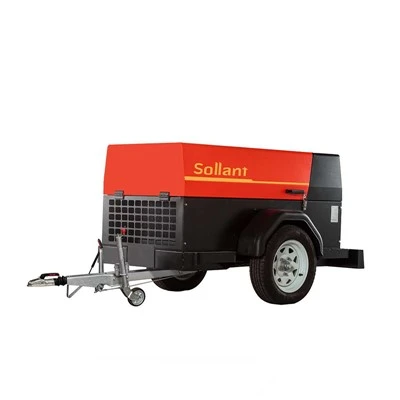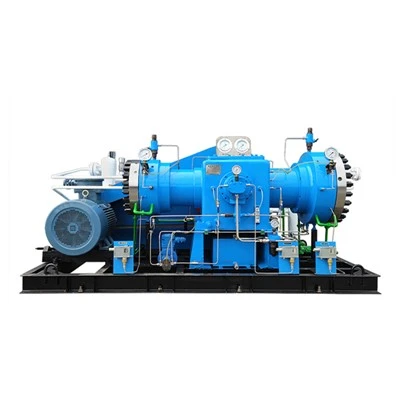
As a supplier of Stationary Diesel Air Compressors, I understand the critical role that pistons play in the efficient operation of these machines. The pistons are at the heart of the compressor, responsible for compressing air and ensuring that the system functions smoothly. Regularly checking the condition of the pistons is essential to maintain the performance and longevity of your stationary diesel air compressor. In this blog post, I'll guide you through the process of checking the condition of the pistons in a stationary diesel air compressor.
Understanding the Importance of Piston Inspection
Before we dive into the inspection process, it's important to understand why checking the pistons is so crucial. Pistons are subjected to high pressures, temperatures, and mechanical stresses during operation. Over time, this can lead to wear and tear, which can affect the compressor's performance. Signs of piston damage can include reduced air pressure, increased fuel consumption, and abnormal noises. By regularly inspecting the pistons, you can identify potential issues early and take corrective action before they lead to more serious problems.
Pre - inspection Preparations
Before you start inspecting the pistons, you need to take some safety precautions. First, make sure the compressor is turned off and has cooled down completely. Disconnect the power source and relieve any pressure in the system. You'll also need to gather the necessary tools, such as a socket set, a torque wrench, a micrometer, and a bore gauge.
Step 1: Remove the Cylinder Head
The first step in checking the pistons is to remove the cylinder head. Locate the bolts that secure the cylinder head to the engine block and use a socket set to loosen and remove them. Be careful not to damage the gaskets or the cylinder head itself. Once the bolts are removed, gently lift the cylinder head off the engine block. You may need to use a pry bar to break the seal, but be very cautious not to cause any scratches or dents.
Step 2: Inspect the Piston Rings
With the cylinder head removed, you can now access the pistons and their rings. The piston rings are responsible for sealing the combustion chamber and preventing air and oil leakage. Start by visually inspecting the piston rings for signs of wear, such as cracks, breaks, or excessive carbon buildup. You can also check the ring end gap using a feeler gauge. The end gap should be within the manufacturer's specified range. If the gap is too large, the rings may not seal properly, leading to reduced compression.


Step 3: Check the Piston Skirt
The piston skirt is the part of the piston that slides against the cylinder wall. Inspect the piston skirt for signs of scoring, scratches, or wear. A smooth and even surface is ideal. Any irregularities can indicate problems with the lubrication system or excessive piston movement. You can use a micrometer to measure the diameter of the piston at different points along the skirt. Compare the measurements to the manufacturer's specifications to determine if the piston is within the acceptable tolerance.
Step 4: Examine the Piston Pin
The piston pin connects the piston to the connecting rod. Check the piston pin for play or looseness. You can do this by gently wiggling the piston while holding the connecting rod. If there is excessive play, it could indicate a worn or damaged piston pin. Also, inspect the pin for any signs of scoring or corrosion.
Step 5: Measure the Cylinder Bore
Using a bore gauge, measure the diameter of the cylinder bore at several points along its length. This will help you determine if the cylinder has worn unevenly. Compare the measurements to the manufacturer's specifications. If the bore diameter is outside the acceptable range, it may be necessary to re - bore the cylinder or replace the pistons.
Step 6: Reassemble the Compressor
Once you have completed the inspection and any necessary repairs or replacements, it's time to reassemble the compressor. Clean all the components thoroughly before reinstalling them. Apply a thin layer of lubricant to the piston rings and the cylinder walls. Carefully place the pistons back into the cylinders and install the cylinder head. Use a torque wrench to tighten the cylinder head bolts to the manufacturer's specified torque settings.
The Role of Pistons in Different Types of Air Compressors
It's worth noting that while the process of checking pistons in a stationary diesel air compressor has been the focus here, similar principles apply to other types of air compressors. For instance, in a Portable Diesel Air Compressor, the pistons also play a vital role. However, due to its portable nature, it may be subject to different operating conditions, such as more frequent movement and potentially harsher environments.
On the other hand, Portable Electric Air Compressors have pistons that operate under different power sources. Although the basic inspection steps remain similar, the electrical components and the overall design of these compressors may influence the performance and condition of the pistons.
Conclusion
Regularly checking the condition of the pistons in your stationary diesel air compressor is a simple yet effective way to ensure its reliable operation. By following the steps outlined in this blog post, you can identify and address potential issues before they cause significant damage. If you have any questions or need further assistance with your air compressor, whether it's a Stationary Diesel Air Compressor, a portable diesel one, or a portable electric model, don't hesitate to reach out. We're here to help you make the most of your air compressor investment and ensure that it operates at its best for years to come. If you're considering purchasing a new air compressor or need replacement parts, we'd be glad to discuss your requirements and find the best solution for you. Contact us to start a procurement discussion and get the most suitable air compressor for your needs.
References
- Compressor Manufacturer's Manuals
- Industry Standards for Air Compressor Maintenance