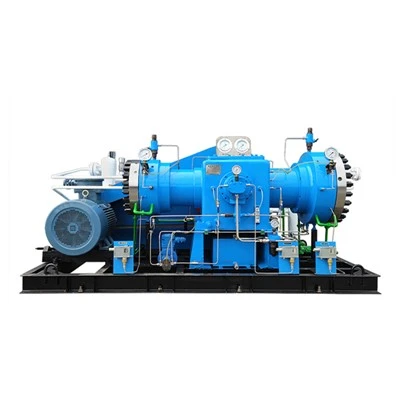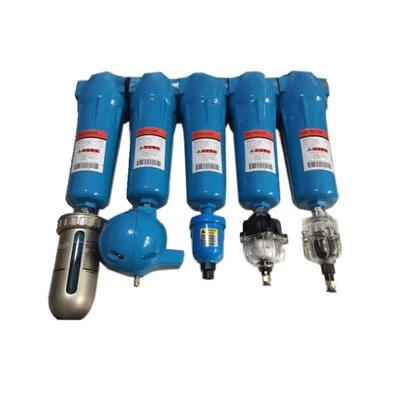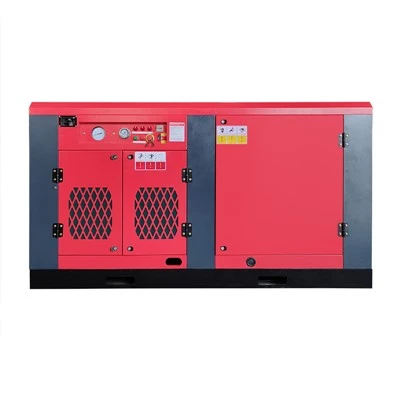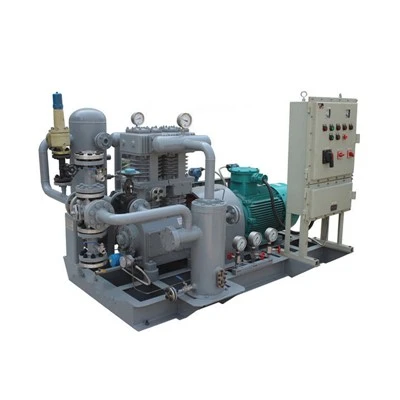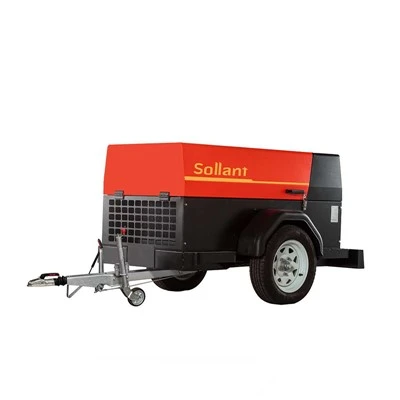
Hey there! As a supplier of high pressure reciprocating compressors, I often get asked about the start-up and shutdown procedures of these machines. In this blog post, I'm gonna share all the details you need to know to operate high pressure reciprocating compressors safely and efficiently.
Start-up Procedures
Pre-start Inspection
Before you even think about starting the compressor, you gotta do a thorough pre-start inspection. This step is crucial to make sure everything is in good working condition and to prevent any potential issues.
- Visual Inspection: Walk around the compressor and check for any obvious signs of damage, like leaks, loose connections, or worn-out parts. Look at the belts, hoses, and pipes to make sure they're all intact.
- Lubrication Check: High pressure reciprocating compressors need proper lubrication to function smoothly. Check the oil level in the crankcase and make sure it's within the recommended range. If the oil level is low, add the appropriate type of oil as specified in the user manual.
- Cooling System: Check the cooling system, whether it's air-cooled or water-cooled. Make sure the cooling fins are clean and not blocked, and if it's water-cooled, check the water flow and temperature.
- Electrical Connections: Inspect all the electrical connections to ensure they're tight and there are no signs of corrosion or damage. Check the power supply to make sure it's stable and within the rated voltage of the compressor.
Initial Set-up
Once you've completed the pre-start inspection, it's time to do some initial set-up.
- Valve Positions: Check the positions of all the valves. The suction and discharge valves should be in the correct positions according to the operating requirements. Make sure the bypass valve is open to allow the compressor to start under a no-load condition.
- Control Panel: Familiarize yourself with the control panel of the compressor. Set the operating parameters such as pressure, temperature, and speed according to the requirements of your application.
Starting the Compressor
Now that everything is set up, you can start the compressor.
-
Start the Motor: Turn on the power switch to start the motor. Listen for any abnormal noises during the start-up process. The compressor should start smoothly without any jerks or vibrations.
-
Monitor the Start-up: Keep an eye on the control panel and monitor the pressure, temperature, and other parameters. As the compressor starts to build up pressure, gradually close the bypass valve to bring the compressor to the normal operating load.
-
Check for Leaks: Once the compressor is running, check for any leaks around the valves, connections, and seals. If you notice any leaks, shut down the compressor immediately and fix the issue.
Shutdown Procedures
Normal Shutdown
When you're done using the compressor, you need to follow the proper shutdown procedures.

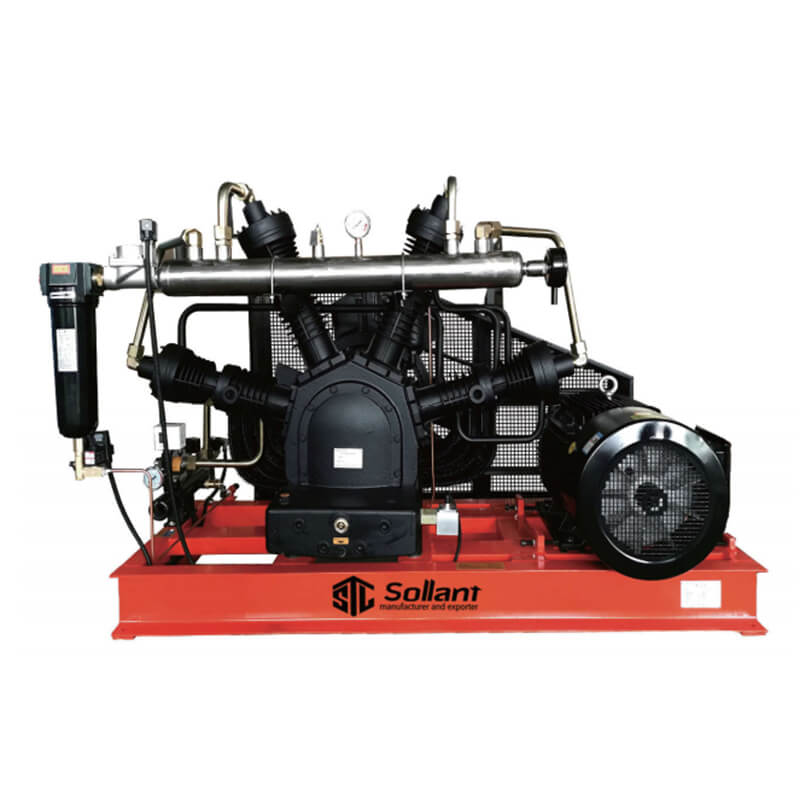
- Reduce the Load: Before shutting down the compressor, gradually reduce the load by opening the bypass valve. This helps to prevent any sudden pressure changes that could damage the compressor.
- Stop the Motor: Once the load is reduced, turn off the motor using the control panel. The compressor will gradually come to a stop.
- Drain the System: After the compressor has stopped, drain the remaining air and condensate from the system. This helps to prevent corrosion and damage to the compressor components.
Emergency Shutdown
In case of an emergency, such as a sudden increase in temperature or pressure, or abnormal noises, you need to shut down the compressor immediately.
- Press the Emergency Stop Button: Most high pressure reciprocating compressors are equipped with an emergency stop button. Press this button to stop the motor instantly.
- Isolate the Power Supply: After pressing the emergency stop button, isolate the power supply to the compressor to prevent any accidental restart.
Importance of Following Procedures
Following the proper start-up and shutdown procedures is essential for the safe and efficient operation of high pressure reciprocating compressors. Incorrect procedures can lead to premature wear and tear of the compressor components, reduced efficiency, and even safety hazards.
Our High Pressure Reciprocating Compressors
At our company, we offer a wide range of high pressure reciprocating compressors to meet the diverse needs of our customers. For example, we have the 30KW High Pressure Booster Air Compressor, which is suitable for applications that require high pressure and high flow rate. Our 11KW High Pressure Booster Compressor is a great choice for smaller-scale operations, and the 15KW High Pressure Booster Air Compressor offers a good balance between power and efficiency.
If you're in the market for a high pressure reciprocating compressor, or if you have any questions about the start-up and shutdown procedures, feel free to reach out to us. We're here to help you choose the right compressor for your needs and provide you with all the support you need.
Conclusion
In conclusion, understanding the start-up and shutdown procedures of high pressure reciprocating compressors is crucial for their safe and efficient operation. By following the steps outlined in this blog post, you can ensure that your compressor lasts longer and performs at its best. If you have any further questions or need more information, don't hesitate to contact us. We're always happy to assist you with your compressor needs.
References
- Manufacturer's User Manuals for High Pressure Reciprocating Compressors
- Industry Standards and Guidelines for Compressor Operation