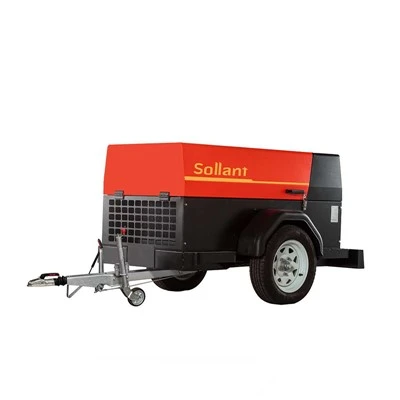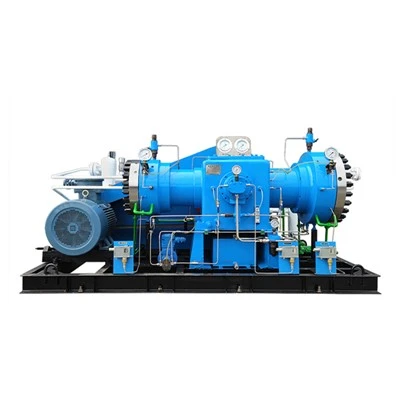
Calibrating the pressure gauge of a stationary diesel air compressor is a crucial maintenance task that ensures the accurate measurement of air pressure within the system. As a supplier of Stationary Diesel Air Compressor, I understand the significance of this process in maintaining the efficiency and safety of the compressor. In this blog post, I will guide you through the steps of calibrating the pressure gauge of a stationary diesel air compressor.
Understanding the Importance of Pressure Gauge Calibration
The pressure gauge on a diesel air compressor is a vital component that provides real - time information about the air pressure inside the compressor tank. An inaccurate pressure gauge can lead to several problems. For instance, if the gauge reads higher than the actual pressure, the compressor may shut down prematurely, reducing its efficiency. On the other hand, if it reads lower than the actual pressure, the compressor may operate at dangerously high pressures, which can cause mechanical failures, leaks, or even explosions. Therefore, regular calibration of the pressure gauge is essential to ensure the safe and efficient operation of the compressor.
Tools Required for Calibration
Before you start the calibration process, you need to gather the necessary tools. These include:
- A calibrated reference pressure gauge: This is used to compare the readings of the compressor's pressure gauge. Make sure the reference gauge has a similar pressure range and accuracy level as the gauge you are calibrating.
- Wrenches: You will need wrenches to remove and install the pressure gauge. The size of the wrenches depends on the fittings of the pressure gauge.
- Sealant: A suitable sealant is required to prevent air leaks when reinstalling the pressure gauge.
Pre - calibration Checks
Before proceeding with the calibration, perform the following pre - calibration checks:
- Inspect the Compressor: Check the compressor for any visible signs of damage, such as leaks, cracks, or loose fittings. Ensure that the compressor is turned off and has been depressurized before starting the calibration process.
- Examine the Pressure Gauge: Inspect the pressure gauge for any physical damage, such as a cracked glass or a bent needle. If the gauge is damaged, it may need to be replaced instead of calibrated.
Step - by - Step Calibration Process
- Remove the Pressure Gauge: Use the appropriate wrenches to carefully remove the pressure gauge from the compressor. Make sure to place a container underneath to catch any oil or air that may escape.
- Install the Reference Gauge: Connect the calibrated reference pressure gauge to the compressor in place of the gauge you just removed. Use the sealant on the fittings to prevent air leaks.
- Start the Compressor: Turn on the stationary diesel air compressor and allow it to build up pressure. Observe the readings on both the reference gauge and the gauge you are calibrating.
- Compare the Readings: As the pressure builds up, compare the readings of the two gauges at different pressure levels. If the readings of the gauge you are calibrating deviate from the reference gauge, it needs to be adjusted.
- Adjust the Gauge: Most pressure gauges have an adjustment screw or mechanism. Use a small screwdriver or the appropriate tool to make the necessary adjustments. Turn the screw clockwise to increase the reading and counter - clockwise to decrease it. Make small adjustments and re - check the readings at different pressure levels until the readings of the two gauges match within an acceptable tolerance.
- Re - install the Pressure Gauge: Once the calibration is complete, turn off the compressor and allow it to depressurize. Remove the reference gauge and reinstall the pressure gauge you originally removed. Use the sealant on the fittings to ensure a proper seal.
Post - calibration Checks
After re - installing the pressure gauge, perform the following post - calibration checks:
- Check for Leaks: Turn on the compressor and check for any air leaks around the pressure gauge fittings. If you detect a leak, tighten the fittings or apply more sealant.
- Verify the Readings: Confirm that the pressure gauge is providing accurate readings by comparing it with the reference gauge or by using another reliable method.
Frequency of Calibration
The frequency of pressure gauge calibration depends on several factors, such as the operating conditions of the compressor, the manufacturer's recommendations, and industry standards. In general, it is recommended to calibrate the pressure gauge at least once a year or more frequently if the compressor is used in harsh or demanding environments.
Benefits of Proper Calibration
Proper calibration of the pressure gauge offers several benefits:
- Enhanced Safety: An accurately calibrated pressure gauge ensures that the compressor operates within safe pressure limits, reducing the risk of accidents and equipment damage.
- Improved Efficiency: By providing accurate pressure readings, the compressor can operate at optimal efficiency, saving energy and reducing operating costs.
- Extended Equipment Lifespan: When the compressor operates at the correct pressure, it experiences less wear and tear, which can extend its lifespan.
Conclusion
Calibrating the pressure gauge of a stationary diesel air compressor is a relatively simple yet crucial maintenance task. By following the steps outlined in this blog post, you can ensure that your compressor's pressure gauge provides accurate readings, leading to safe and efficient operation. As a supplier of Diesel Air Compressor, we are committed to providing high - quality products and reliable support. If you have any questions about pressure gauge calibration or need assistance with your stationary diesel air compressor, feel free to contact us for further guidance. We also offer a range of Portable Diesel Air Compressor for those with different needs. Whether you are looking to purchase a new compressor or need help with maintenance, we are here to assist you. Reach out to us to start a discussion about your requirements and explore the best solutions for your business.


References
- Compressor Manufacturer's Manuals
- Industry Standards for Pressure Gauge Calibration
- Technical Literature on Diesel Air Compressors