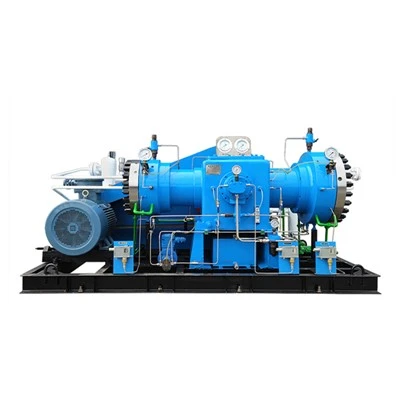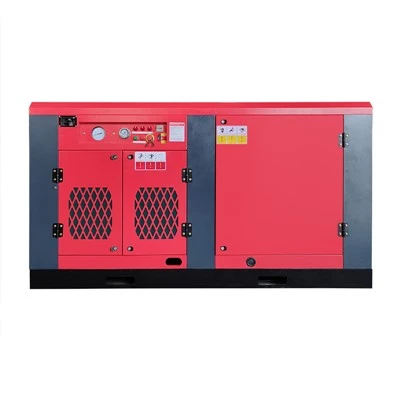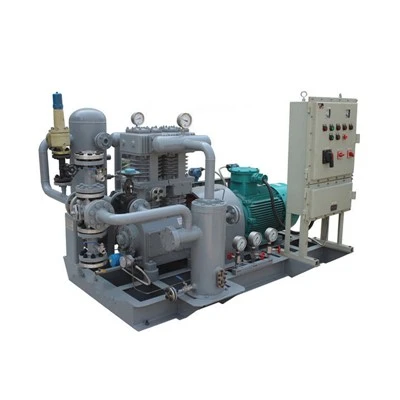
As a supplier of Stationary Diesel Air Compressors, I understand the importance of proper maintenance to ensure the efficient and reliable operation of these machines. One crucial aspect of maintenance is checking the belt tension in the compressor. In this blog post, I'll share with you how to check the belt tension in a stationary diesel air compressor, ensuring that your equipment runs smoothly and has a longer lifespan.
Why Belt Tension Matters
Before we dive into the process of checking belt tension, let's understand why it's so important. The belts in a stationary diesel air compressor play a vital role in transferring power from the engine to the compressor pump. If the belt is too loose, it can slip, leading to reduced power transmission, inefficient operation, and even overheating of the belts. On the other hand, if the belt is too tight, it can put excessive stress on the bearings and other components, leading to premature wear and tear. Maintaining the correct belt tension is essential for optimal performance, energy efficiency, and the overall longevity of the compressor.
Tools You'll Need
To check the belt tension in your stationary diesel air compressor, you'll need the following tools:
- A belt tension gauge: This tool is used to measure the tension of the belt accurately.
- A wrench or socket set: You'll need these tools to adjust the belt tension if necessary.
- Safety glasses and gloves: Always wear appropriate safety gear when working on your compressor.
Step-by-Step Guide to Checking Belt Tension
Step 1: Safety First
Before you start working on your compressor, make sure it's turned off and disconnected from the power source. This will prevent any accidental startup and ensure your safety. Also, allow the compressor to cool down if it has been running recently, as the belts and other components can get hot during operation.
Step 2: Locate the Belts
Open the access panel of your stationary diesel air compressor to locate the belts. In most compressors, you'll find one or more belts connecting the engine pulley to the compressor pump pulley. Take a moment to inspect the belts for any signs of wear, such as cracks, fraying, or glazing. If you notice any significant damage, it's recommended to replace the belts before proceeding with the tension check.
Step 3: Measure the Belt Tension
Using a belt tension gauge, measure the tension of the belts. Place the gauge on the belt at a point midway between the two pulleys. Apply a small amount of pressure to the gauge to deflect the belt slightly. The gauge will display the tension reading in pounds or newtons. Compare the reading with the manufacturer's recommended tension specifications for your compressor. You can usually find these specifications in the compressor's user manual or on the manufacturer's website.
Step 4: Adjust the Belt Tension
If the belt tension is too loose or too tight, you'll need to adjust it. To do this, use a wrench or socket set to loosen the bolts that hold the compressor pump or the engine in place. Depending on the design of your compressor, you may need to move the pump or the engine slightly to adjust the belt tension. Once you've made the necessary adjustments, tighten the bolts securely.

Step 5: Recheck the Belt Tension
After adjusting the belt tension, recheck it using the belt tension gauge to ensure it's within the recommended range. If the tension is still not correct, repeat the adjustment process until you achieve the proper tension.
Step 6: Close the Access Panel
Once you're satisfied with the belt tension, close the access panel of your compressor. Make sure it's securely fastened to prevent any dust or debris from entering the compressor.
Tips for Maintaining Proper Belt Tension
- Regular Inspections: Check the belt tension regularly as part of your routine maintenance schedule. This will help you catch any issues early and prevent costly repairs.
- Follow the Manufacturer's Recommendations: Always follow the manufacturer's recommended tension specifications and maintenance procedures for your compressor. This will ensure optimal performance and reliability.
- Use Quality Belts: Invest in high-quality belts that are designed for your compressor. Quality belts are less likely to wear out quickly and will provide better performance.
- Keep the Belts Clean: Keep the belts clean and free of dirt, oil, and debris. This will help prevent slippage and ensure proper power transmission.
Conclusion
Checking the belt tension in a stationary diesel air compressor is a simple but crucial maintenance task that can significantly impact the performance and longevity of your equipment. By following the steps outlined in this blog post and maintaining proper belt tension, you can ensure that your compressor runs smoothly and efficiently.
If you're in the market for a Diesel Air Compressor or a Portable Diesel Air Compressor, or even a Stationary Electric Air Compressor, we're here to help. Our team of experts can provide you with the right compressor for your needs and offer professional advice on maintenance and operation. Contact us today to start the procurement discussion and take your business to the next level.
References
- Manufacturer's user manual for stationary diesel air compressors.
- Industry standards and best practices for belt tension measurement and adjustment.