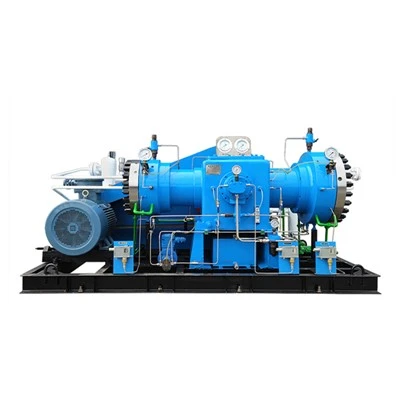
Hey there! As a supplier of high pressure reciprocating compressors, I've seen firsthand how crucial it is to understand every little factor that affects their operation. One of the most important things that can make or break the performance of these machines is the suction pressure. So, let's dive into how suction pressure impacts the operation of high pressure reciprocating compressors.
What is Suction Pressure?
Before we get into the nitty - gritty of how it affects the compressor, let's quickly define suction pressure. Suction pressure is the pressure at which the gas enters the compressor. It's like the starting point for all the action that happens inside the compressor.
Effects on Compressor Capacity
The suction pressure has a direct impact on the capacity of the high pressure reciprocating compressor. You see, when the suction pressure is high, more gas can enter the compressor during each intake stroke. Think of it like filling a bucket. If you turn on the tap full - blast (high suction pressure), the bucket fills up faster. In the case of a compressor, a higher suction pressure means more gas is being compressed and delivered per unit of time, increasing the compressor's capacity.
On the flip side, when the suction pressure is low, less gas enters the compressor during the intake stroke. It's like having a slow - dripping tap trying to fill that bucket. The compressor has to work harder to move the same amount of gas, and its capacity drops significantly. For example, if you're using a 75 - 110KW Oil - Free Booster Compressor and the suction pressure is too low, it won't be able to deliver the high volume of compressed gas that it's designed for.
Impact on Compression Ratio
The compression ratio is another key aspect affected by suction pressure. The compression ratio is the ratio of the discharge pressure to the suction pressure. When the suction pressure is low, the compression ratio goes up. This is because the denominator in the ratio (suction pressure) is smaller.
A high compression ratio can put a lot of stress on the compressor components. The pistons, valves, and cylinders have to work harder to compress the gas from a low initial pressure to the desired high discharge pressure. This can lead to increased wear and tear on these parts, reducing their lifespan. For instance, in a 15KW High Pressure Booster Air Compressor, a high compression ratio due to low suction pressure can cause the valves to fail more quickly, leading to costly repairs.
Conversely, when the suction pressure is high, the compression ratio is lower. This means the compressor doesn't have to work as hard to achieve the same discharge pressure. The components experience less stress, which can extend their service life and reduce maintenance costs.
Energy Consumption
Suction pressure also plays a big role in the energy consumption of high pressure reciprocating compressors. When the suction pressure is low, as we've discussed, the compressor has to work harder to move the gas. This increased workload translates into higher energy consumption. The motor has to draw more power to drive the pistons and compress the gas.
On the other hand, a higher suction pressure allows the compressor to operate more efficiently. Since it can take in more gas with less effort, the energy required to compress the gas is reduced. This is a win - win situation. You get more compressed gas output with less energy input, which means lower operating costs in the long run. If you're using a 11KW High Pressure Booster Compressor, maintaining an optimal suction pressure can save you a significant amount on your energy bills.


Impact on Gas Temperature
The temperature of the gas being compressed is also affected by the suction pressure. When the suction pressure is low, the gas expands more during the intake stroke. As the gas expands, its temperature drops. Then, during the compression process, the gas has to be heated up to a higher temperature to reach the discharge pressure. This can lead to large temperature differences within the compressor, which can cause thermal stress on the components.
A high suction pressure, however, reduces the amount of expansion during the intake stroke. The gas enters the compressor at a more stable temperature, and the temperature rise during compression is more manageable. This helps to keep the components within a safe temperature range, preventing thermal damage and ensuring smooth operation of the compressor.
Maintaining Optimal Suction Pressure
So, how can you maintain the optimal suction pressure for your high pressure reciprocating compressor? First, make sure that the gas source and the piping system are in good condition. Any blockages or restrictions in the intake piping can cause a drop in suction pressure. Regularly inspect and clean the intake filters to ensure unrestricted gas flow.
You can also use pressure regulators to control the suction pressure. These devices can adjust the pressure of the gas entering the compressor to keep it within the optimal range. Monitoring the suction pressure regularly using pressure gauges is also essential. This will allow you to detect any changes early on and take corrective action before it causes serious problems.
Conclusion
In conclusion, the suction pressure is a critical factor that affects almost every aspect of the operation of high pressure reciprocating compressors. From capacity and compression ratio to energy consumption and gas temperature, it has a far - reaching impact. As a supplier, we understand the importance of getting this right. Our high - quality compressors are designed to perform optimally within a certain suction pressure range, and we're always here to help you ensure that your compressor is operating at its best.
If you're in the market for a high pressure reciprocating compressor or need advice on maintaining the suction pressure of your existing compressor, don't hesitate to reach out. We're more than happy to have a chat and discuss how we can meet your specific needs. Let's work together to get the most out of your compressor!
References
- Compressor Handbook: A Practical Guide to Compressor Technology and Applications
- Industrial Compression Systems: Principles and Practices