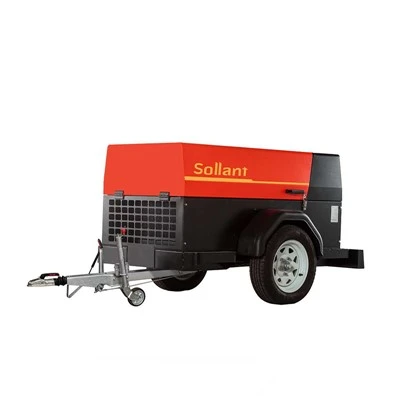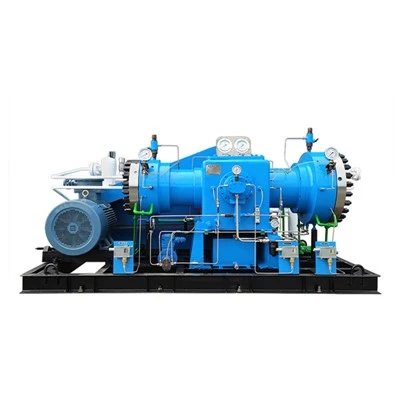
The compression ratio is a fundamental parameter in the operation of a biogas compressor, exerting a profound influence on its performance. As a leading Biogas Compressor supplier, we have in - depth knowledge of how this ratio shapes the efficiency, reliability, and overall functionality of our products.
Understanding the Compression Ratio
The compression ratio in a biogas compressor is defined as the ratio of the absolute discharge pressure to the absolute suction pressure. Mathematically, it is expressed as (r=\frac{P_d}{P_s}), where (r) is the compression ratio, (P_d) is the discharge pressure, and (P_s) is the suction pressure.
For example, if the suction pressure of a biogas compressor is 1 bar absolute and the discharge pressure is 10 bar absolute, the compression ratio is 10. This ratio is a key determinant of how much the biogas will be compressed from its initial state to its final state.
Impact on Efficiency
One of the most significant ways the compression ratio affects the performance of a biogas compressor is through its impact on efficiency. Generally, as the compression ratio increases, the theoretical work required for compression also increases. According to the ideal gas law and thermodynamics principles, the work done in compressing a gas is related to the change in pressure and volume.
In a real - world biogas compressor, a higher compression ratio often leads to increased internal friction and heat generation. This heat can cause the gas to expand, reducing the volumetric efficiency of the compressor. Volumetric efficiency is the ratio of the actual volume of gas compressed to the displacement volume of the compressor. When the compression ratio is too high, the volumetric efficiency may drop significantly, meaning that the compressor is not able to compress as much gas as it is designed to for a given cycle.


On the other hand, a very low compression ratio may not achieve the desired pressure for the end - use of the biogas. For instance, if the biogas is to be used in a vehicle or injected into a pipeline, a certain minimum pressure is required. A compressor with a low compression ratio may need to operate for a longer time or in multiple stages to reach the required pressure, which can also reduce overall efficiency.
Effect on Reliability
The compression ratio also has a direct impact on the reliability of a biogas compressor. High compression ratios result in higher stresses on the compressor components. The pistons, valves, and seals in a reciprocating biogas compressor, for example, are subjected to greater forces as the compression ratio increases. This can lead to accelerated wear and tear of these components, increasing the likelihood of mechanical failures.
In addition, the high temperatures generated during high - compression ratio operations can cause thermal degradation of lubricants. Lubricants are essential for reducing friction and wear in the compressor. When they break down due to high temperatures, the compressor's moving parts are more likely to experience increased friction, which can further damage the components and reduce the compressor's lifespan.
Influence on Gas Quality
Biogas contains various components such as methane, carbon dioxide, and trace amounts of other gases and impurities. The compression ratio can affect the separation and behavior of these components. At high compression ratios, the solubility of carbon dioxide in the biogas may change, leading to potential phase separation. This can cause issues such as the formation of dry ice in the compressor if the temperature drops below the sublimation point of carbon dioxide.
Moreover, high - compression ratio operations can also cause the condensation of water vapor present in the biogas. Water in the compressor can lead to corrosion of internal components and can also affect the performance of the compressor by interfering with the lubrication process.
Multi - stage Compression as a Solution
To mitigate the negative effects of high compression ratios, multi - stage compression is often employed in biogas compressors. In a multi - stage compressor, the compression process is divided into several stages, with intercoolers placed between each stage. The intercoolers cool the gas between stages, reducing the temperature and the work required for the next stage of compression.
By using multi - stage compression, the overall compression ratio can be achieved in smaller, more manageable steps. This helps to maintain a reasonable temperature throughout the compression process, improving the volumetric efficiency and reducing the stress on the compressor components. For example, instead of achieving a compression ratio of 20 in a single stage, a two - stage compressor can achieve a compression ratio of 5 in the first stage and 4 in the second stage.
Comparison with Other Compressors
When comparing biogas compressors with Natural Gas Compressor, the compression ratio requirements can be different. Natural gas typically has a more consistent composition compared to biogas, which can have variable amounts of carbon dioxide and other impurities. This means that biogas compressors may need to be more flexible in terms of compression ratios to handle the different gas qualities.
Gas Compressor technology also varies in its response to compression ratios. Diaphragm compressors, for example, are known for their ability to handle high - pressure applications. However, the compression ratio still needs to be carefully considered to ensure optimal performance and reliability.
Conclusion and Call to Action
In conclusion, the compression ratio is a critical factor that significantly affects the performance of a biogas compressor. As a Biogas Compressor supplier, we understand the complex relationship between the compression ratio and various performance aspects such as efficiency, reliability, and gas quality.
We have developed a range of biogas compressors that are designed to optimize the compression ratio for different applications. Whether you need a compressor for small - scale biogas plants or large - scale industrial use, our products are engineered to provide reliable and efficient performance.
If you are in the market for a biogas compressor and want to learn more about how the compression ratio can be tailored to your specific needs, we invite you to contact us for a detailed consultation. Our team of experts is ready to assist you in selecting the right compressor and ensuring that it meets your biogas compression requirements.
References
- Stoecker, W. F. (1989). Refrigeration and Air Conditioning. McGraw - Hill.
- ASME Boiler and Pressure Vessel Code. (2019). American Society of Mechanical Engineers.
- Green, D. W., & Perry, R. H. (2007). Perry's Chemical Engineers' Handbook. McGraw - Hill.