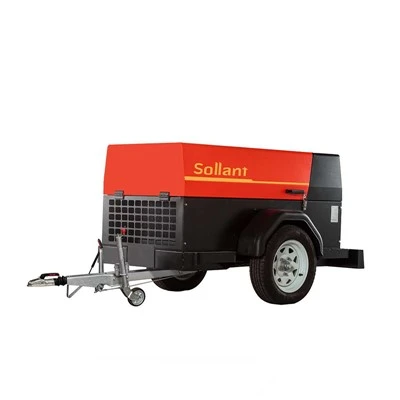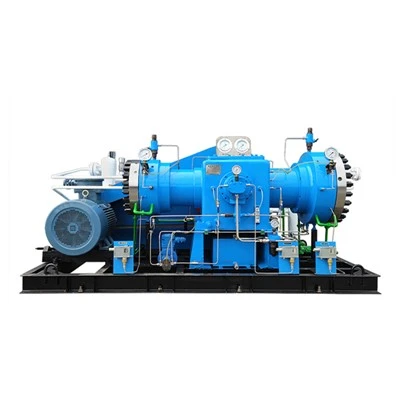
Hey there! As a supplier of Air Compressor Air Tanks, I've seen my fair share of issues with air pressure fluctuations. It can be a real headache for anyone relying on a consistent air supply, whether it's for industrial use, automotive work, or just some DIY projects at home. In this blog, I'll walk you through how to troubleshoot these air pressure fluctuations step by step.
Understanding the Basics
First things first, let's talk about why air pressure fluctuations happen. An air compressor air tank is designed to store compressed air. The compressor pumps air into the tank until it reaches a set pressure, and then it shuts off. When you use the compressed air, the pressure in the tank drops. If the pressure isn't stable, it could be due to a bunch of different reasons.
Check the Compressor's Pressure Switch
The pressure switch is like the traffic cop of your air compressor system. It tells the compressor when to start and stop. If it's malfunctioning, you'll definitely notice pressure fluctuations.
- Inspect for Damage: Take a look at the pressure switch. See if there are any visible signs of wear and tear, like frayed wires or corroded contacts. If you spot any damage, it's time to replace the switch.
- Adjust the Cut-In and Cut-Out Pressures: Most pressure switches allow you to adjust the cut-in (the pressure at which the compressor starts) and cut-out (the pressure at which the compressor stops) pressures. Make sure these settings are appropriate for your needs. If they're too low or too high, it can cause pressure instability.
Examine the Air Intake
The air intake is where the compressor sucks in air. If it's blocked or restricted, the compressor won't be able to draw in enough air, leading to pressure fluctuations.
- Clean the Air Filter: The air filter is there to keep dirt and debris out of the compressor. Over time, it can get clogged. Remove the air filter and clean it according to the manufacturer's instructions. If it's too dirty or damaged, replace it.
- Check for Obstructions: Look around the air intake for any objects that might be blocking the airflow. It could be a pile of dust, a piece of equipment, or even a plastic bag. Clear away any obstructions to ensure proper air intake.
Look at the Safety Valve
The safety valve is an important safety feature that releases excess pressure from the air tank. If it's leaking or not functioning correctly, it can cause pressure fluctuations.
- Inspect for Leaks: Check the safety valve for any signs of air leakage. You might hear a hissing sound or see air escaping. If there's a leak, the valve may need to be replaced.
- Test the Valve: You can test the safety valve by slowly increasing the pressure in the tank. The valve should open and release air when the pressure reaches the set limit. If it doesn't, it's a sign that the valve is faulty.
Evaluate the Air Dryer
An air dryer helps remove moisture from the compressed air. If it's not working properly, moisture can build up in the air tank, causing pressure problems.
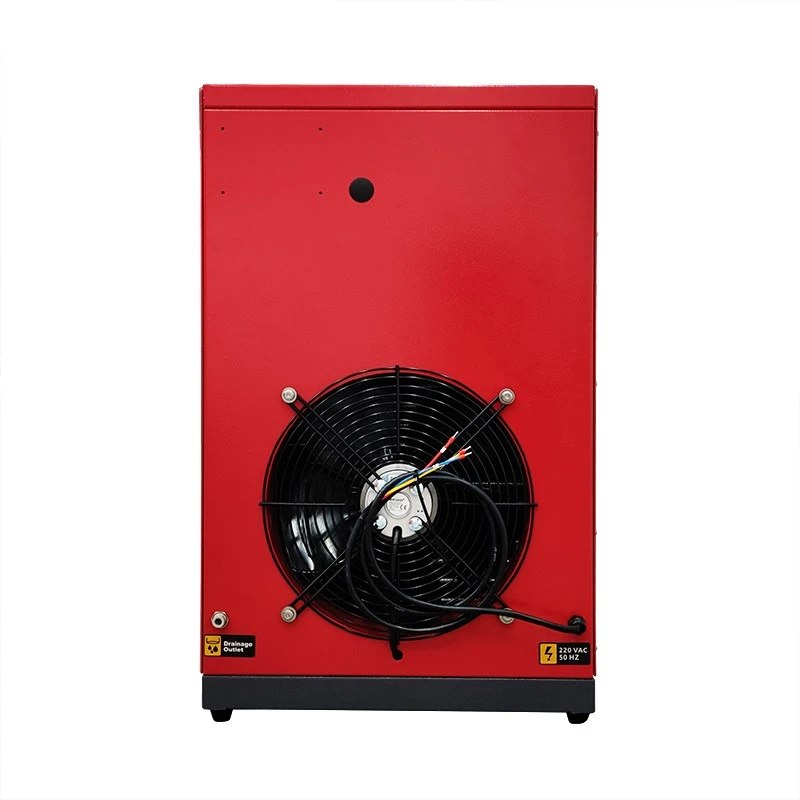
- Refrigerated Air Dryer: A Refrigerated Air Dryer Manufacturer can provide high - quality dryers. Check the refrigerant levels and the cooling system of the refrigerated air dryer. If the refrigerant is low or the cooling system is malfunctioning, the dryer won't be able to remove moisture effectively.
- Adsorption Air Dryer: For more advanced moisture removal, an Adsorption Air Dryer might be used. Check the desiccant material in the dryer. If it's saturated or damaged, it needs to be replaced.
Analyze the Piping and Connections
The pipes and connections in your air compressor system can also be a source of pressure fluctuations.

- Check for Leaks: Inspect all the pipes and connections for air leaks. You can use a soapy water solution to detect leaks. Apply the solution to the joints and look for bubbles. If you find a leak, tighten the connection or replace the damaged part.
- Ensure Proper Sizing: Make sure the pipes are the right size for your air compressor system. If the pipes are too small, they can restrict the airflow, causing pressure drops.
Consider the Compressor Pump
The compressor pump is the heart of the air compressor. If it's not working properly, it can lead to pressure issues.
- Check the Pump Oil: If your compressor has an oil - lubricated pump, check the oil level and quality. Low oil levels or dirty oil can cause the pump to overheat and malfunction. Change the oil if necessary.
- Inspect the Pistons and Valves: The pistons and valves in the pump can wear out over time. Look for signs of damage or excessive wear, such as low compression or abnormal noises. If you suspect a problem with the pistons or valves, it may be necessary to have the pump rebuilt or replaced.
Monitor the Usage
Sometimes, the way you use the air compressor can cause pressure fluctuations.
- Avoid Overloading: Don't use more compressed air than your compressor can handle. If you're running too many tools or equipment at once, the compressor may not be able to keep up with the demand, leading to pressure drops.
- Let the Compressor Rest: Give your compressor some time to rest between uses. Continuous operation without breaks can cause the compressor to overheat and affect the pressure stability.
Conclusion
Troubleshooting air pressure fluctuations in an air compressor air tank can be a bit of a detective work, but by following these steps, you should be able to identify and fix the problem. Remember, if you're ever in doubt or if the problem persists, it's always a good idea to consult a professional.
If you're in the market for a new air compressor air tank or need any Compressed Air Treatment solutions, don't hesitate to reach out. We're here to help you find the right products for your needs and ensure a stable and reliable air supply. Let's have a chat about your requirements and see how we can work together!
References
- Compressor Handbook, Various Editions
- Manufacturer's Manuals for Air Compressors and Related Equipment