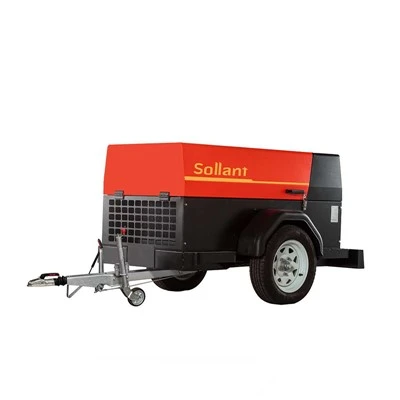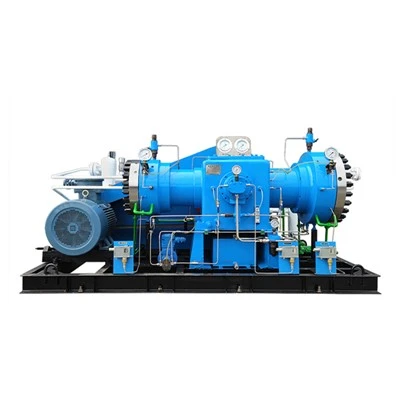
As a supplier of stationary diesel air compressors, I often encounter inquiries from customers in various industries, including the marine sector. The question of whether a stationary diesel air compressor can be used in a marine environment is a crucial one that requires a comprehensive analysis. In this blog post, I will delve into the technical aspects, advantages, challenges, and considerations associated with using stationary diesel air compressors in marine settings.


Technical Overview of Stationary Diesel Air Compressors
Stationary diesel air compressors are designed to convert diesel fuel's energy into compressed air. They typically consist of a diesel engine, an air compressor pump, a control system, and various auxiliary components. The diesel engine provides the power needed to drive the compressor pump, which compresses the air to the desired pressure. These compressors are known for their high power output, reliability, and ability to operate in remote locations where electricity may not be readily available.
Advantages of Using Stationary Diesel Air Compressors in a Marine Environment
- Power Independence: One of the primary advantages of stationary diesel air compressors in a marine environment is their power independence. Unlike electric air compressors, which rely on a stable power supply, diesel compressors can operate autonomously, making them ideal for vessels that may be far from shore or have limited electrical capacity. This feature ensures continuous operation even in the event of a power outage or electrical system failure.
- High Power Output: Diesel engines are known for their high torque and power output, which allows stationary diesel air compressors to deliver large volumes of compressed air at high pressures. This is particularly beneficial in marine applications where compressed air is used for various purposes, such as starting engines, operating pneumatic tools, and inflating life rafts.
- Durability and Reliability: Marine environments are harsh and demanding, with exposure to saltwater, humidity, and extreme temperatures. Stationary diesel air compressors are built to withstand these conditions, thanks to their robust construction and corrosion-resistant materials. They are designed to operate reliably for extended periods, reducing the risk of breakdowns and downtime.
- Versatility: Stationary diesel air compressors can be used in a wide range of marine applications, including commercial fishing vessels, offshore oil rigs, naval ships, and luxury yachts. They can provide compressed air for various systems and equipment, such as air brakes, air horns, and pneumatic control systems.
Challenges and Considerations
- Corrosion and Rust: Saltwater is highly corrosive, and exposure to it can cause significant damage to the components of a stationary diesel air compressor. To mitigate this risk, it is essential to use corrosion-resistant materials, such as stainless steel and aluminum, in the construction of the compressor. Additionally, regular maintenance and inspection are required to detect and address any signs of corrosion or rust.
- Noise and Vibration: Diesel engines can generate significant noise and vibration, which can be a nuisance for crew members and passengers on board a vessel. To reduce noise and vibration levels, it is recommended to install the compressor in a well-insulated enclosure or use vibration isolation mounts.
- Fuel Storage and Handling: Diesel fuel is a flammable and hazardous substance, and proper storage and handling are essential to ensure safety on board a vessel. It is important to follow all relevant safety regulations and guidelines when storing and using diesel fuel, including using approved fuel storage containers and ensuring proper ventilation in the fuel storage area.
- Environmental Impact: Diesel engines emit pollutants, such as nitrogen oxides, particulate matter, and carbon monoxide, which can have a negative impact on the environment. To minimize the environmental impact of using a stationary diesel air compressor in a marine environment, it is recommended to use low-sulfur diesel fuel and install emission control devices, such as diesel particulate filters and selective catalytic reduction systems.
Comparison with Other Types of Air Compressors
- Stationary Electric Air Compressor: Stationary electric air compressors are powered by electricity and are typically more energy-efficient and quieter than diesel compressors. However, they require a stable power supply, which may not be available in all marine environments.
- Portable Diesel Air Compressor: Portable diesel air compressors are designed for mobility and can be easily transported to different locations on a vessel. They are suitable for applications where compressed air is needed at multiple points on the ship. However, they generally have a lower power output than stationary diesel compressors.
- Portable Electric Air Compressor: Portable electric air compressors are lightweight and easy to carry, making them ideal for small-scale marine applications. They are also more energy-efficient and quieter than diesel compressors. However, they have a limited power output and require a power source.
Conclusion
In conclusion, stationary diesel air compressors can be used in a marine environment, provided that the appropriate precautions are taken to address the challenges and considerations associated with their use. Their power independence, high power output, durability, and versatility make them a suitable choice for many marine applications. However, it is important to carefully evaluate the specific requirements of each application and consider the environmental impact of using diesel engines.
If you are interested in purchasing a stationary diesel air compressor for your marine application, I encourage you to contact us to discuss your specific needs. Our team of experts can provide you with detailed information about our products and help you select the right compressor for your vessel. We are committed to providing high-quality products and excellent customer service, and we look forward to working with you.
References
- Marine Engineering Handbook, 5th Edition
- International Maritime Organization (IMO) Guidelines for the Use of Compressed Air in Marine Applications
- American Bureau of Shipping (ABS) Rules for Building and Classing Steel Vessels