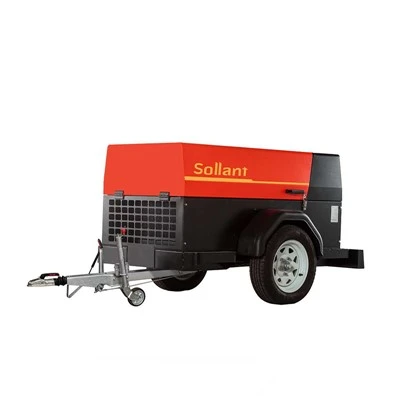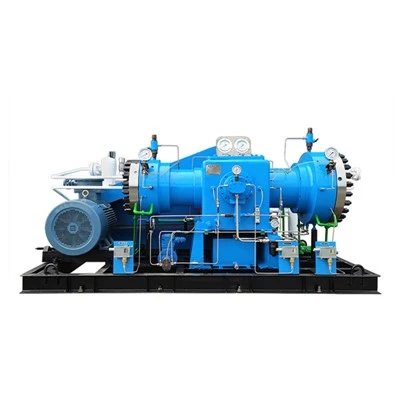
In the world of industrial equipment and pneumatic systems, air compressors play a crucial role. They are the workhorses that power a wide range of tools and machinery, from small-scale workshop applications to large industrial manufacturing processes. One question that often arises among users and operators of air compressors is: do all air compressors require an inline filter? As a supplier of Air Compressor Inline Filter, I am well - positioned to explore this topic in depth.
Understanding Air Compressors
Before delving into the necessity of inline filters, it's important to understand how air compressors work. An air compressor takes in ambient air, compresses it, and then stores or delivers the compressed air for use. During this process, however, the air that enters the compressor can carry various contaminants. These contaminants can include dust, dirt, moisture, oil, and other particulate matter present in the surrounding environment.
The quality of the compressed air is vital because it directly impacts the performance and lifespan of the pneumatic tools and equipment that rely on it. Poor - quality compressed air can lead to increased wear and tear on components, reduced efficiency, and even complete system failures.
The Role of Inline Filters
Inline filters are designed to remove contaminants from the compressed air stream. They are installed in the air line between the air compressor and the point of use. These filters come in different types, each designed to target specific contaminants.
Particulate Filters: These filters are used to remove solid particles such as dust, dirt, and rust from the compressed air. Particulate matter can cause abrasion in pneumatic components, leading to premature wear and reduced performance. A high - quality particulate filter can trap particles as small as a few microns, ensuring that the compressed air is clean and free of harmful debris.
Coalescing Filters: Coalescing filters are designed to remove liquid aerosols, such as oil and water, from the compressed air. When air is compressed, the water vapor in the air condenses, and oil from the compressor can also enter the air stream. Liquid aerosols can cause corrosion in pneumatic systems, contaminate products in manufacturing processes, and affect the performance of sensitive equipment. Coalescing filters work by causing the tiny liquid droplets to combine into larger droplets, which can then be drained out of the system.
Activated Carbon Filters: These filters are used to remove odors, vapors, and hydrocarbons from the compressed air. In some applications, such as food and beverage production or pharmaceutical manufacturing, the presence of odors or hydrocarbons in the compressed air can be unacceptable. Activated carbon filters adsorb these contaminants, providing clean and odor - free compressed air.
Do All Air Compressors Require an Inline Filter?
The answer to whether all air compressors require an inline filter is not a simple yes or no. It depends on several factors, including the type of air compressor, the application, and the quality of the ambient air.
Type of Air Compressor
- Oil - Lubricated Compressors: Oil - lubricated air compressors use oil to lubricate the moving parts and seal the compression chambers. As a result, oil can enter the compressed air stream. In most cases, oil - lubricated compressors require inline filters, especially coalescing filters, to remove the oil from the compressed air. Without proper filtration, the oil can cause damage to pneumatic tools, contaminate products, and create a fire hazard in some applications.
- Oil - Free Compressors: Oil - free air compressors do not use oil in the compression process, so the risk of oil contamination is eliminated. However, they still require particulate filters to remove dust and other solid particles from the compressed air. Additionally, if the ambient air contains a high level of moisture, a coalescing filter may also be necessary to remove water vapor.
Application

- General Industrial Applications: In many general industrial applications, such as powering pneumatic tools in a workshop, inline filters are highly recommended. Even if the compressor is oil - free, the compressed air can still pick up dust and debris from the air line and the environment. A particulate filter can help extend the life of the tools and improve their performance.
- Critical Applications: In critical applications, such as food and beverage production, pharmaceutical manufacturing, and electronics manufacturing, inline filters are essential. These industries have strict quality and safety standards, and the presence of contaminants in the compressed air can lead to product contamination and regulatory violations. In these cases, multiple types of filters, including particulate, coalescing, and activated carbon filters, may be required to ensure the compressed air meets the necessary purity standards.
Quality of Ambient Air
If the ambient air is clean and free of contaminants, the need for inline filters may be reduced. However, in most industrial and urban environments, the ambient air contains dust, dirt, and other pollutants. Even in relatively clean environments, such as office buildings, the air can still contain small amounts of particulate matter. Therefore, in most cases, it is advisable to use inline filters to protect the pneumatic system and ensure the quality of the compressed air.
Benefits of Using Inline Filters
- Improved Equipment Performance: By removing contaminants from the compressed air, inline filters help to ensure that pneumatic tools and equipment operate at their optimal performance levels. Clean compressed air reduces friction, wear, and corrosion in pneumatic components, leading to longer equipment life and fewer breakdowns.
- Product Quality: In manufacturing processes, the use of clean compressed air is essential for maintaining product quality. For example, in the food and beverage industry, contaminated compressed air can lead to product spoilage and health risks. Inline filters help to ensure that the compressed air used in these processes is clean and free of contaminants, meeting the strict quality standards of the industry.
- Energy Efficiency: A clean and well - maintained pneumatic system is more energy - efficient. When contaminants are removed from the compressed air, the system operates more smoothly, reducing the energy consumption of the air compressor and other pneumatic components.
Compressed Air Treatment and Related Equipment
Inline filters are just one part of a comprehensive compressed air treatment system. Other components, such as Compressed Air Treatment and Air Compressor Air Tank, also play important roles in ensuring the quality of the compressed air.
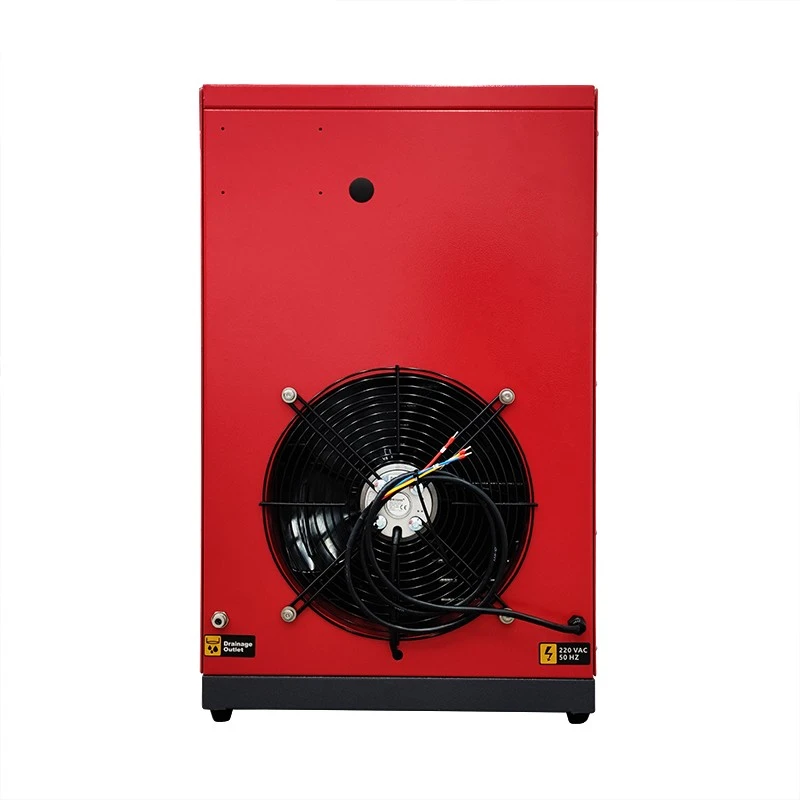
Refrigerated air dryers are used to remove moisture from the compressed air by cooling it to a temperature where the water vapor condenses. The condensed water is then drained out of the system. Air compressor air tanks are used to store compressed air, providing a buffer between the compressor and the point of use. This helps to stabilize the air pressure and reduce the load on the compressor.
Conclusion
In conclusion, while not all air compressors absolutely require an inline filter, in most cases, the use of inline filters is highly recommended. The benefits of using inline filters, such as improved equipment performance, product quality, and energy efficiency, far outweigh the cost of installation and maintenance.
As a supplier of Air Compressor Inline Filter, we understand the importance of providing high - quality filtration solutions for our customers. Whether you are operating a small workshop or a large industrial facility, we can help you select the right inline filters for your specific needs.
If you are interested in learning more about our inline filters or have any questions about compressed air filtration, please feel free to contact us. Our team of experts is ready to assist you in finding the best filtration solution for your air compressor system. We look forward to the opportunity to work with you and help you ensure the reliability and efficiency of your pneumatic systems.
References
- Compressed Air and Gas Handbook, 4th Edition
- Pneumatic Systems Design and Application, 3rd Edition
- Industrial Air Compressor Handbook