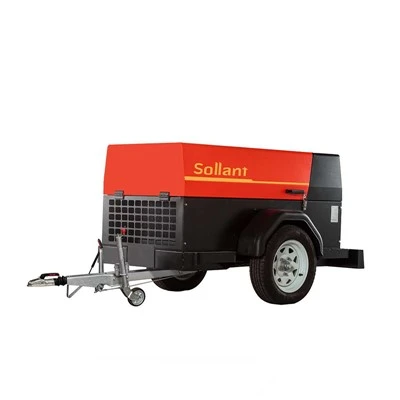
The biogas industry has witnessed remarkable growth in recent years, driven by increasing environmental concerns, the need for renewable energy sources, and government incentives. As a biogas compressor supplier, I have closely observed how the development of the biogas industry impacts the demand for biogas compressors. In this blog post, I will explore the various factors contributing to this relationship and discuss the implications for our business.
Growth of the Biogas Industry
The biogas industry has expanded significantly due to several factors. Firstly, the global push towards reducing greenhouse gas emissions has led to an increased focus on renewable energy sources. Biogas, a renewable energy produced from the anaerobic digestion of organic matter, offers a sustainable alternative to fossil fuels. It can be used for electricity generation, heating, and as a vehicle fuel, thereby reducing reliance on non-renewable resources and mitigating climate change.
Secondly, government policies and incentives have played a crucial role in promoting the biogas industry. Many countries have implemented feed-in tariffs, subsidies, and tax incentives to encourage the production and use of biogas. These measures have made biogas projects more economically viable, leading to an increase in the number of biogas plants worldwide.
Thirdly, the availability of organic waste materials has provided a stable feedstock for biogas production. Organic waste from agriculture, food processing, and sewage treatment can be used to generate biogas, offering a solution to waste management problems while producing renewable energy.
Role of Biogas Compressors in the Biogas Industry
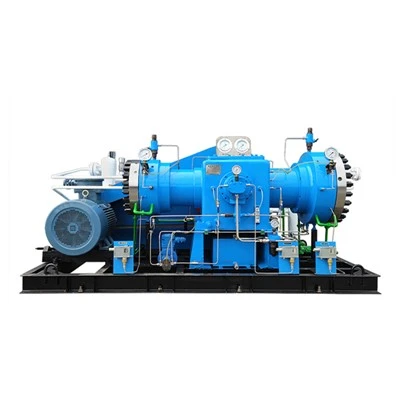
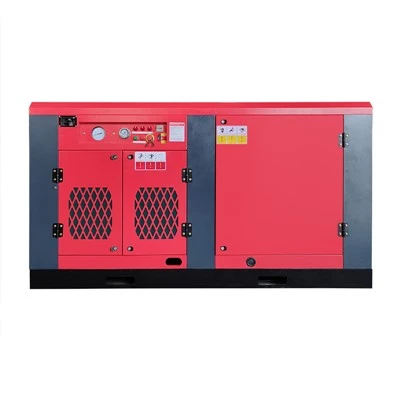
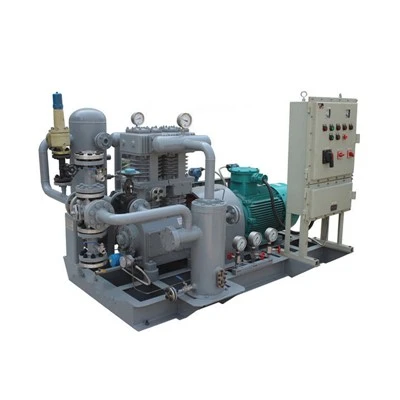
Biogas compressors are essential components in the biogas industry. They are used to increase the pressure of biogas, making it suitable for various applications. Compressed biogas (CBG) can be stored more efficiently and transported over longer distances, enabling its use as a vehicle fuel or for injection into the natural gas grid.


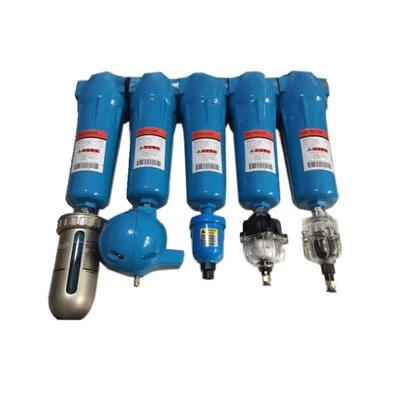
In biogas plants, compressors are used to compress biogas before it is stored in tanks or fed into pipelines. This allows for better control of the biogas flow and ensures that it can be used effectively. Additionally, biogas compressors are used in upgrading processes, where impurities are removed from the biogas to produce biomethane, a high-quality renewable gas that can be used interchangeably with natural gas.
Impact of Biogas Industry Development on Biogas Compressor Demand
The growth of the biogas industry has had a significant impact on the demand for biogas compressors. As the number of biogas plants increases, so does the need for compressors to handle the biogas produced. Here are some key factors contributing to the increased demand:
Expansion of Biogas Production Capacity
With the growing popularity of biogas as a renewable energy source, many countries are investing in the expansion of their biogas production capacity. This includes the construction of new biogas plants and the upgrading of existing ones. As a result, there is a higher demand for biogas compressors to meet the increased production volume.
Diversification of Biogas Applications
Biogas is no longer limited to electricity generation and heating. It is increasingly being used as a vehicle fuel, which requires the compression of biogas to high pressures. The development of the CBG market has created a new demand for biogas compressors, as they are essential for producing and distributing CBG.
Upgrading of Biogas to Biomethane
The upgrading of biogas to biomethane is becoming more common, as biomethane can be injected into the natural gas grid or used as a vehicle fuel with higher energy efficiency. Biogas compressors are used in the upgrading process to increase the pressure of the biogas before it undergoes purification and upgrading. As the demand for biomethane grows, so does the demand for biogas compressors for upgrading applications.
Replacement and Upgrading of Existing Compressors
As biogas plants age, the existing compressors may need to be replaced or upgraded to improve efficiency and reliability. This is especially true for older compressors that may not be able to handle the increased production volume or meet the new regulatory requirements. The need for replacement and upgrading of existing compressors also contributes to the overall demand for biogas compressors.
Technological Advancements in Biogas Compressors
The development of the biogas industry has also driven technological advancements in biogas compressors. Manufacturers are constantly innovating to improve the performance, efficiency, and reliability of biogas compressors. Some of the key technological advancements include:
Higher Efficiency
Newer biogas compressors are designed to operate with higher efficiency, reducing energy consumption and operating costs. This is achieved through the use of advanced compressor designs, improved materials, and better control systems.
Enhanced Reliability
Reliability is crucial in the biogas industry, as any downtime can result in significant losses. Manufacturers are focusing on improving the reliability of biogas compressors by using high-quality components, implementing advanced monitoring and diagnostic systems, and providing better maintenance and support services.
Customization
Biogas plants have different requirements depending on their size, location, and application. Manufacturers are now offering customized biogas compressors to meet the specific needs of each customer. This includes the ability to adjust the compressor's capacity, pressure, and flow rate to match the biogas production and consumption requirements.
Integration with Other Systems
Biogas compressors are increasingly being integrated with other systems in the biogas plant, such as biogas upgrading units, storage tanks, and pipelines. This integration allows for better control and optimization of the biogas production and distribution process, improving overall efficiency and performance.
Challenges and Opportunities for Biogas Compressor Suppliers
While the growth of the biogas industry presents significant opportunities for biogas compressor suppliers, there are also some challenges that need to be addressed. Here are some of the key challenges and opportunities:
Challenges
- Competition: The biogas compressor market is becoming increasingly competitive, with many manufacturers entering the market. This has led to price pressure and the need for suppliers to differentiate themselves through product quality, performance, and service.
- Regulatory Requirements: The biogas industry is subject to various regulatory requirements, including safety, environmental, and quality standards. Biogas compressor suppliers need to ensure that their products comply with these requirements, which can add to the cost and complexity of product development and manufacturing.
- Technical Expertise: Biogas compressors are complex machines that require specialized technical expertise for design, installation, and maintenance. Suppliers need to have a team of experienced engineers and technicians to provide technical support to their customers.
Opportunities
- Growing Market: The biogas industry is expected to continue to grow in the coming years, driven by increasing environmental concerns, government incentives, and the need for renewable energy sources. This presents a significant opportunity for biogas compressor suppliers to expand their market share and increase their sales.
- Technological Innovation: The development of new technologies and materials is opening up new opportunities for biogas compressor suppliers to improve the performance, efficiency, and reliability of their products. Suppliers that invest in research and development can gain a competitive advantage in the market.
- Diversification of Applications: The diversification of biogas applications, such as the use of biogas as a vehicle fuel and for injection into the natural gas grid, is creating new demand for biogas compressors. Suppliers that can offer compressors for these applications can tap into new markets and increase their revenue.
Conclusion
The development of the biogas industry has had a profound impact on the demand for biogas compressors. As the biogas industry continues to grow, the demand for biogas compressors is expected to increase further. Biogas compressor suppliers need to stay ahead of the curve by investing in research and development, improving product quality and performance, and providing excellent customer service.
If you are in the biogas industry and looking for a reliable biogas compressor supplier, we would be happy to discuss your needs. Our company offers a wide range of biogas compressors, including Nitrogen Compressor, Ammonia Compressor, and Gas Compressor, that are designed to meet the specific requirements of your biogas plant. Contact us today to learn more about our products and services and to start a procurement discussion.
References
- International Energy Agency. (2022). Biogas and biomethane: prospects for organic growth.
- European Biogas Association. (2022). Biogas in Europe - 2022.
- World Biogas Association. (2022). Global biogas market report.