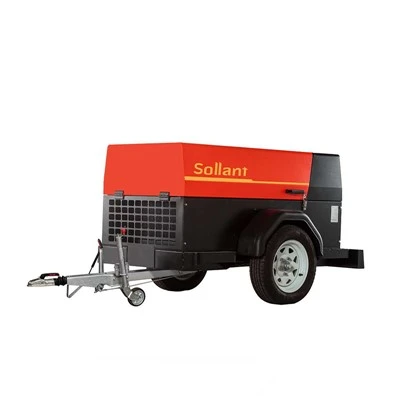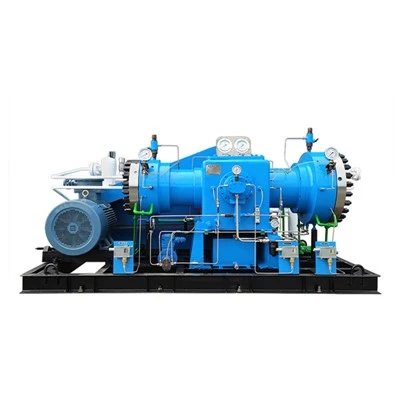
Picking the right size of a diesel air compressor for your pneumatic tools can be a bit of a head - scratcher. But don't worry, as a diesel air compressor supplier, I'm here to break it down for you.


First off, let's understand why getting the correct size matters. If your compressor is too small, your pneumatic tools won't work at their best. They might run slower, not have enough power, or even stop working altogether. On the other hand, if it's too big, you're wasting money on energy and paying more upfront for a unit you don't really need.
Understanding Key Compressor Specs
There are two main specs you need to focus on: cubic feet per minute (CFM) and pounds per square inch (PSI).
CFM
CFM is all about the volume of air the compressor can deliver. Different pneumatic tools need different amounts of air to operate properly. For example, a small nail gun might only need around 1 - 2 CFM, while a heavy - duty impact wrench could require 5 - 10 CFM or more.
To figure out the total CFM your tools need, you'll need to check the manufacturer's specs for each tool. Then, if you're using multiple tools at once, you'll need to add up their CFM requirements. Let's say you've got a nail gun that needs 1.5 CFM and an air brush that uses 0.5 CFM. If you want to use them both simultaneously, you'll need a compressor that can supply at least 2 CFM.
PSI
PSI, on the other hand, is about the pressure at which the air is delivered. Most pneumatic tools operate within a specific PSI range. Common tools often work well at around 90 PSI, but some heavy - duty ones may require 120 PSI or more. When you're choosing a compressor, make sure it can provide the required PSI for your tools.
Types of Air Compressors and Their Suitability
There are different types of air compressors, and each has its own advantages and disadvantages.
Portable Electric Air Compressor
A Portable Electric Air Compressor is great for light - duty jobs around the home or small workshops. They're easy to move around, relatively quiet, and don't require fuel storage. However, they usually have a lower CFM output compared to diesel compressors, so they might not be suitable for heavy - duty pneumatic tools.
Stationary Electric Air Compressor
Stationary Electric Air Compressor units are larger and can deliver more air. They're ideal for workshops where you have a constant need for compressed air. Since they're stationary, you don't have to worry about moving them around, but they do require a dedicated electrical supply.
Portable Diesel Air Compressor
If you're working in remote areas or on construction sites where there's no access to electricity, a Portable Diesel Air Compressor is a great choice. Diesel compressors are powerful and can deliver high CFM and PSI. They're also built to be rugged and can withstand harsh working conditions.
Calculating Your Compressor Needs
Let's say you're a contractor working on a construction site. You've got an impact wrench that needs 6 CFM at 90 PSI, a framing nailer that requires 2 CFM at 100 PSI, and a paint sprayer that uses 5 CFM at 40 PSI.
First, look at the maximum CFM requirements. If you plan to use all these tools at the same time, you'll need a compressor that can supply at least 6 + 2+ 5 = 13 CFM. Then, check the highest PSI requirement, which in this case is 100 PSI. So, you'll need a compressor that can deliver 13 CFM at 100 PSI.
It's also a good idea to add a little extra capacity to your compressor selection. A 10 - 20% buffer can account for any inefficiencies in the system or future tool upgrades. So, for our example, you might want to look for a compressor that can deliver 14 - 15 CFM at 100 PSI.
Other Factors to Consider
Duty Cycle
The duty cycle of a compressor refers to how long it can run continuously. For example, a compressor with a 50% duty cycle can run for half the time and then needs to rest for the other half. If you have long - term, continuous use of your pneumatic tools, you'll need a compressor with a high duty cycle.
Tank Size
The tank size of the compressor affects how long the tools can run without the compressor having to restart. A larger tank can store more compressed air, which is useful for tools that require short bursts of high - volume air.
Noise Level
If you're working in a residential area or a noise - sensitive environment, you'll want to choose a compressor with a low noise level. Diesel compressors can be noisy, but some models are designed to be quieter.
Making the Right Choice
Once you've calculated your CFM and PSI requirements and considered other factors like duty cycle, tank size, and noise level, it's time to choose the right diesel air compressor.
As a supplier, I've seen firsthand how the wrong compressor can cause headaches for users. That's why I'm here to help. Whether you need a small, portable unit for occasional home use or a large, heavy - duty compressor for a construction site, I've got options for you.
If you're still not sure which size of diesel air compressor is right for your pneumatic tools, don't hesitate to reach out. We can have a detailed discussion about your specific needs, and I can recommend the best compressor for you.
Contact us to start the procurement discussion. We're ready to assist you in finding the perfect diesel air compressor for your pneumatic tools.
References
- Compressed Air and Gas Institute (CAGI) standards on air compressor performance.
- Manufacturer specifications of various pneumatic tools and air compressors.