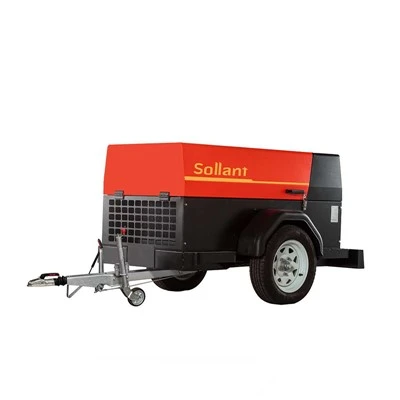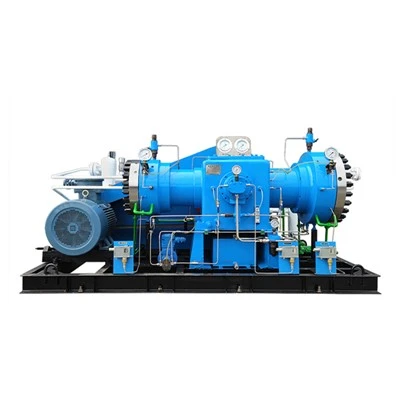
In the realm of industrial equipment, stationary diesel air compressors are indispensable workhorses, powering a wide range of applications across various sectors. As a leading supplier of stationary diesel air compressors, I've witnessed firsthand the transformative impact these machines can have on productivity and efficiency. One crucial component that often goes unnoticed but plays a pivotal role in the optimal performance of these compressors is the air receiver tank. In this blog post, I'll delve into the significance of the air receiver tank for a stationary diesel air compressor and why it's a must-have addition to your setup.
Understanding the Basics: What is an Air Receiver Tank?
Before we explore its significance, let's first understand what an air receiver tank is. Essentially, it's a large storage vessel that connects to the output of an air compressor. Its primary function is to store compressed air, acting as a buffer between the compressor and the end - use applications. When the compressor is running, it fills the tank with compressed air. When the demand for compressed air spikes, the tank can release the stored air to meet the sudden increase in usage without overloading the compressor.
1. Pressure Regulation
One of the most significant benefits of an air receiver tank is its ability to regulate air pressure. Stationary diesel air compressors operate by compressing air and increasing its pressure. However, the pressure can fluctuate as the compressor cycles on and off. These pressure variations can be detrimental to the performance of pneumatic tools and equipment, leading to inconsistent operation and potential damage.
The air receiver tank acts as a pressure stabilizer. It stores the compressed air at a consistent pressure, ensuring that the air delivered to the tools and equipment is within the optimal pressure range. This stable pressure supply results in smoother operation of pneumatic tools, improving their efficiency and extending their lifespan. For example, in a manufacturing plant where precision is key, a stable air pressure provided by the air receiver tank can ensure that pneumatic drills, grinders, and other tools operate with the exact force required, reducing errors and waste.
2. Energy Efficiency
Energy efficiency is a top priority for any industrial operation. Stationary diesel air compressors can be energy - intensive, especially when they are constantly cycling on and off to meet the fluctuating air demand. The air receiver tank helps to reduce this energy consumption.


When the air demand is low, the compressor can fill the tank and then shut off. The stored air in the tank can then be used to meet the demand during this period. This reduces the number of times the compressor has to start and stop, which in turn reduces wear and tear on the compressor and saves energy. Additionally, since the compressor can operate at a more consistent load when it is running, it can operate more efficiently. This translates into lower fuel consumption for diesel - powered compressors, resulting in cost savings for the business.
3. Condensate Removal
Compressed air contains moisture, which is a by - product of the compression process. If this moisture is not removed, it can cause corrosion in the air lines, damage pneumatic tools, and contaminate the end - product in some applications. The air receiver tank plays a crucial role in condensate removal.
As the compressed air enters the tank, it cools down. The cooler air causes the moisture to condense into liquid form. The tank is designed with a drain valve at the bottom, which allows the accumulated condensate to be drained out regularly. This simple yet effective process helps to keep the compressed air dry and clean, protecting the entire pneumatic system from the damaging effects of moisture.
4. Handling Peak Demand
In many industrial applications, there are periods of high air demand, known as peak demand. For example, in a construction site, multiple pneumatic tools may be used simultaneously during certain phases of the project. A stationary diesel air compressor alone may not be able to meet this sudden surge in demand without overloading.
The air receiver tank provides a reserve of compressed air that can be used to handle these peak demands. When the demand exceeds the compressor's capacity, the tank releases the stored air to supplement the compressor's output. This ensures that the pneumatic tools and equipment can continue to operate at full capacity, even during peak demand periods, without causing the compressor to overheat or malfunction.
5. Reducing Noise Pollution
Stationary diesel air compressors can be quite noisy during operation. The air receiver tank can act as a noise dampener. The large volume of the tank helps to absorb and dissipate the noise generated by the compressor. This is particularly beneficial in work environments where noise pollution is a concern, such as in residential areas or indoor industrial facilities. By reducing the noise level, the air receiver tank creates a more comfortable and safer working environment for employees.
Complementary Products in Our Range
As a supplier of stationary diesel air compressors, we also offer a range of complementary products. If you're interested in other types of air compressors, we have Stationary Electric Air Compressor and Portable Electric Air Compressor. These options provide different features and benefits to suit various applications and customer needs. And of course, our Diesel Air Compressor range offers reliable and powerful solutions for those who require mobility and high - performance in their air compression needs.
Conclusion and Call to Action
In conclusion, the air receiver tank is an essential component for a stationary diesel air compressor. It offers numerous benefits, including pressure regulation, energy efficiency, condensate removal, handling peak demand, and noise reduction. These benefits not only improve the performance and reliability of the compressor but also enhance the overall efficiency of the industrial operation.
If you're in the market for a stationary diesel air compressor or looking to upgrade your existing setup with an air receiver tank, we're here to help. Our team of experts can provide you with the right advice and solutions tailored to your specific requirements. Contact us today to start a discussion about your air compression needs and explore how our products can benefit your business.
References
- Compressed Air and Gas Institute (CAGI). "Air Compressor Handbook."
- Pneumatic Equipment Manufacturers Association (PEMA). "Best Practices for Compressed Air Systems."