In the realm of industrial machinery, high pressure reciprocating compressors stand as crucial components, powering a wide array of applications across various sectors. As a leading supplier of high pressure reciprocating compressors, I am often asked about the intricacies of their sealing systems. In this blog post, I will delve into the details of what the sealing system of high pressure reciprocating compressors entails, its importance, and the various types commonly used.
Understanding High Pressure Reciprocating Compressors
Before we dive into the sealing system, let's briefly understand what high pressure reciprocating compressors are. These compressors operate on the principle of reciprocating motion, where a piston moves back and forth within a cylinder to compress the gas. They are capable of achieving high pressures, making them suitable for applications such as natural gas processing, petrochemical industries, and power generation.
The Importance of Sealing Systems
The sealing system in high pressure reciprocating compressors plays a vital role in ensuring efficient and reliable operation. Its primary function is to prevent the leakage of compressed gas from the cylinder, which can lead to a loss of efficiency, increased energy consumption, and potential safety hazards. A well-designed sealing system also helps to maintain the integrity of the compressor, reducing wear and tear on components and extending the lifespan of the equipment.
Types of Sealing Systems
There are several types of sealing systems commonly used in high pressure reciprocating compressors, each with its own advantages and limitations. Let's take a closer look at some of the most popular ones:
Piston Rings
Piston rings are one of the most common types of seals used in high pressure reciprocating compressors. They are typically made of materials such as cast iron, carbon, or synthetic polymers, and are designed to fit snugly around the piston, creating a seal between the piston and the cylinder wall. Piston rings work by exerting a radial force against the cylinder wall, which helps to prevent the leakage of gas.
One of the key advantages of piston rings is their simplicity and reliability. They are relatively easy to install and maintain, and can withstand high pressures and temperatures. However, they do require regular inspection and replacement to ensure optimal performance.
Packing Seals
Packing seals are another type of seal commonly used in high pressure reciprocating compressors. They consist of a series of rings or gaskets made of materials such as graphite, PTFE, or asbestos, which are compressed around the piston rod to create a seal. Packing seals work by filling the gaps between the piston rod and the stuffing box, preventing the leakage of gas.
Packing seals are known for their excellent sealing performance, especially in applications where high pressures and temperatures are involved. They are also relatively inexpensive and easy to replace. However, they can be prone to wear and tear, and may require frequent adjustment to maintain a proper seal.
Labyrinth Seals
Labyrinth seals are a type of non-contact seal that uses a series of grooves or channels to create a tortuous path for the gas to flow through. This design helps to reduce the leakage of gas by increasing the resistance to flow. Labyrinth seals are typically made of materials such as stainless steel or aluminum, and are designed to fit around the piston or piston rod.
One of the main advantages of labyrinth seals is their low friction and wear, which helps to reduce energy consumption and extend the lifespan of the compressor. They are also relatively easy to install and maintain. However, they are not as effective as piston rings or packing seals in preventing gas leakage, especially at high pressures.
Mechanical Seals
Mechanical seals are a more advanced type of seal that uses a combination of stationary and rotating components to create a seal. They are typically used in applications where high pressures, high temperatures, and corrosive gases are involved. Mechanical seals work by applying a force between the stationary and rotating components, which helps to prevent the leakage of gas.
Mechanical seals are known for their excellent sealing performance and reliability. They are also capable of withstanding high pressures and temperatures, and can be designed to handle a wide range of fluids and gases. However, they are more complex and expensive than other types of seals, and require specialized installation and maintenance.
Factors Affecting Sealing Performance
The performance of the sealing system in high pressure reciprocating compressors can be affected by several factors, including:

Pressure and Temperature
The pressure and temperature of the compressed gas can have a significant impact on the performance of the sealing system. High pressures and temperatures can cause the seals to expand or contract, which can lead to leakage. It is important to select seals that are designed to withstand the specific pressure and temperature conditions of the application.
Gas Composition
The composition of the compressed gas can also affect the performance of the sealing system. Some gases, such as hydrogen and natural gas, can be more corrosive than others, which can cause the seals to degrade over time. It is important to select seals that are resistant to the specific gas composition of the application.
Speed and Load
The speed and load of the compressor can also have an impact on the performance of the sealing system. High speeds and loads can cause the seals to wear out more quickly, which can lead to leakage. It is important to select seals that are designed to withstand the specific speed and load conditions of the application.
Maintenance and Inspection
Regular maintenance and inspection of the sealing system are essential to ensure optimal performance and reliability. This includes checking the seals for wear and tear, replacing any damaged or worn seals, and lubricating the seals as needed. It is also important to follow the manufacturer's recommendations for maintenance and inspection, and to use only genuine replacement parts.
Conclusion
In conclusion, the sealing system in high pressure reciprocating compressors is a critical component that plays a vital role in ensuring efficient and reliable operation. By understanding the different types of sealing systems available, and the factors that can affect their performance, you can select the right seals for your application and ensure that your compressor operates at its best.
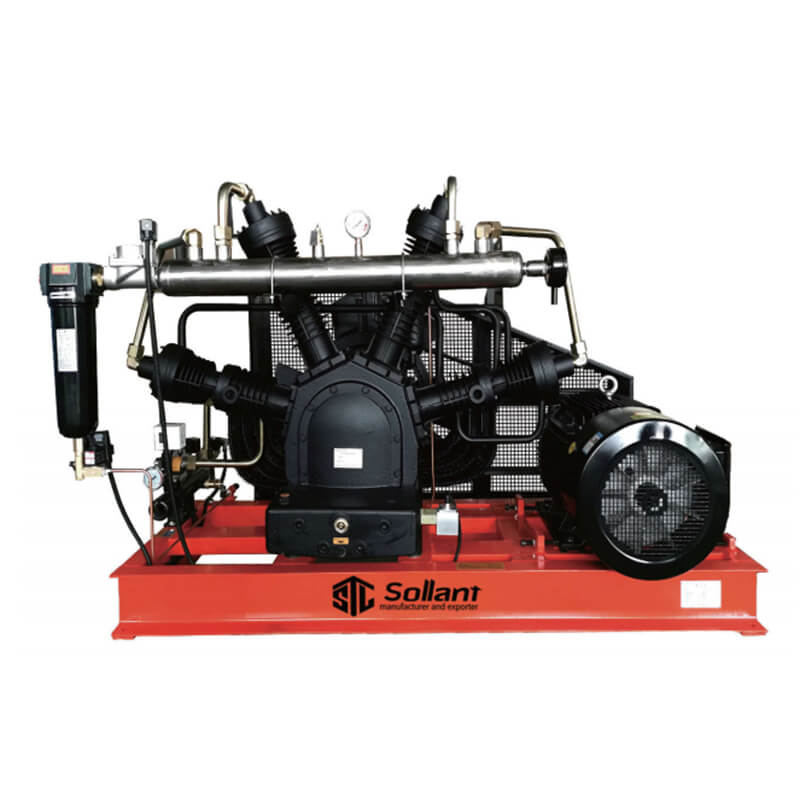
As a leading supplier of high pressure reciprocating compressors, we offer a wide range of sealing systems to meet the needs of our customers. Our 11KW High Pressure Booster Compressor, 30KW High Pressure Booster Air Compressor, and 22KW High Pressure Booster Compressor are all equipped with high-quality sealing systems that are designed to provide reliable and efficient performance.
If you are interested in learning more about our high pressure reciprocating compressors, or if you have any questions about sealing systems, please do not hesitate to contact us. Our team of experts is always available to provide you with the information and support you need to make the right decision for your application.
References
- "High Pressure Reciprocating Compressors: Design, Operation, and Maintenance" by John Smith
- "Sealing Technology for Reciprocating Compressors" by Jane Doe
- "Advanced Sealing Systems for High Pressure Applications" by Bob Johnson