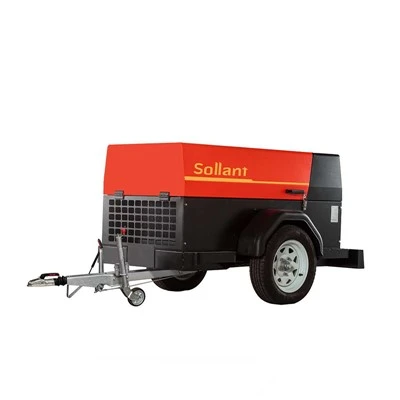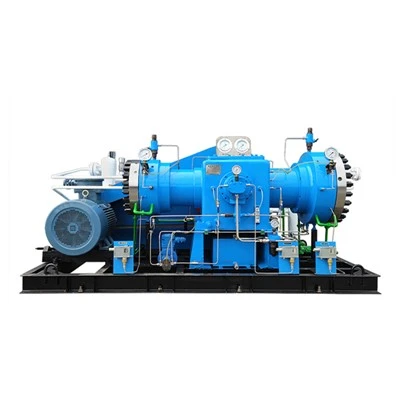
Gas compressors play a pivotal role in a wide range of industrial processes, serving as the backbone of gas compression operations. As a leading gas compressor supplier, we understand the significance of these machines in various industries and their impact on overall operational efficiency. In this blog, we will delve into the role of gas compressors in gas compression for industrial processes, exploring their functions, types, and applications.
The Fundamentals of Gas Compression
Gas compression is the process of increasing the pressure of a gas by reducing its volume. This is achieved by using a gas compressor, which takes in gas at a low pressure and discharges it at a higher pressure. The compression process is essential for a variety of industrial applications, including natural gas transportation, petrochemical processing, and power generation.
One of the primary functions of gas compressors is to transport gas over long distances. Natural gas, for example, is often extracted from remote locations and needs to be transported to processing plants and end-users. Gas compressors are used to increase the pressure of the gas, allowing it to flow through pipelines more efficiently. This not only reduces the cost of transportation but also ensures a reliable supply of gas to consumers.
In addition to transportation, gas compressors are also used in various industrial processes to increase the pressure of gases for specific applications. For instance, in the petrochemical industry, gas compressors are used to compress gases such as hydrogen, nitrogen, and carbon dioxide for use in chemical reactions. These gases are often used as feedstocks for the production of various chemicals and fuels.
Types of Gas Compressors
There are several types of gas compressors available in the market, each with its own unique features and applications. The most common types of gas compressors include reciprocating compressors, centrifugal compressors, and diaphragm compressors.
- Reciprocating Compressors: Reciprocating compressors are one of the oldest and most widely used types of gas compressors. They work by using a piston and cylinder arrangement to compress the gas. The piston moves back and forth inside the cylinder, creating a pressure difference that forces the gas to flow into and out of the cylinder. Reciprocating compressors are known for their high efficiency and reliability, making them suitable for a wide range of applications.
- Centrifugal Compressors: Centrifugal compressors are another popular type of gas compressor. They work by using a rotating impeller to accelerate the gas and increase its pressure. The impeller spins at high speeds, creating a centrifugal force that pushes the gas towards the outer edge of the compressor. Centrifugal compressors are known for their high flow rates and low maintenance requirements, making them ideal for large-scale industrial applications.
- Diaphragm Compressors: Diaphragm compressors are a type of positive displacement compressor that uses a flexible diaphragm to compress the gas. The diaphragm moves back and forth inside the compressor, creating a pressure difference that forces the gas to flow into and out of the compressor. Diaphragm compressors are known for their high efficiency, reliability, and ability to handle high-pressure gases. They are often used in applications where the gas needs to be compressed to very high pressures, such as in the chemical and pharmaceutical industries.
Applications of Gas Compressors
Gas compressors are used in a wide range of industrial applications, including natural gas processing, petrochemical processing, power generation, and refrigeration. Here are some of the key applications of gas compressors:
- Natural Gas Processing: Gas compressors are used in natural gas processing plants to compress the gas for transportation and storage. They are also used to remove impurities from the gas, such as water, carbon dioxide, and sulfur compounds.
- Petrochemical Processing: Gas compressors are used in petrochemical plants to compress gases such as hydrogen, nitrogen, and carbon dioxide for use in chemical reactions. They are also used to separate and purify different components of the gas mixture.
- Power Generation: Gas compressors are used in power generation plants to compress the gas for use in gas turbines. They are also used to remove impurities from the gas, such as water and sulfur compounds, to improve the efficiency and reliability of the power generation process.
- Refrigeration: Gas compressors are used in refrigeration systems to compress the refrigerant gas and increase its pressure. This allows the refrigerant to absorb heat from the surrounding environment and transfer it to a cooler location.
The Role of Gas Compressors in Industrial Processes
Gas compressors play a crucial role in industrial processes by providing a reliable and efficient way to compress gases. They are essential for the transportation, storage, and processing of gases in various industries, including natural gas, petrochemical, and power generation.
One of the key benefits of using gas compressors in industrial processes is their ability to increase the pressure of gases, which allows them to be transported over long distances and stored in tanks. This is particularly important in the natural gas industry, where gas needs to be transported from remote locations to processing plants and end-users.


In addition to transportation and storage, gas compressors are also used in various industrial processes to increase the pressure of gases for specific applications. For instance, in the petrochemical industry, gas compressors are used to compress gases such as hydrogen, nitrogen, and carbon dioxide for use in chemical reactions. These gases are often used as feedstocks for the production of various chemicals and fuels.
Another important role of gas compressors in industrial processes is their ability to improve the efficiency and reliability of the overall process. By compressing the gas, gas compressors can reduce the volume of the gas, which in turn reduces the size and cost of the equipment required for transportation and storage. This can lead to significant cost savings for industrial companies.
Conclusion
Gas compressors are an essential component of industrial processes, providing a reliable and efficient way to compress gases for transportation, storage, and processing. As a leading gas compressor supplier, we offer a wide range of gas compressors to meet the needs of various industries. Our gas compressors are designed to be highly efficient, reliable, and easy to maintain, ensuring that our customers can operate their industrial processes smoothly and efficiently.
If you are interested in learning more about our gas compressors or would like to discuss your specific requirements, please contact us today. We look forward to working with you to provide the best gas compression solutions for your industrial processes.
References
- Smith, J. (2018). Gas Compression Handbook. Elsevier.
- Brown, R. (2019). Industrial Gas Compression. Wiley.
- Johnson, M. (2020). Gas Compressor Technology. CRC Press.
For more information about our Natural Gas Compressor, Gas Compressor, and Diaphragm Compressor, please visit our website. If you are interested in purchasing our gas compressors, feel free to reach out to us for a detailed discussion.