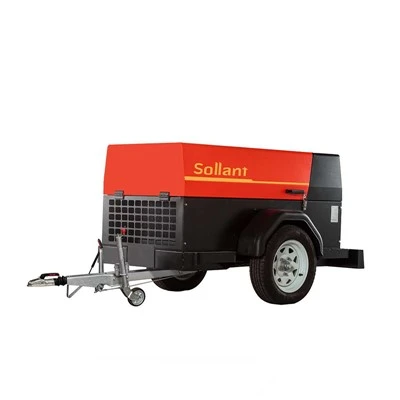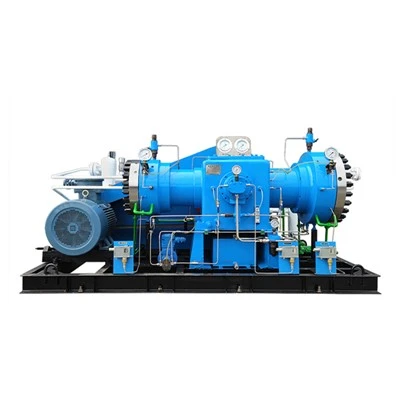
As a supplier of Single Phase Air Compressors, I've witnessed firsthand the crucial role that oil - water separators play in the performance and longevity of these machines. In this blog, I'll delve into the significance of oil - water separators in single - phase air compressors, exploring their functions, benefits, and how they contribute to the overall efficiency of the equipment.
Understanding Single Phase Air Compressors
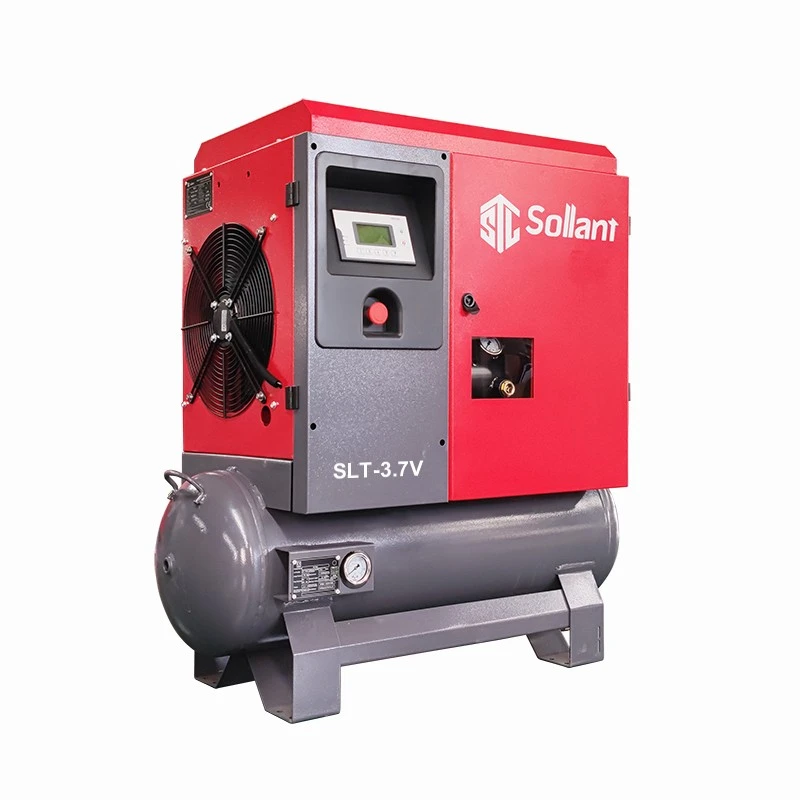
Single phase air compressors are widely used in various industries and applications, from small workshops to home garages. They are designed to convert power into potential energy stored in pressurized air. These compressors are popular due to their simplicity, ease of use, and relatively low cost. For instance, our Sollant 3.7KW Single Phase Rotary Screw Air Compressor is a reliable option for many small - scale operations. It provides a consistent supply of compressed air for tasks such as pneumatic tool operation, painting, and inflation.
However, during the compression process, air contains water vapor and oil mist. When the air is compressed, the temperature rises, and the water vapor and oil mist in the air can condense. If not properly managed, these contaminants can cause significant problems in the air compressor system and the equipment that uses the compressed air.
The Role of Oil - Water Separators in Single Phase Air Compressors
Contaminant Removal
The primary function of an oil - water separator in a single - phase air compressor is to separate oil and water from the compressed air. As the compressed air cools down, water vapor condenses into liquid water, and the oil used for lubricating the compressor components also mixes with the air. An oil - water separator uses various separation techniques, such as coalescence and gravity separation, to separate these contaminants from the compressed air.
Coalescence is a process where small droplets of oil and water are combined into larger droplets. These larger droplets are then easier to separate from the air stream due to their increased mass. Gravity separation takes advantage of the different densities of oil, water, and air. Since oil is less dense than water, it floats on top of the water, allowing for easy separation.
By removing oil and water from the compressed air, the oil - water separator ensures that the air delivered to the end - use equipment is clean and dry. This is essential for the proper functioning of pneumatic tools and other equipment that rely on compressed air. Contaminated compressed air can cause corrosion in pipes and valves, reduce the efficiency of pneumatic tools, and even damage sensitive electronic components in some applications.
Equipment Protection
Another important role of the oil - water separator is to protect the air compressor and the downstream equipment. Water in the compressed air can cause corrosion in the compressor's internal components, such as cylinders, pistons, and valves. Corrosion can lead to leaks, reduced efficiency, and ultimately, the failure of the compressor. Oil in the compressed air can also cause problems. It can clog filters, reduce the performance of pneumatic tools, and contaminate products in industries such as food and beverage or pharmaceuticals.
For example, in a painting application, if the compressed air contains oil or water, it can cause the paint to bubble or form an uneven finish. By using an oil - water separator, we can prevent these issues and ensure the quality of the final product. Our Single Phase Air Compressor is often used in painting operations, and the inclusion of an effective oil - water separator is a key factor in its success.
Environmental Compliance
In addition to protecting the equipment, oil - water separators also play a role in environmental compliance. The oil and water mixture removed from the compressed air cannot be discharged directly into the environment. Oil is a pollutant, and discharging it into water sources or the ground can cause environmental damage. An oil - water separator allows for the proper collection and disposal of the separated oil and water. The separated oil can be recycled or disposed of in an environmentally friendly manner, while the water can be treated and reused or safely discharged according to local environmental regulations.

Benefits of Using an Oil - Water Separator in a Single Phase Air Compressor
Improved Air Quality
By removing oil and water from the compressed air, an oil - water separator significantly improves the quality of the air delivered to the end - use equipment. Clean and dry compressed air ensures the proper functioning of pneumatic tools, reduces maintenance requirements, and extends the lifespan of the equipment. This leads to cost savings in the long run, as less time and money are spent on repairs and replacements.
Energy Efficiency
A single - phase air compressor with an oil - water separator can operate more efficiently. When the compressed air is free of contaminants, there is less resistance in the air distribution system. This means that the compressor does not have to work as hard to deliver the same amount of compressed air, resulting in lower energy consumption. For example, our 7.5KW Single Phase Screw Air Compressor equipped with an oil - water separator can achieve better energy efficiency, reducing the overall operating cost for the user.
Reduced Maintenance
Contaminants in the compressed air can cause wear and tear on the compressor components and downstream equipment. By removing these contaminants, an oil - water separator reduces the frequency of maintenance tasks such as filter changes, valve repairs, and component replacements. This not only saves time but also reduces the cost of spare parts and labor.
Choosing the Right Oil - Water Separator for Your Single Phase Air Compressor
When selecting an oil - water separator for a single - phase air compressor, several factors need to be considered.
Flow Rate
The flow rate of the oil - water separator should match the flow rate of the air compressor. If the flow rate of the separator is too low, it may not be able to handle the volume of compressed air, resulting in incomplete separation of contaminants. On the other hand, if the flow rate is too high, the separator may be more expensive and less efficient.
Separation Efficiency
The separation efficiency of the oil - water separator is another important factor. A high - efficiency separator can remove a larger percentage of oil and water from the compressed air. Look for separators that have been tested and certified to meet industry standards for separation efficiency.
Maintenance Requirements
Consider the maintenance requirements of the oil - water separator. Some separators require regular filter changes, while others may need periodic cleaning. Choose a separator that is easy to maintain and has readily available spare parts.
Conclusion
In conclusion, an oil - water separator is an essential component of a single - phase air compressor. It plays a vital role in removing contaminants from the compressed air, protecting the equipment, and ensuring environmental compliance. By improving air quality, energy efficiency, and reducing maintenance requirements, an oil - water separator can significantly enhance the performance and longevity of a single - phase air compressor.
If you are in the market for a single - phase air compressor or need to upgrade your existing system with an oil - water separator, we are here to help. Our team of experts can provide you with professional advice and high - quality products. Contact us to discuss your specific requirements and explore the best solutions for your business.
References
- Compressed Air and Gas Handbook, 4th Edition
- Pneumatic Systems Design and Application Guide