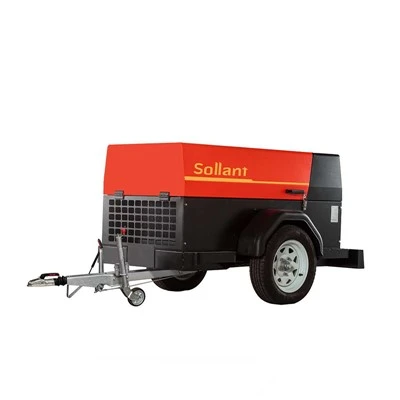
Ambient temperature plays a crucial role in the performance and lifespan of a single phase screw air compressor. As a supplier of single phase screw air compressors, I have witnessed firsthand how temperature variations can impact these machines. In this blog post, I will delve into the various ways ambient temperature affects a single phase screw air compressor and provide insights on how to mitigate potential issues.
Impact on Compressor Efficiency
One of the primary ways ambient temperature affects a single phase screw air compressor is by influencing its efficiency. Compressors are designed to operate within a specific temperature range, typically between 40°F (4°C) and 104°F (40°C). When the ambient temperature falls outside this range, the compressor's performance can be significantly impaired.
At lower temperatures, the air density increases, which means the compressor has to work harder to draw in and compress the same volume of air. This results in higher energy consumption and reduced efficiency. Additionally, cold temperatures can cause the lubricating oil in the compressor to thicken, making it more difficult for the moving parts to operate smoothly. This can lead to increased wear and tear on the compressor components, potentially shortening its lifespan.
Conversely, high ambient temperatures can also have a detrimental effect on compressor efficiency. As the temperature rises, the air density decreases, reducing the amount of air the compressor can draw in. This can result in a decrease in the compressor's output capacity, making it less effective at meeting the air demand. Moreover, high temperatures can cause the lubricating oil to break down more quickly, leading to increased friction and heat generation within the compressor. This can further reduce efficiency and increase the risk of component failure.
Effect on Compressor Cooling
Proper cooling is essential for the reliable operation of a single phase screw air compressor. Compressors generate a significant amount of heat during operation, and if this heat is not dissipated effectively, it can cause the compressor to overheat and malfunction. Ambient temperature plays a critical role in the cooling process, as it affects the rate at which heat can be transferred from the compressor to the surrounding environment.
In hot environments, the temperature difference between the compressor and the ambient air is reduced, making it more difficult for the compressor to dissipate heat. This can cause the compressor to run hotter than normal, increasing the risk of overheating and component damage. To compensate for the reduced cooling capacity, the compressor may need to run for longer periods or at higher speeds, which can further increase energy consumption and wear on the components.
On the other hand, in cold environments, the cooling system may be too effective, causing the compressor to run at a lower temperature than optimal. This can lead to condensation forming inside the compressor, which can cause corrosion and damage to the components. Additionally, the thickening of the lubricating oil at low temperatures can reduce the effectiveness of the cooling system, further exacerbating the problem.
Impact on Compressor Lubrication
Lubrication is another critical factor in the performance and lifespan of a single phase screw air compressor. The lubricating oil in the compressor serves several important functions, including reducing friction between the moving parts, dissipating heat, and preventing corrosion. Ambient temperature can have a significant impact on the lubricating properties of the oil, affecting its ability to perform these functions effectively.


At low temperatures, the lubricating oil can thicken, making it more difficult for it to flow freely through the compressor. This can result in poor lubrication of the moving parts, increasing the risk of wear and tear. Additionally, the thickened oil may not be able to reach all the critical components, leaving them vulnerable to damage.
In high temperatures, the lubricating oil can break down more quickly, losing its lubricating properties and becoming more acidic. This can cause increased friction and heat generation within the compressor, leading to accelerated wear on the components. Moreover, the acidic oil can corrode the compressor components, further reducing their lifespan.
Mitigating the Effects of Ambient Temperature
While ambient temperature can have a significant impact on the performance and lifespan of a single phase screw air compressor, there are several steps that can be taken to mitigate these effects. Here are some recommendations:
- Proper Installation: Ensure that the compressor is installed in a well-ventilated area with adequate space for air circulation. Avoid installing the compressor in direct sunlight or near sources of heat, such as furnaces or boilers.
- Temperature Monitoring: Regularly monitor the ambient temperature and the temperature of the compressor components. If the temperature exceeds the recommended range, take appropriate action to cool the compressor or adjust its operation.
- Lubrication Maintenance: Use a high-quality lubricating oil that is suitable for the operating temperature range of the compressor. Follow the manufacturer's recommendations for oil change intervals and ensure that the oil level is maintained at the proper level.
- Cooling System Maintenance: Regularly clean the cooling system components, such as the radiator and fan, to ensure that they are functioning properly. Check the coolant level and quality regularly and replace it as needed.
- Compressor Sizing: Select a compressor that is appropriately sized for the air demand and the ambient temperature conditions. An undersized compressor may struggle to meet the air demand in high temperatures, while an oversized compressor may be inefficient in low temperatures.
Conclusion
In conclusion, ambient temperature has a significant impact on the performance and lifespan of a single phase screw air compressor. By understanding the effects of temperature on compressor efficiency, cooling, and lubrication, and taking appropriate steps to mitigate these effects, you can ensure that your compressor operates reliably and efficiently for many years to come.
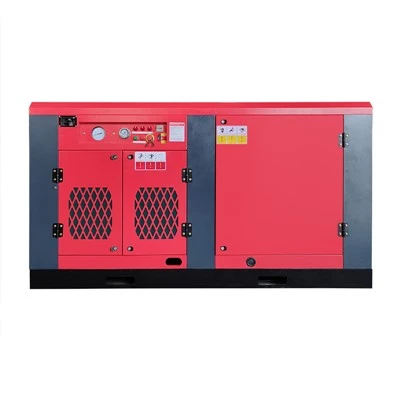
If you are in the market for a single phase screw air compressor, we offer a wide range of high-quality products to meet your needs. Our Single Phase Air Compressor is designed for optimal performance in a variety of ambient temperature conditions. We also offer the 7.5KW Single Phase Screw Air Compressor and the 5.5KW Single Phase Rotary Screw Air Compressor, which are ideal for larger air demand applications.
Contact us today to learn more about our single phase screw air compressors and how we can help you find the right solution for your business. We look forward to working with you!
References
- Compressed Air and Gas Institute (CAGI). (2023). Compressed Air System Best Practices.
- Gardner Denver. (2023). Understanding the Impact of Ambient Temperature on Air Compressors.
- Ingersoll Rand. (2023). Air Compressor Maintenance Guide.