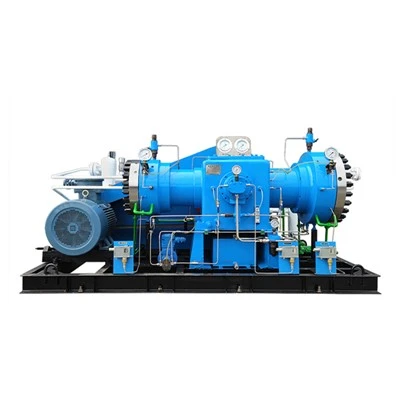
Hey there! As a supplier of Stationary Electric Air Compressor, I've seen firsthand how different environmental factors can mess with these machines. One of the most underestimated factors is humidity. Let's dive into what humidity does to a stationary electric air compressor's performance.
How Humidity Affects the Air Intake Process
First off, let's talk about the air intake. An air compressor sucks in air from the surrounding environment to compress it. When the air is humid, it means there's a lot of water vapor in it. This extra moisture can cause some real headaches.
Normally, an air compressor is designed to work with dry air. When humid air gets pulled in, the water vapor takes up space that should be filled with dry air. This means that for every cycle of the compressor, there's less actual air to compress. As a result, the compressor has to work harder to achieve the same level of pressure. It's like trying to fill a glass with water that's half full of ice cubes - you have to pour more to get the same amount of liquid.
Impact on Compression Efficiency
The presence of water vapor also messes with the compression efficiency. When air is compressed, it heats up. This is basic thermodynamics, right? Well, the water vapor in the humid air also heats up and can cause the compressor to overheat more easily.
Overheating is a big deal because it can lead to a breakdown of the lubricants inside the compressor. Lubricants are crucial for reducing friction between moving parts. When they break down, the friction increases, and the compressor has to use more energy to keep running. This not only reduces the overall efficiency of the compressor but also shortens its lifespan.
Another issue with water vapor during compression is that it can condense. As the compressed air cools down, the water vapor turns into liquid water. This water can accumulate inside the compressor and cause corrosion. Corrosion can damage the internal components of the compressor, leading to leaks and reduced performance.
Effects on Air Quality
Humidity also has a significant impact on the quality of the compressed air. The water that condenses inside the compressor can end up in the compressed air system. This is a problem because many applications that use compressed air require dry air.
For example, in the manufacturing industry, compressed air is often used to power pneumatic tools. If the air is wet, it can cause the tools to malfunction or wear out faster. In the food and beverage industry, wet compressed air can contaminate the products. And in the medical field, wet compressed air can be a breeding ground for bacteria and other microorganisms.
To combat this, additional equipment such as air dryers may be required. Air dryers remove the moisture from the compressed air, but they add to the cost and complexity of the system. So, high humidity means more expenses for the end - user.


Maintenance Challenges
High humidity levels increase the maintenance requirements of a stationary electric air compressor. As I mentioned earlier, the water that accumulates inside the compressor can cause corrosion. This means that the compressor needs to be inspected more frequently for signs of rust and damage.
The filters in the compressor also need to be changed more often. The moisture in the air can cause the filters to clog faster, reducing the airflow into the compressor. A clogged filter means the compressor has to work harder to suck in air, which can lead to more energy consumption and reduced performance.
Solutions to Counter Humidity
There are a few things that can be done to minimize the impact of humidity on a stationary electric air compressor. One option is to install an air dryer at the intake of the compressor. This helps to remove the moisture from the air before it enters the compressor, reducing the chances of condensation and corrosion.
Another solution is to ensure proper ventilation in the area where the compressor is located. Good ventilation helps to reduce the humidity levels around the compressor. It also helps to dissipate the heat generated by the compressor, preventing overheating.
Regular maintenance is also crucial. This includes checking and changing the filters, inspecting for signs of corrosion, and ensuring that all the components are in good working condition.
Comparison with Other Types of Air Compressors
It's interesting to compare how humidity affects stationary electric air compressors with other types of air compressors, like Portable Diesel Air Compressor and Portable Electric Air Compressor.
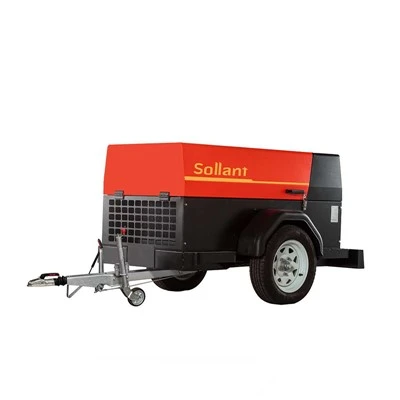
Portable diesel air compressors are often used in outdoor environments where humidity levels can vary widely. They are generally more robust and can handle a certain amount of moisture in the air. However, they also face similar issues with corrosion and reduced efficiency due to humidity.
Portable electric air compressors, on the other hand, are often used in smaller, indoor spaces. The humidity levels in these spaces can be more controlled, but if not properly managed, they can still experience the same problems as stationary electric air compressors.
Conclusion and Call to Action
In conclusion, humidity can have a significant impact on the performance of a stationary electric air compressor. It affects the air intake, compression efficiency, air quality, and maintenance requirements. But with the right solutions in place, these issues can be minimized.
If you're in the market for a stationary electric air compressor or any other type of air compressor, don't hesitate to reach out. We have a wide range of high - quality air compressors that can handle different environmental conditions. Contact us to discuss your specific needs and find the best solution for your business.
References
- ASHRAE Handbook - Fundamentals. American Society of Heating, Refrigerating and Air - Conditioning Engineers.
- Compressed Air and Gas Institute (CAGI) standards.
- Manufacturer's manuals for stationary electric air compressors.