As a supplier of Adsorption Air Dryers, I've seen firsthand how air contaminants can mess with these machines. Adsorption air dryers are super important in many industries. They help remove moisture from compressed air, which is crucial for keeping equipment running smoothly and products in good shape. But air contaminants can really throw a wrench in the works. So, let's dig into what these contaminants are and how they affect the desiccant in an adsorption air dryer.
Types of Air Contaminants
First off, we need to know what we're up against. There are several types of air contaminants that can find their way into an adsorption air dryer.
Particulates
These are tiny solid particles floating around in the air. Dust, dirt, and rust are common examples. They can come from the environment, like when the air intake is near a construction site or a dusty road. Particulates can also be generated inside the air compression system, such as when metal components wear down. When these particles enter the adsorption air dryer, they can coat the desiccant surface. This reduces the desiccant's ability to adsorb moisture because the particles block the pores where the water molecules would normally stick.
Oil Vapors
Oil is used in many air compressors to lubricate moving parts. Sometimes, small amounts of oil vapor can escape into the compressed air stream. Oil vapors can be a real pain for desiccants. They can form a thin film on the desiccant beads, which not only reduces the surface area available for moisture adsorption but also makes it harder for the desiccant to release the adsorbed moisture during the regeneration process. Over time, this can lead to a significant decrease in the dryer's efficiency.
Chemical Gases
There are various chemical gases that can be present in the air, such as sulfur dioxide, nitrogen oxides, and volatile organic compounds (VOCs). These gases can react with the desiccant, changing its chemical properties. For example, some chemical gases can cause the desiccant to become acidic or alkaline, which can damage the desiccant structure and reduce its adsorption capacity.
How Contaminants Affect the Desiccant
Now that we know what the contaminants are, let's talk about how they specifically affect the desiccant in an adsorption air dryer.
Reduced Adsorption Capacity
As mentioned earlier, particulates and oil vapors can block the desiccant's pores. This means that there are fewer places for the water molecules to attach, so the desiccant can't adsorb as much moisture as it should. When the adsorption capacity is reduced, the dryer won't be able to dry the compressed air to the desired level of humidity. This can lead to problems in downstream equipment, such as corrosion, clogging, and malfunction.
Shortened Desiccant Lifespan
Chemical gases can react with the desiccant and cause it to break down over time. This means that the desiccant will need to be replaced more frequently. Also, the build - up of particulates and oil on the desiccant can cause mechanical stress, which can lead to the desiccant beads crumbling. A shorter desiccant lifespan means higher operating costs for the user, as they have to keep buying new desiccant.
Inefficient Regeneration
During the regeneration process, the desiccant needs to release the adsorbed moisture so that it can be ready to adsorb more moisture again. However, if the desiccant is coated with oil or has reacted with chemical gases, it may not be able to release the moisture effectively. This can result in a desiccant that is still partially saturated after regeneration, reducing its ability to dry the compressed air in the next cycle.
Preventing Contaminant Damage
To protect the desiccant in an adsorption air dryer from air contaminants, there are several steps that can be taken.
Pre - Filtration
Using pre - filters is a great way to remove particulates and oil from the compressed air before it enters the adsorption air dryer. An Air Compressor Inline Filter can be installed upstream of the dryer. These filters are designed to capture solid particles and oil droplets, preventing them from reaching the desiccant.
Proper Air Intake Location
The location of the air intake for the compressor is also important. It should be placed in a clean area, away from sources of dust, dirt, and chemical emissions. For example, it should not be near a factory chimney or a busy road.

Regular Maintenance
Regular maintenance of the air compression system is crucial. This includes changing the filters regularly, checking for oil leaks in the compressor, and monitoring the quality of the compressed air. By keeping the system in good condition, the risk of contaminants entering the adsorption air dryer can be minimized.
The Role of Our Adsorption Air Dryers
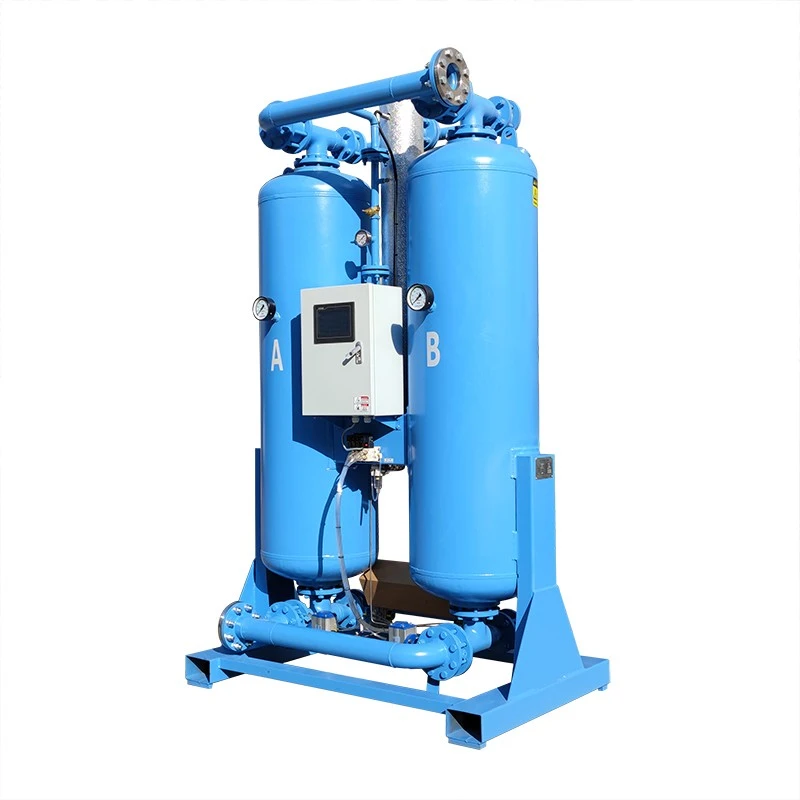
At our company, we understand the challenges that air contaminants pose to adsorption air dryers. That's why our Adsorption Air Dryers are designed with features to deal with these issues.
Our dryers are often equipped with high - quality pre - filters that can effectively remove a large percentage of particulates and oil from the compressed air. We also use desiccants that are more resistant to chemical gases, which helps to extend the desiccant lifespan. Additionally, our dryers have a well - designed regeneration system that can more effectively remove the adsorbed moisture, even if the desiccant has been slightly affected by contaminants.
Impact on the Overall System
When the desiccant in an adsorption air dryer is affected by air contaminants, it doesn't just impact the dryer itself. It can have a domino effect on the entire compressed air system.
Downstream Equipment
If the compressed air isn't properly dried due to reduced desiccant performance, downstream equipment can suffer. For example, pneumatic tools may not work as efficiently, and control valves can become clogged with moisture and contaminants. This can lead to increased maintenance costs and downtime for the production process.
Product Quality
In industries where compressed air is used in the manufacturing process, such as food and beverage or electronics, the quality of the compressed air is crucial. If the air is not dry enough because of desiccant issues, it can contaminate the products. This can result in product defects, recalls, and damage to the company's reputation.
Conclusion
Air contaminants can have a significant impact on the desiccant in an adsorption air dryer. They can reduce the desiccant's adsorption capacity, shorten its lifespan, and make the regeneration process less efficient. However, by taking preventive measures such as using pre - filters, choosing the right air intake location, and performing regular maintenance, these issues can be minimized.
As a supplier of Adsorption Air Dryers, we're committed to providing high - quality products that can withstand the challenges posed by air contaminants. If you're in the market for an adsorption air dryer or need to upgrade your existing system, we'd love to talk to you. Contact us to discuss your specific needs and find the best solution for your compressed air drying requirements.
References
- "Compressed Air Systems Handbook" by Compressed Air and Gas Institute
- "Principles of Adsorption and Adsorption Processes" by Douglas M. Ruthven