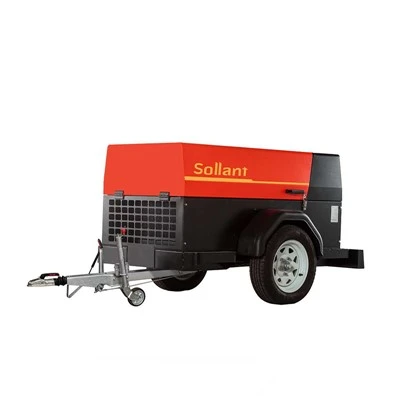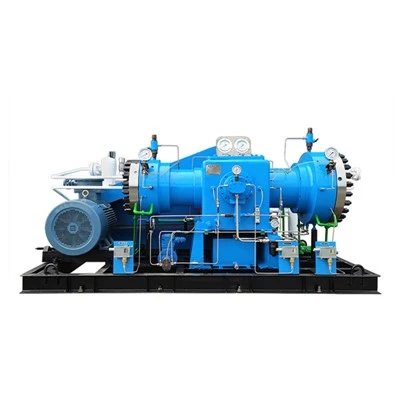
Hey there! As a supplier of oxygen compressors, I've seen my fair share of these machines in action. Over the years, I've learned to spot the tell - tale signs that an oxygen compressor might be in need of some repair. In this blog, I'll share these signs with you so you can keep your compressor running smoothly.
Unusual Noises
One of the first things you'll notice when something's up with your oxygen compressor is strange noises. A well - functioning compressor should operate relatively quietly. If you start hearing rattling, knocking, or screeching sounds, it's a red flag.
Rattling noises could mean that there are loose parts inside the compressor. Maybe a bolt has come loose or a component is vibrating more than it should. This could lead to further damage if not addressed promptly. Knocking sounds are often a sign of more serious internal problems, like issues with the pistons or connecting rods. Screeching, on the other hand, might indicate problems with the belts or bearings. These parts can wear out over time, and when they do, they'll make a high - pitched screeching noise. If you hear any of these unusual noises, it's time to have your compressor checked out. You can find more information about compressor components and their maintenance on the website of Natural Gas Compressor. Although it's about natural gas compressors, many of the principles are similar.
Decreased Pressure Output
Another sign that your oxygen compressor needs repair is a decrease in pressure output. The whole point of an oxygen compressor is to compress oxygen to a specific pressure. If you notice that the pressure isn't reaching the desired level or is fluctuating, there's a problem.
This could be due to a variety of reasons. A leak in the system is a common culprit. Even a small leak can cause a significant drop in pressure. Check all the hoses, fittings, and valves for any signs of leakage. If you find a leak, it might be as simple as tightening a loose fitting or replacing a worn - out gasket.
It could also be an issue with the compressor's internal components. For example, the valves might not be opening and closing properly, which would affect the compression process. If you're experiencing decreased pressure output, it's best to consult a professional. You can also look into Diaphragm Compressor technology, which has some unique features that can help maintain consistent pressure.
Excessive Heat
Oxygen compressors generate heat during operation, but if it's getting too hot, that's a problem. You should be able to touch the compressor's housing without burning your hand. If it's too hot to touch, there's an issue.
Excessive heat can be caused by a lack of proper lubrication. The moving parts in the compressor need to be well - lubricated to reduce friction. If the lubricant is low or dirty, it won't do its job effectively, and the friction will generate more heat. Another cause could be a problem with the cooling system. Compressors usually have a cooling mechanism, such as a fan or a water - cooling system. If this system isn't working properly, the heat won't be dissipated, and the compressor will overheat.


Overheating can damage the compressor's components, so it's important to address this issue as soon as possible. You can learn more about compressor cooling systems and lubrication on the LPG Compressor website. Although it's focused on LPG compressors, the concepts of heat management are applicable across different types of compressors.
Increased Energy Consumption
If you notice that your oxygen compressor is using more energy than usual, it's a sign that something's wrong. A well - maintained compressor should operate efficiently. An increase in energy consumption could be due to several factors.
As mentioned earlier, a leak in the system can cause the compressor to work harder to maintain the desired pressure. This extra work requires more energy. Additionally, worn - out components can also increase energy consumption. For example, if the pistons are worn, they won't compress the oxygen as effectively, and the compressor will have to run longer to achieve the same results.
Monitoring your compressor's energy consumption is a good way to catch potential problems early. If you see a significant increase in energy usage, it's time to have your compressor inspected.
Frequent Cycling
A normal oxygen compressor should cycle on and off at a regular interval. If you notice that it's cycling on and off more frequently than usual, there's a problem. Frequent cycling can put extra stress on the compressor's components and lead to premature wear and tear.
This could be caused by a faulty pressure switch. The pressure switch is responsible for turning the compressor on and off based on the pressure in the system. If it's not working correctly, it might be triggering the compressor to start and stop too often. Another possible cause is a blockage in the intake or discharge lines. A blockage can cause the pressure to build up quickly, which will make the compressor cycle more frequently.
If you're experiencing frequent cycling, it's important to have the compressor checked to prevent further damage.
Oil Leaks
Oil leaks are another clear sign that your oxygen compressor needs repair. Compressors use oil for lubrication and cooling. If you see oil pooling around the compressor or notice oil stains on the hoses or fittings, there's a leak.
Oil leaks can be caused by a variety of factors. A damaged oil seal is a common cause. Over time, the seals can wear out and start to leak. It could also be due to a crack in the oil reservoir or a loose connection.
Ignoring an oil leak can lead to a lack of proper lubrication, which can cause serious damage to the compressor's internal components. If you notice an oil leak, it's important to address it right away.
Erratic Operation
Finally, if your oxygen compressor is operating erratically, such as starting and stopping unexpectedly or running at inconsistent speeds, it's a sign that it needs repair. Erratic operation can be caused by a variety of electrical or mechanical problems.
It could be an issue with the electrical wiring, such as a loose connection or a short circuit. Or it could be a problem with the motor or the control system. Erratic operation can be dangerous, so it's important to have a professional take a look at it as soon as possible.
In conclusion, keeping an eye out for these signs can help you catch problems with your oxygen compressor early. If you notice any of these issues, don't hesitate to have your compressor repaired. As a supplier of oxygen compressors, I'm here to help you with any questions you might have. Whether you need advice on maintenance, repair, or are looking to purchase a new compressor, feel free to reach out to me. We can discuss your specific needs and find the best solution for you. Contact me to start a conversation about your oxygen compressor requirements and let's work together to keep your operations running smoothly.
References
- General knowledge from years of experience as an oxygen compressor supplier.
- Information from compressor component manufacturers and industry - related websites.