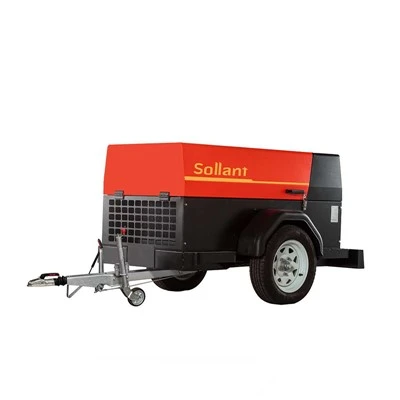
What are the installation clearances required for a stationary diesel air compressor?
As a supplier of Stationary Diesel Air Compressor, I understand the importance of proper installation clearances for these powerful machines. Stationary diesel air compressors are widely used in various industries, from construction sites to manufacturing plants, due to their reliability and high - performance capabilities. However, to ensure their optimal operation, longevity, and safety, specific installation clearances must be adhered to.
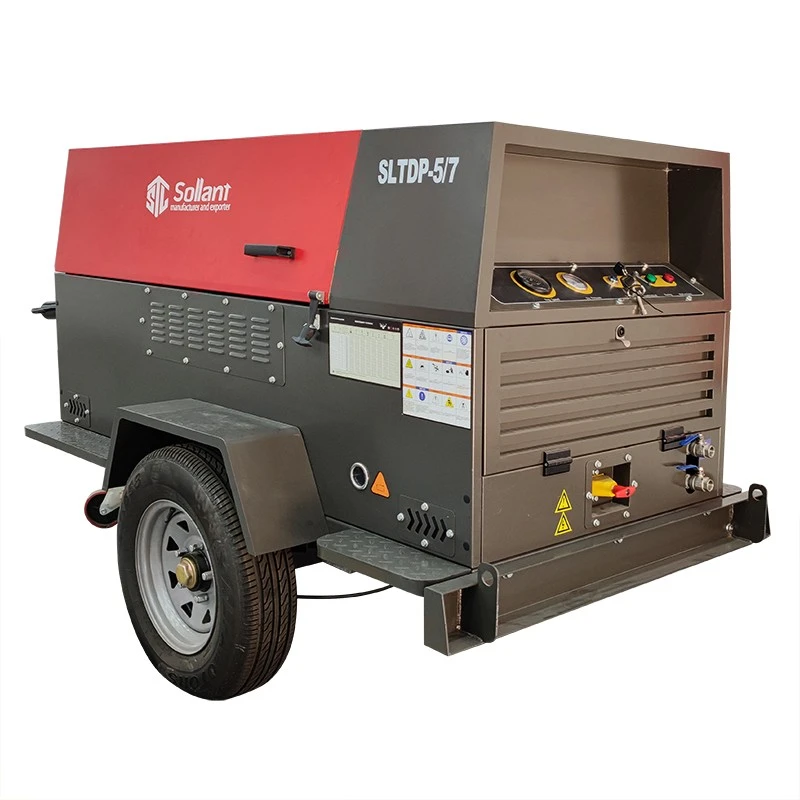
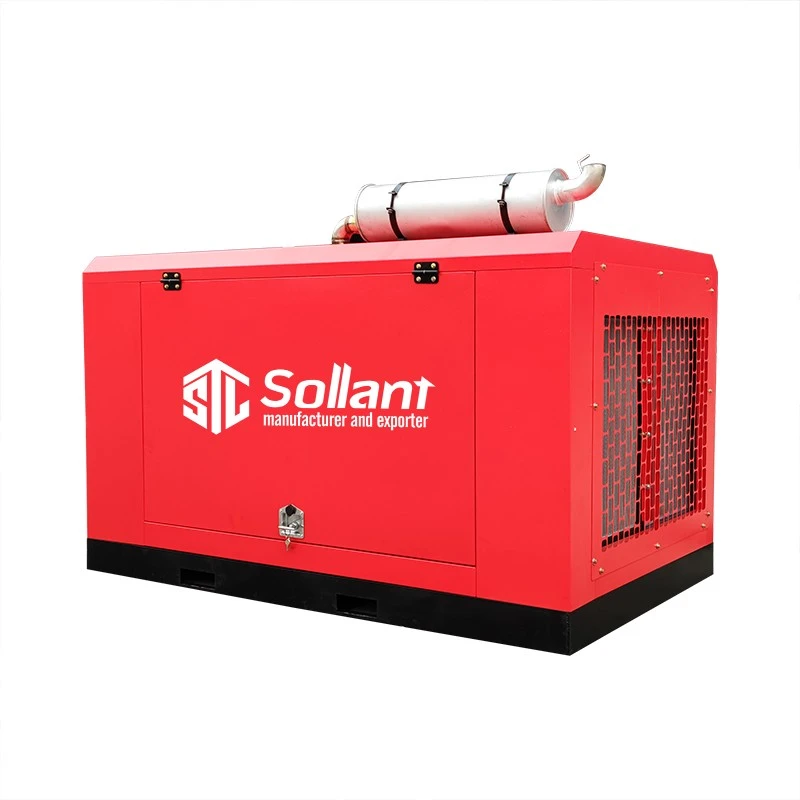
Why Installation Clearances Matter
Before delving into the specific clearances, it's crucial to understand why they are so important. Adequate installation clearances allow for proper ventilation, which is essential for cooling the compressor and its engine. Diesel engines generate a significant amount of heat during operation, and without proper ventilation, this heat can build up, leading to overheating and potential damage to the compressor components. Additionally, sufficient clearances provide easy access for maintenance and repair work, reducing downtime and ensuring that the compressor can be serviced efficiently.
Front and Rear Clearances
The front and rear of the stationary diesel air compressor require a certain amount of clearance. Generally, a minimum clearance of 3 to 5 feet (about 0.9 to 1.5 meters) should be maintained at the front of the compressor. This area is where the operator will typically access the control panel, perform routine checks, and carry out maintenance tasks. A clear front area allows for easy movement around the compressor and provides enough space to open any access doors or panels without obstruction.
At the rear of the compressor, a clearance of at least 2 to 3 feet (about 0.6 to 0.9 meters) is recommended. This space is important for the exhaust system of the diesel engine. The exhaust needs to be able to disperse freely into the atmosphere without being blocked. If the rear clearance is insufficient, the exhaust gases may recirculate back into the compressor area, increasing the temperature and potentially causing health hazards for the operators due to the presence of harmful pollutants such as carbon monoxide.
Side Clearances
Side clearances are also vital for the proper functioning of the stationary diesel air compressor. On each side of the compressor, a clearance of 2 to 3 feet (about 0.6 to 0.9 meters) should be maintained. These clearances are necessary for ventilation purposes. The compressor draws in air for cooling and combustion, and having open sides allows for a free flow of fresh air. Restricted side clearances can lead to reduced air intake, which in turn can cause the engine to run hotter and less efficiently.
Moreover, side clearances provide space for any auxiliary equipment that may be connected to the compressor, such as air dryers or filters. It also allows technicians to access the sides of the compressor for maintenance, including checking the belts, hoses, and other components.
Overhead Clearances
Overhead clearances are often overlooked but are just as important as the other clearances. A minimum overhead clearance of 5 to 7 feet (about 1.5 to 2.1 meters) is recommended. This space is crucial for several reasons. Firstly, it allows for proper ventilation of the hot air that rises from the compressor. If the overhead space is limited, the hot air will accumulate, increasing the temperature in the compressor area.
Secondly, overhead clearance is necessary for any lifting equipment that may be used during installation, maintenance, or removal of the compressor. For example, if a crane or hoist is required to lift heavy components of the compressor, sufficient overhead space ensures that the lifting operation can be carried out safely.
Clearances in Relation to Other Equipment and Structures
When installing a stationary diesel air compressor, it's important to consider its proximity to other equipment and structures. The compressor should be installed at a safe distance from flammable materials, such as fuel storage tanks or combustible waste. A minimum distance of 10 feet (about 3 meters) is typically recommended between the compressor and any flammable sources.
It should also be kept away from other heat - generating equipment. If the compressor is installed too close to another machine that produces a lot of heat, the combined heat can cause the compressor to overheat. A separation of at least 5 feet (about 1.5 meters) is advisable.
In addition, the compressor should not be installed in a corner or against a wall without proper ventilation. Corners can trap heat and restrict air flow, which is detrimental to the compressor's performance.
Impact of Installation Clearances on Different Types of Diesel Air Compressors
While we are mainly discussing stationary diesel air compressors, it's worth mentioning how installation clearances may vary for Portable Diesel Air Compressor. Portable compressors are generally more flexible in terms of installation since they are designed to be moved around. However, they still require some clearances for proper operation. The clearances for portable compressors are usually slightly less than those for stationary ones, but the principles remain the same. For example, a portable compressor may require a front clearance of 2 to 3 feet (about 0.6 to 0.9 meters) and side clearances of 1 to 2 feet (about 0.3 to 0.6 meters).
Ensuring Compliance with Installation Clearances
As a supplier, we provide detailed installation manuals with our Diesel Air Compressor that clearly outline the required installation clearances. We also offer on - site installation support to ensure that the compressors are installed correctly. Our technicians are trained to assess the installation site and make sure that all the necessary clearances are met.
In some cases, local building codes and regulations may also dictate the installation clearances for diesel air compressors. It's the responsibility of the customer to ensure that the installation complies with these regulations. We can assist customers in understanding and meeting these requirements by providing relevant information and guidance.
Conclusion
Proper installation clearances are essential for the safe and efficient operation of stationary diesel air compressors. By maintaining the recommended clearances at the front, rear, sides, and overhead, as well as considering the proximity to other equipment and structures, customers can ensure that their compressors operate at their best, have a longer lifespan, and are less prone to breakdowns.
If you are in the market for a high - quality stationary diesel air compressor or need more information about installation clearances, we are here to help. Our team of experts can provide you with all the necessary details and support to ensure a successful installation. Contact us today to start the conversation about your air compression needs.
References
- Compressed Air and Gas Institute (CAGI) standards on air compressor installation.
- Manufacturer's installation manuals for diesel air compressors.
- Local building and safety codes related to industrial equipment installation.