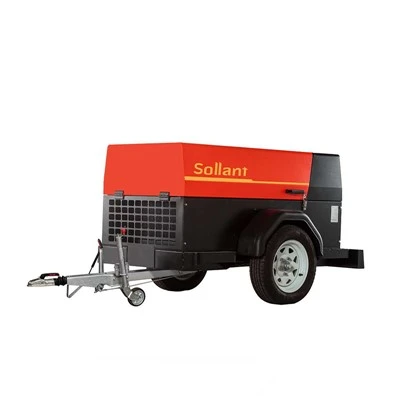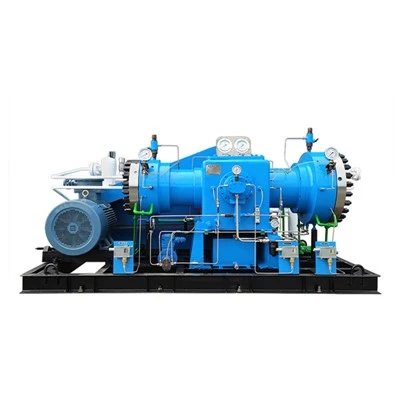
Hey there! As a supplier of LPG compressors, I've seen firsthand how crucial proper cooling methods are for these machines. LPG compressors work hard to increase the pressure of liquefied petroleum gas, and in the process, they generate a whole lot of heat. If this heat isn't managed effectively, it can lead to all sorts of problems, from reduced efficiency to serious damage to the compressor components. So, let's dive into the different cooling methods used in LPG compressors.
Air Cooling
One of the most common cooling methods for LPG compressors is air cooling. It's a simple and cost - effective way to keep the compressor at a reasonable temperature. In an air - cooled system, the compressor is equipped with fins on its exterior. These fins increase the surface area of the compressor, allowing for better heat transfer. As air flows over these fins, it absorbs the heat from the compressor and carries it away.
Think of it like when you're hot, and you stand in front of a fan. The moving air helps to cool you down. Similarly, in an air - cooled LPG compressor, fans are often used to force air over the fins. This forced air circulation can significantly improve the cooling efficiency.
Air cooling has its advantages. It's relatively easy to install and maintain. You don't need a complex network of pipes or a large water supply like in some other cooling methods. However, it also has its limitations. Air cooling is less effective in hot and humid environments. If the ambient air temperature is already high, it won't be able to absorb as much heat from the compressor, and the cooling performance will suffer.
Water Cooling
Water cooling is another popular option for LPG compressors. In a water - cooled system, water is circulated through a series of pipes or jackets around the compressor. As the water flows, it absorbs the heat generated by the compressor and then carries it away to a cooling tower or a heat exchanger.
There are two main types of water - cooled systems: open - loop and closed - loop. In an open - loop system, fresh water is drawn from a source like a river, lake, or municipal water supply. The water passes through the compressor, absorbs the heat, and then is discharged back into the environment. This type of system is relatively simple but can be a concern for environmental reasons, especially if large amounts of water are used.
A closed - loop system, on the other hand, recirculates the same water. The heated water is sent to a cooling tower, where it is cooled by evaporation and then recirculated back to the compressor. This is a more sustainable option as it reduces water consumption.
Water cooling is generally more efficient than air cooling. Water has a higher heat capacity than air, which means it can absorb more heat per unit volume. This makes it better at handling high - heat loads, which are common in large - scale LPG compressors. However, water - cooled systems are more complex and expensive to install and maintain. You need to have a reliable water source and a proper cooling tower or heat exchanger.
Oil Cooling
Oil cooling is also used in some LPG compressors, especially in those with high - performance requirements. In an oil - cooled system, oil is used as the cooling medium. The oil is circulated through the compressor, where it absorbs the heat generated by the compression process.
The oil has several functions in addition to cooling. It also lubricates the moving parts of the compressor, reducing friction and wear. This helps to extend the lifespan of the compressor. After the oil has absorbed the heat, it is sent to an oil cooler, where it is cooled down before being recirculated back to the compressor.
Oil cooling can be very effective, especially in compressors that operate at high pressures and temperatures. The oil can handle the heat well and also provides good lubrication. However, like water cooling, it requires a more complex system. You need to have an oil reservoir, pumps, and an oil cooler, which all add to the cost and maintenance requirements.
Refrigerant Cooling
Refrigerant cooling is a more advanced cooling method used in some specialized LPG compressors. In this system, a refrigerant is used to absorb the heat from the compressor. The refrigerant goes through a cycle of evaporation and condensation.
When the refrigerant evaporates, it absorbs heat from the compressor. Then, it is compressed and sent to a condenser, where it releases the heat and condenses back into a liquid. This cycle is repeated continuously to keep the compressor cool.
Refrigerant cooling is very efficient and can achieve very low temperatures. It's often used in compressors where precise temperature control is required. However, it is also the most expensive and complex cooling method. The refrigeration system requires specialized components and careful maintenance to ensure proper operation.
Choosing the Right Cooling Method
So, how do you choose the right cooling method for an LPG compressor? Well, it depends on several factors.
First, consider the operating environment. If you're in a hot and dry area, air cooling might not be the best option. Water cooling or refrigerant cooling could be more suitable. On the other hand, if you're in an area with limited water supply, air cooling or oil cooling might be a better choice.
The size and capacity of the compressor also matter. Larger compressors generate more heat and usually require more efficient cooling methods like water cooling or refrigerant cooling. Smaller compressors, on the other hand, might be able to get by with air cooling.
Cost is another important factor. Air cooling is generally the cheapest option in terms of installation and maintenance. Water cooling and oil cooling are more expensive, and refrigerant cooling is the most costly. You need to balance the cost with the performance requirements of the compressor.


As a supplier of LPG compressors, we can help you make the right choice. We have a wide range of compressors with different cooling methods to suit your specific needs. Whether you're looking for a simple air - cooled compressor for a small - scale application or a high - performance water - cooled or refrigerant - cooled compressor for a large industrial project, we've got you covered.
If you're also interested in other types of compressors, check out our Biogas Compressor, Ammonia Compressor, and Natural Gas Compressor.
If you're thinking about purchasing an LPG compressor or have any questions about the cooling methods, don't hesitate to get in touch. We're here to help you find the best solution for your needs. Let's have a chat and see how we can work together to meet your compression requirements.
References
- Compressor Handbook, various editions
- Technical papers on LPG compressor technology from industry conferences