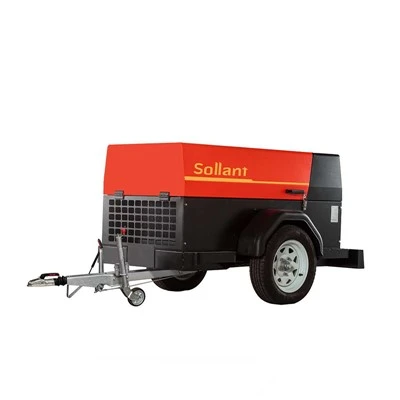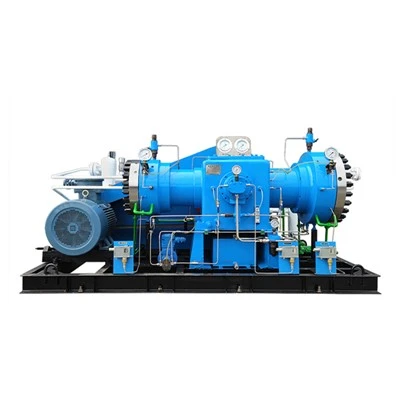
Hey there! As a gas compressor supplier, I've seen firsthand the importance of regular maintenance for these machines. Gas compressors are crucial in various industries, from natural gas processing to LPG storage and biogas utilization. In this blog, I'll share some common maintenance tasks for gas compressors that can help keep them running smoothly and efficiently.
1. Regular Inspection
One of the most basic yet essential maintenance tasks is regular inspection. You should visually check the compressor for any signs of wear and tear, leaks, or loose connections. Look at the belts, hoses, and pipes. If you notice any cracks, fraying, or signs of damage, it's time to replace them. Also, check the compressor's oil level. Low oil can cause overheating and damage to the internal components.
Inspecting the air filters is another important part of the process. Clogged air filters can restrict airflow, reducing the compressor's efficiency and increasing energy consumption. Replace the air filters regularly according to the manufacturer's recommendations. For example, in a dusty environment, you might need to change the filters more frequently.
2. Lubrication
Proper lubrication is key to the long - term performance of a gas compressor. The moving parts of the compressor, such as pistons, bearings, and gears, need to be well - lubricated to reduce friction and prevent premature wear. Use the recommended type of lubricant for your specific compressor model.
Check the lubricant level regularly and top it up as needed. Over time, the lubricant can break down and become contaminated with dirt and debris. So, it's important to change the lubricant at the recommended intervals. A good rule of thumb is to change the lubricant every few hundred hours of operation, but this can vary depending on the compressor's usage and the type of gas it's compressing.
3. Cooling System Maintenance
Gas compressors generate a lot of heat during operation. A properly functioning cooling system is essential to prevent overheating, which can lead to serious damage. Check the cooling fans, radiators, and coolant levels regularly.
If the cooling fans are dirty or blocked, they won't be able to dissipate heat effectively. Clean the fans and remove any debris that might be blocking the airflow. Also, check the radiator for any signs of clogging. You can use a soft brush or compressed air to clean the radiator fins.
Monitor the coolant level and make sure it's at the appropriate level. If the coolant is low, it could indicate a leak in the system. Inspect the coolant hoses and connections for any signs of leakage and repair them promptly.
4. Valve Maintenance
The valves in a gas compressor play a vital role in controlling the flow of gas in and out of the compressor. Over time, the valves can wear out, become dirty, or get stuck. This can lead to reduced compressor efficiency and performance.
Inspect the valves regularly for any signs of damage or wear. You can listen for any abnormal noises, which could indicate a problem with the valves. If you notice any issues, such as a hissing sound or reduced pressure, it's important to replace the valves.
Clean the valves periodically to remove any carbon deposits or other contaminants. You can use a valve cleaning solution and a soft brush to clean the valves thoroughly. After cleaning, make sure to reinstall the valves correctly.
5. Vibration Analysis
Excessive vibration in a gas compressor can be a sign of underlying problems. It could be due to misalignment of the compressor components, worn - out bearings, or loose parts. Regular vibration analysis can help you detect these issues early and prevent further damage.
Use a vibration analyzer to measure the vibration levels of the compressor. Compare the readings with the manufacturer's recommended values. If the vibration levels are higher than normal, it's important to investigate the cause. You might need to realign the compressor, replace the bearings, or tighten any loose parts.
6. Electrical System Check
For compressors that are electrically powered, the electrical system needs to be checked regularly. Inspect the wiring for any signs of damage, such as frayed wires or loose connections. A damaged electrical system can not only cause the compressor to malfunction but also pose a safety hazard.
Check the electrical controls, such as switches and relays, to make sure they are working properly. Test the overload protection devices to ensure they will trip in case of an electrical overload. Also, measure the voltage and current to make sure they are within the acceptable range.
Specific Maintenance for Different Types of Gas Compressors
Natural Gas Compressor
Natural gas compressors are used in many applications, such as natural gas pipelines and storage facilities. In addition to the general maintenance tasks mentioned above, natural gas compressors need to be protected against corrosion. Natural gas can contain moisture and other corrosive substances.
Install corrosion - resistant coatings on the compressor components and use corrosion inhibitors in the lubricant. Also, monitor the gas composition regularly to detect any changes that might increase the risk of corrosion. For more information on natural gas compressors, check out Natural Gas Compressor.
LPG Compressor
LPG compressors are used in the liquefied petroleum gas industry. Since LPG is highly flammable, safety is of utmost importance. Make sure all the connections are tight and there are no leaks. Use explosion - proof electrical components and install proper ventilation systems to prevent the accumulation of LPG vapors.
Regularly check the pressure relief valves to ensure they are functioning correctly. These valves are designed to release excess pressure in case of a malfunction, preventing dangerous over - pressurization. You can find more details about LPG compressors at LPG Compressor.
Biogas Compressor
Biogas compressors are used to compress biogas, which is produced from organic waste. Biogas can contain impurities such as sulfur compounds, which can cause corrosion and damage to the compressor. Install gas purification systems to remove these impurities before the gas enters the compressor.
Also, since biogas production can be variable, adjust the compressor settings according to the gas flow rate and pressure. To learn more about biogas compressors, visit Biogas Compressor.
Conclusion
Maintaining a gas compressor is not a one - time task but an ongoing process. By performing these common maintenance tasks regularly, you can extend the lifespan of your compressor, improve its efficiency, and reduce the risk of breakdowns.
If you're in the market for a new gas compressor or need help with the maintenance of your existing one, don't hesitate to reach out. We're here to provide you with high - quality gas compressors and expert advice on maintenance. Contact us for more information and let's start a conversation about your gas compressor needs.


References
- Compressor Handbook, McGraw - Hill
- Gas Compression Technology Manual, API