As a supplier of single phase screw air compressors, I understand the importance of safely transporting these valuable and sometimes delicate pieces of equipment. A single phase screw air compressor is a crucial tool in various industries, from small workshops to large manufacturing plants. Ensuring its safe transport is not only about protecting the product but also about maintaining its performance and reliability for the end - user. In this blog, I will share some key steps and considerations for safely transporting a single phase screw air compressor.
Pre - Transport Preparation
Inspection
Before any transport, a thorough inspection of the single phase screw air compressor is essential. Check for any visible damages, loose parts, or signs of wear and tear. For example, examine the compressor's casing for cracks, the hoses for leaks or fraying, and the electrical connections for looseness. This inspection helps to identify any pre - existing issues that could be exacerbated during transport. If any problems are found, they should be addressed immediately. For instance, if a hose is leaking, it can be replaced or repaired before the compressor is moved.
Cleaning
Cleaning the compressor is another important step. Remove any dirt, debris, or oil that may have accumulated on the surface. This not only makes the compressor look better but also helps to prevent any contaminants from getting into the internal components during transport. Use a mild detergent and a soft cloth to clean the exterior. For hard - to - reach areas, a small brush can be used.
Securing Loose Parts
All loose parts, such as belts, guards, and small accessories, should be securely fastened or removed and packed separately. Loose parts can move around during transport and cause damage to the compressor or other items in the transport vehicle. For example, if a belt is not properly secured, it could get caught in the moving parts of the compressor and cause serious damage.
Draining Fluids
If the compressor has any fluids, such as oil or coolant, they should be drained according to the manufacturer's instructions. This is important because sloshing fluids can cause internal damage and also pose a spill risk during transport. Make sure to collect the drained fluids in a proper container for disposal or reuse.
Packaging
Choosing the Right Packaging Materials
Selecting appropriate packaging materials is crucial for protecting the single phase screw air compressor during transport. A sturdy wooden crate is often a good choice for larger compressors. The crate should be strong enough to withstand the rigors of transport and provide sufficient cushioning. For smaller compressors, a heavy - duty cardboard box with plenty of padding can be used.
Padding
Inside the packaging, use padding materials such as foam, bubble wrap, or packing peanuts to protect the compressor from shocks and vibrations. Place the padding around the compressor, especially on the corners and edges, which are more vulnerable to damage. The padding should be thick enough to absorb any impact during transport.
Labeling
Clearly label the packaging with important information, such as "Fragile", "This Side Up", and the orientation of the compressor. This helps the transport personnel to handle the compressor correctly and reduces the risk of damage.
Transporting
Selecting a Reliable Carrier
Choose a reputable carrier with experience in transporting heavy and fragile equipment. Look for carriers that have a good track record of safety and on - time delivery. Check their reviews and ask for references if possible. A reliable carrier will have the necessary equipment and expertise to handle the single phase screw air compressor safely.
Loading and Unloading
During loading and unloading, extreme care should be taken. Use proper lifting equipment, such as forklifts or cranes, to ensure that the compressor is lifted and placed correctly. The compressor should be loaded onto the transport vehicle in a stable position, and any tie - down straps or restraints should be used to prevent it from moving during transit. When unloading, follow the same procedures in reverse.
Securing in the Transport Vehicle
Once the compressor is loaded onto the transport vehicle, it should be secured firmly. Use tie - down straps to hold the compressor in place. The straps should be tightened enough to prevent any movement but not so tight that they damage the compressor. Make sure the compressor is centered in the vehicle to distribute the weight evenly.
Post - Transport Checks
Inspection
After the compressor has been transported, conduct another inspection to check for any damage that may have occurred during transit. Look for any new cracks, dents, or loose parts. Check the functionality of the compressor by running a test, if possible. If any damage is found, document it immediately and contact the carrier and the insurance company if necessary.
Reassembling
If any parts were removed for transport, they should be reassembled according to the manufacturer's instructions. Make sure all connections are tight and all components are properly aligned. For example, when reinstalling a belt, ensure that it is properly tensioned.
Refilling Fluids
If the fluids were drained before transport, refill them according to the manufacturer's specifications. Use the correct type and amount of fluid. After refilling, check for any leaks.
Different Types of Single Phase Screw Air Compressors and Their Transport Considerations
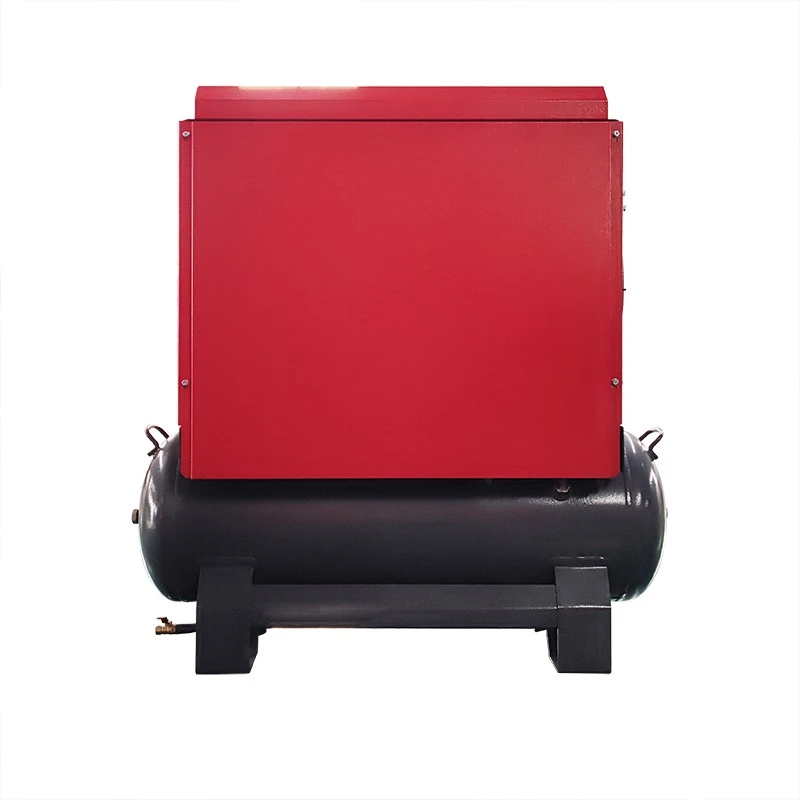
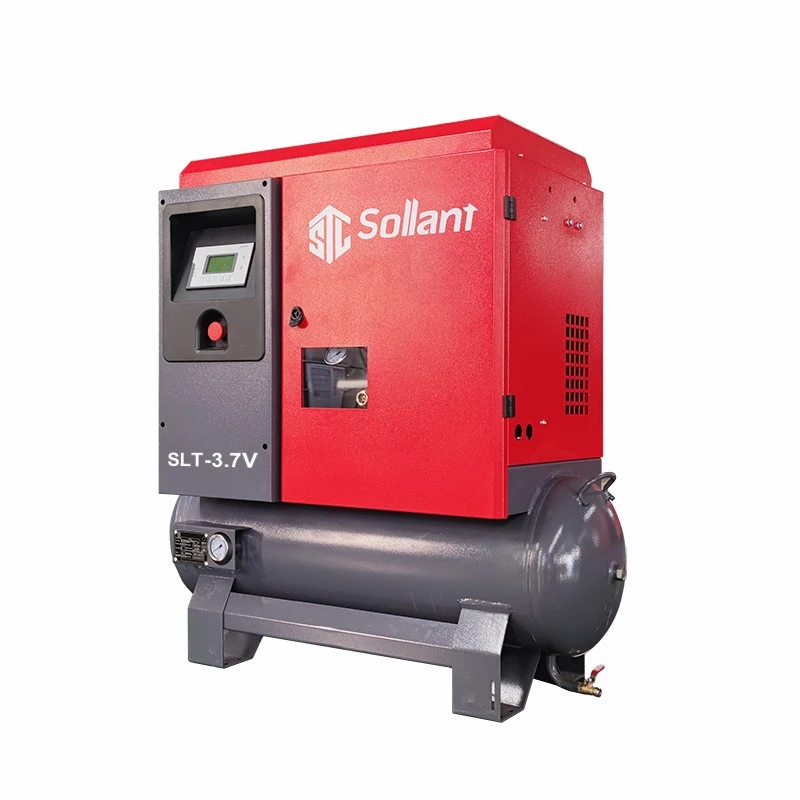
We offer a variety of single phase screw air compressors, such as the 7.5KW Single Phase Screw Air Compressor, the 4.5KW Single Phase Screw Air Compressor, and the Sollant 3.7KW Single Phase Rotary Screw Air Compressor. Each type may have specific transport requirements.
Larger compressors, like the 7.5KW model, are heavier and bulkier. They may require a larger transport vehicle and more robust packaging. Specialized lifting equipment may also be needed to load and unload them. Smaller compressors, such as the 3.7KW Sollant model, are more portable but still need proper protection during transport. They can be packed in a smaller crate or box, but the same principles of inspection, cleaning, and securing apply.
Conclusion
Transporting a single phase screw air compressor safely requires careful planning and attention to detail. By following the steps outlined above, you can minimize the risk of damage and ensure that the compressor arrives at its destination in good working condition. As a supplier, we are committed to providing high - quality single phase screw air compressors and also offer guidance on their safe transport. If you are interested in purchasing a single phase screw air compressor or have any questions about transport, please feel free to contact us for further discussion and procurement negotiation.
References
- Manufacturer's manuals for single phase screw air compressors
- Industry best practices for transporting heavy equipment