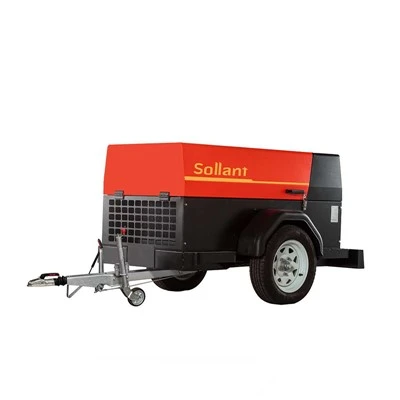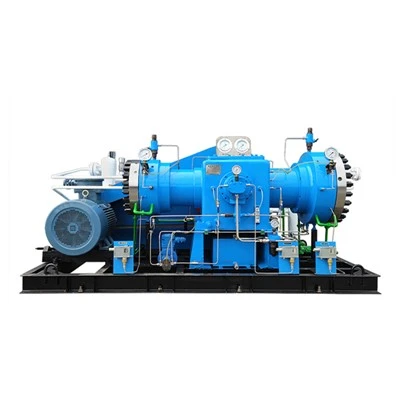
Hey there! As a supplier of fixed speed screw air compressors, I've seen firsthand the importance of transporting these machines safely. Whether you're shipping a small 7.5KW Screw Air Compressor across town or a big 315KW Screw Air Compressor overseas, getting it right is crucial. In this blog, I'll share some tips on how to transport a fixed speed screw air compressor safely.
Pre - transport Preparation
Inspection
Before you even think about moving the compressor, give it a thorough inspection. Check for any signs of damage, loose parts, or leaks. Make sure all the gauges and controls are in working order. If you find any issues, it's best to fix them before transport. This not only ensures the compressor's safety during transit but also helps prevent any further damage.
Cleaning
A clean compressor is easier to handle and inspect. Remove any dirt, debris, or oil from the surface of the compressor. This also helps in identifying any potential problems that might be hidden under the grime. Plus, a clean compressor looks better and gives a good impression to the recipient.
Drainage
If your compressor has any fluids, such as oil or coolant, drain them properly. This reduces the weight of the compressor and also prevents any spills during transport. Make sure to follow the proper disposal procedures for these fluids.
Disassembly (if necessary)
For larger compressors or when space is limited, you might need to disassemble some parts. However, this should be done carefully. Keep track of all the parts and label them clearly. Make sure you have the necessary tools and instructions to reassemble the compressor at the destination.
Packaging
Custom - made Crates
Invest in high - quality, custom - made crates for your compressor. These crates should be designed to fit the compressor snugly, providing maximum protection. The crate should be made of sturdy materials, such as wood or metal, and should be able to withstand the rigors of transport.
Padding
Inside the crate, use plenty of padding materials like foam, bubble wrap, or packing peanuts. This helps absorb any shocks and vibrations during transit. Pay special attention to delicate parts like the control panel and gauges.
Securing the Compressor
Once the compressor is placed in the crate, secure it firmly. Use straps, bolts, or other fastening methods to prevent the compressor from moving around inside the crate. This reduces the risk of damage caused by impacts.
Choosing the Right Transport Method
Local Transport
For local transport, a flatbed truck or a van might be sufficient. Make sure the vehicle is in good condition and has the necessary equipment to load and unload the compressor safely. If possible, use a vehicle with a lift gate to make the loading and unloading process easier.
Long - distance or International Transport
When shipping the compressor over long distances or overseas, you have several options. You can choose between air freight, sea freight, or road transport. Air freight is the fastest but also the most expensive. Sea freight is more cost - effective for large compressors but takes longer. Road transport can be a good option for neighboring countries or regions.
Loading and Unloading
Professional Handling
It's always a good idea to hire professional handlers for loading and unloading the compressor. These people have the experience and equipment to do the job safely. They know how to use forklifts, cranes, and other lifting equipment properly.
Safety Precautions
During loading and unloading, make sure all safety precautions are followed. Wear appropriate safety gear, such as hard hats, safety glasses, and gloves. Make sure the area is clear of any obstacles and that the lifting equipment is in good working condition.
Monitoring During Transport
Tracking
Use a tracking system to monitor the compressor during transport. This allows you to keep an eye on its location and estimated time of arrival. You can also be notified if there are any delays or issues along the way.


Temperature and Humidity
Some compressors are sensitive to temperature and humidity. If this is the case, consider using a transport method that can control these environmental factors. For example, some shipping containers are equipped with temperature and humidity control systems.
Post - transport Checks
Re - inspection
Once the compressor arrives at its destination, give it another inspection. Check for any damage that might have occurred during transport. Make sure all the parts are in place and that the compressor is still in working order.
Reassembly (if necessary)
If the compressor was disassembled for transport, reassemble it according to the instructions. Make sure all the parts are properly connected and tightened.
Testing
After reassembly, test the compressor to make sure it's working properly. Start it up and check for any abnormal noises, vibrations, or leaks. If you notice any problems, contact a professional technician to fix them.
Conclusion
Transporting a fixed speed screw air compressor safely requires careful planning and attention to detail. From pre - transport preparation to post - transport checks, every step is important. By following these tips, you can ensure that your compressor arrives at its destination in good condition.
If you're in the market for a fixed speed screw air compressor, we offer a wide range of options, including the 7.5KW Screw Air Compressor, 18.5KW Rotary Screw Air Compressor, and 315KW Screw Air Compressor. We're here to help you with all your compressor needs, including safe transport. Don't hesitate to reach out if you have any questions or if you're interested in making a purchase.
References
- Industry best practices for transporting heavy machinery.
- Manufacturer's guidelines for fixed speed screw air compressors.