Hey there! As a supplier of biogas compressors, I've seen my fair share of issues with these machines. One of the most common problems that customers come to me with is overheating. It's a real headache, but don't worry – I've got some tips and tricks to help you solve this issue.
First off, let's talk about why biogas compressors overheat in the first place. There are a few different factors that can contribute to this problem. One of the main causes is poor ventilation. If your compressor is located in a small, enclosed space with limited airflow, it's going to have a hard time dissipating heat. This can lead to the compressor overheating and potentially causing damage to the machine.
Another common cause of overheating is a dirty or clogged air filter. The air filter is responsible for keeping dust and debris out of the compressor, but over time, it can become clogged with dirt and other particles. When this happens, the compressor has to work harder to draw in air, which can cause it to overheat.
A third factor that can contribute to overheating is a malfunctioning cooling system. Biogas compressors typically have a cooling system that helps to regulate the temperature of the machine. If this system isn't working properly, the compressor can overheat. This could be due to a variety of issues, such as a leak in the cooling system, a malfunctioning fan, or a clogged radiator.
So, now that we know some of the common causes of overheating, let's talk about how to solve this problem. The first thing you should do is make sure that your compressor is located in a well-ventilated area. If possible, try to place the compressor in an open space where there is plenty of airflow. You can also use a fan to help circulate the air around the compressor and keep it cool.
Next, you should check the air filter and make sure that it's clean. If the air filter is dirty or clogged, you should replace it as soon as possible. This will help to ensure that the compressor is able to draw in air easily and prevent it from overheating.
If you suspect that the cooling system is the problem, you should have it inspected by a professional. They will be able to diagnose the issue and make any necessary repairs. This could involve fixing a leak in the cooling system, replacing a malfunctioning fan, or cleaning the radiator.
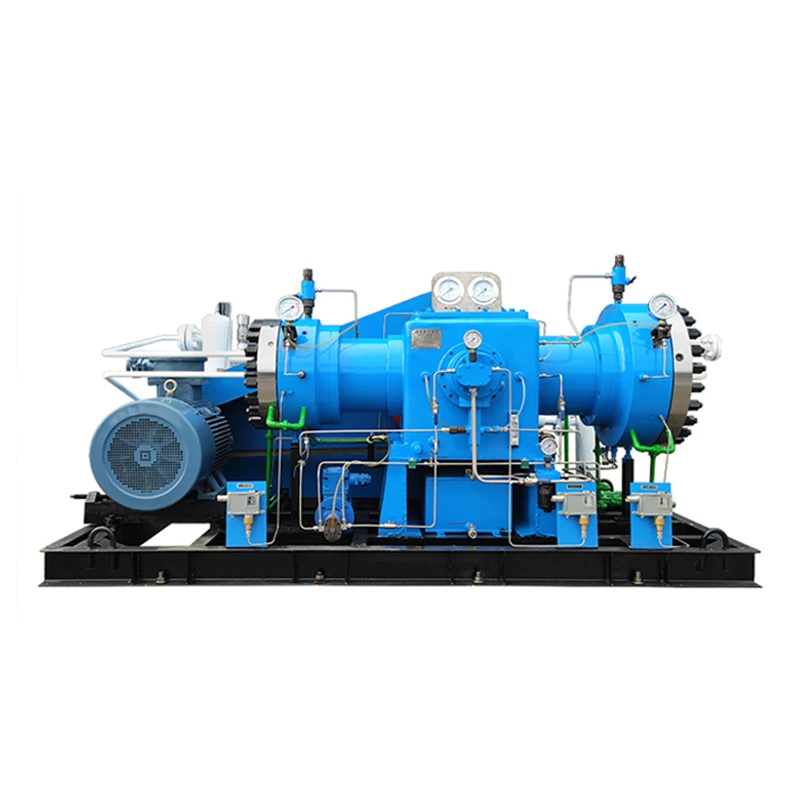

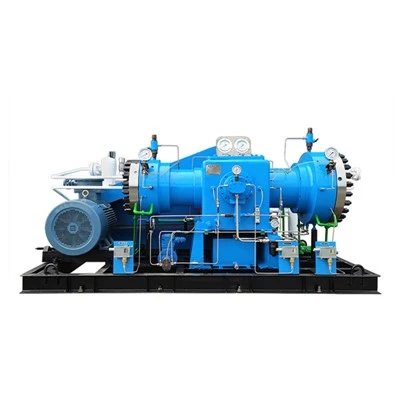
In addition to these steps, there are a few other things you can do to help prevent your biogas compressor from overheating. One thing you can do is to monitor the temperature of the compressor regularly. Most biogas compressors have a temperature gauge that you can use to keep an eye on the temperature of the machine. If you notice that the temperature is getting too high, you should take action to cool the compressor down.
Another thing you can do is to make sure that the compressor is properly lubricated. The lubrication system helps to reduce friction and heat in the compressor, which can help to prevent it from overheating. You should follow the manufacturer's recommendations for lubrication and make sure that the compressor is lubricated regularly.
Finally, you should make sure that you're using the compressor correctly. Overloading the compressor or running it for extended periods of time can cause it to overheat. You should follow the manufacturer's recommendations for usage and make sure that you're not pushing the compressor too hard.
So, there you have it – some tips and tricks for solving the overheating problem of a biogas compressor. By following these steps, you should be able to keep your compressor running smoothly and prevent it from overheating.
If you're in the market for a biogas compressor or if you have any questions about our products, please don't hesitate to contact us. We're a leading supplier of Gas Compressor, Nitrogen Compressor, and Natural Gas Compressor, and we're committed to providing our customers with high-quality products and excellent customer service.
We can help you find the right compressor for your needs and provide you with all the information and support you need to keep it running smoothly. Whether you're a small business owner or a large industrial facility, we have the expertise and experience to help you find the right solution.
So, what are you waiting for? Contact us today and let's start talking about how we can help you with your biogas compressor needs.
References
- Manufacturer's manuals for biogas compressors
- Industry best practices for compressor maintenance and operation