Finding a reliable biogas compressor supplier is a crucial step for businesses and projects involved in biogas utilization. As a biogas compressor supplier myself, I understand the challenges that customers face in making this important decision. In this blog, I'll share some insights on how to find a trustworthy supplier that can meet your specific needs.
Understanding Your Requirements
Before you start searching for a biogas compressor supplier, it's essential to have a clear understanding of your requirements. Biogas compressors are used in various applications, such as biogas upgrading, vehicle fueling, and power generation. Each application has different requirements in terms of compression ratio, flow rate, pressure, and gas composition.
For example, if you're planning to use biogas as a vehicle fuel, you'll need a compressor that can achieve high pressures (usually around 200 - 250 bar) and has a relatively high flow rate to fill the vehicle's tank in a reasonable time. On the other hand, if you're using biogas for power generation, the pressure requirements may be lower, but the compressor needs to be reliable and efficient for continuous operation.
Consider the scale of your project as well. A small - scale domestic biogas plant will have different needs compared to a large - scale industrial biogas project. Make a detailed list of your requirements, including the technical specifications, expected lifespan of the compressor, and any special features you may need.
Researching Potential Suppliers
Once you have a clear idea of your requirements, it's time to start researching potential suppliers. There are several ways to do this:
Online Search
The internet is a great place to start. Use search engines to look for biogas compressor suppliers. You can also visit industry - specific websites, forums, and directories. Look for suppliers that have a professional - looking website with detailed information about their products, services, and company history.
Industry Events and Trade Shows
Attending industry events and trade shows is an excellent way to meet suppliers in person. You can see their products on display, talk to their representatives, and get a feel for their company culture. These events also provide an opportunity to network with other professionals in the biogas industry and get recommendations.
Referrals
Ask for referrals from colleagues, business partners, or other industry professionals who have experience with biogas compressors. They can provide valuable insights based on their own experiences and recommend reliable suppliers.
Evaluating Supplier Credibility
After you have a list of potential suppliers, the next step is to evaluate their credibility. Here are some factors to consider:
Experience and Reputation
Look for suppliers with a long - standing presence in the biogas compressor industry. A company that has been in business for many years is more likely to have the expertise and experience to produce high - quality compressors. Check online reviews, testimonials, and case studies to see what other customers have to say about the supplier. A good reputation is a strong indicator of reliability.
Certifications and Standards
Ensure that the supplier's products meet relevant industry standards and certifications. For biogas compressors, certifications such as ISO 9001 (quality management system), ISO 14001 (environmental management system), and CE (Conformité Européene) are important. These certifications demonstrate that the supplier follows strict quality and safety standards in their manufacturing processes.
Technical Support and After - Sales Service
A reliable supplier should offer comprehensive technical support and after - sales service. Biogas compressors are complex machines that may require maintenance, repairs, and occasional upgrades. Make sure the supplier has a team of qualified technicians who can provide prompt assistance when needed. Ask about their warranty policies and the availability of spare parts.
Comparing Product Features
When evaluating suppliers, it's important to compare the features of their biogas compressors. Here are some key features to consider:
Compression Technology
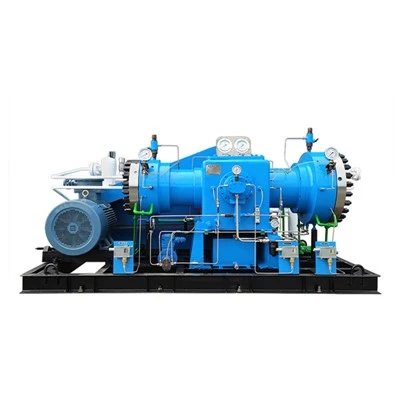
There are different types of compression technologies available for biogas compressors, such as reciprocating compressors, screw compressors, and diaphragm compressors. Each technology has its own advantages and disadvantages in terms of efficiency, reliability, and cost. For example, reciprocating compressors are known for their high pressure capabilities, while screw compressors are often more efficient for continuous operation.
Energy Efficiency
Energy efficiency is an important consideration, as it can significantly impact the operating costs of your biogas project. Look for compressors that are designed to minimize energy consumption without sacrificing performance. Some compressors may have features such as variable speed drives or advanced control systems that can optimize energy usage.
Gas Compatibility
Biogas can have different compositions depending on its source. Make sure the compressor is compatible with the specific gas composition of your biogas. Some compressors may require additional modifications or components to handle certain gas contaminants or high levels of moisture.
Cost Considerations
Cost is always a factor when choosing a biogas compressor supplier. However, it's important not to make your decision based solely on price. A lower - priced compressor may end up costing you more in the long run if it has poor quality, requires frequent repairs, or has high energy consumption.
When comparing prices, consider the total cost of ownership, which includes the purchase price, installation costs, operating costs, maintenance costs, and the expected lifespan of the compressor. Request quotes from multiple suppliers and compare them carefully. Make sure the quotes include all the necessary components, installation services, and any additional fees.
Additional Product Offerings
Some suppliers may offer a range of related products in addition to biogas compressors. For example, you may also be interested in Nitrogen Compressor, Ammonia Compressor, or Natural Gas Compressor. A supplier that can provide multiple types of compressors may be more convenient and may offer better integration and compatibility between different systems.
Making the Decision
After evaluating all the factors, it's time to make a decision. Choose a supplier that meets your requirements in terms of product features, credibility, and cost. Don't be afraid to ask for references or to visit the supplier's manufacturing facility if possible. This can give you a better understanding of their production processes and quality control measures.
Once you've selected a supplier, establish clear communication channels and ensure that you have a detailed contract in place. The contract should include all the terms and conditions, such as the delivery date, payment terms, warranty, and after - sales service.
Conclusion
Finding a reliable biogas compressor supplier is a complex but important process. By understanding your requirements, researching potential suppliers, evaluating their credibility, comparing product features, and considering cost, you can make an informed decision that will ensure the success of your biogas project.
If you're in the process of looking for a biogas compressor supplier, I encourage you to reach out to us. We have years of experience in the biogas compressor industry, and our products are known for their high quality, reliability, and energy efficiency. We offer comprehensive technical support and after - sales service to ensure that your biogas compressor operates smoothly. Contact us today to discuss your specific needs and start the procurement process.


References
- Biogas Handbook: Production, Purification and Utilization. Editors: Rajesh Kumar, Sandeep Kumar, and Vimal Chandra Srivastava.
- Compressor Handbook: Principles and Practice. Author: Heinz P. Bloch.
- International Standards for Compressor Manufacturing (ISO 9001, ISO 14001, etc.)