Hey there! As a supplier of LPG compressors, I've seen firsthand how crucial it is to maintain gas purity when using these machines. In this blog post, I'm gonna share some tips and tricks on how to ensure the gas purity when using an LPG compressor. Let's dive right in!
Understanding the Importance of Gas Purity
Before we get into the nitty - gritty of how to ensure gas purity, let's talk about why it's so important. When you're working with LPG compressors, pure gas is essential for a few key reasons.
First off, impure gas can cause damage to the compressor itself. Contaminants in the gas can lead to increased wear and tear on the compressor's components, like valves, pistons, and seals. This not only shortens the lifespan of the compressor but also increases the likelihood of breakdowns and costly repairs.
Secondly, gas purity affects the performance of the equipment that uses the compressed LPG. For example, in industrial processes where LPG is used as a fuel, impure gas can result in inefficient combustion, leading to reduced energy output and higher emissions.
Selecting the Right Compressor
One of the first steps in ensuring gas purity is to choose the right LPG compressor for your needs. There are different types of compressors out there, and each has its own characteristics when it comes to handling gas purity.
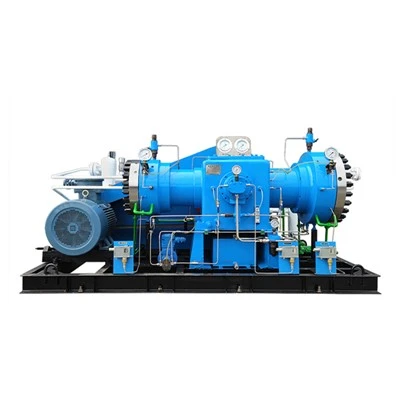
For instance, a Gas Compressor can be a great option. Diaphragm compressors have a hermetic seal that separates the gas from the lubrication system. This means there's less chance of oil or other contaminants getting into the gas stream.


Another type to consider is the Ammonia Compressor. While it's mainly designed for ammonia, the technology used in these compressors can sometimes be adapted for LPG applications. They often have high - precision components that can help maintain gas purity.
And if you're dealing with a mixture that includes natural gas, a Natural Gas Compressor might be suitable. These compressors are engineered to handle the specific properties of natural gas, which can be relevant if your LPG has some natural gas components.
Pre - Compression Gas Treatment
Before the gas even enters the compressor, it's a good idea to treat it. Here are some common pre - compression treatment methods:
Filtration
Installing high - quality filters is a must. Filters can remove solid particles like dust, dirt, and rust from the gas. You should choose filters with a fine pore size to catch even the smallest contaminants. Make sure to regularly check and replace the filters as needed. A clogged filter won't do its job effectively and can actually cause pressure drops, which isn't good for the compressor's performance.
Drying
Moisture in the gas can be a big problem. It can cause corrosion inside the compressor and also lead to the formation of ice in cold conditions, which can damage the compressor's parts. Using a dryer to remove water vapor from the gas is essential. There are different types of dryers available, such as desiccant dryers and refrigerated dryers.
Separation
If there are any liquid hydrocarbons or other immiscible liquids in the gas, a separator can be used. A separator works by using gravity or centrifugal force to separate the liquid from the gas. This helps prevent liquid carry - over into the compressor, which can cause serious damage.
Compressor Operation and Maintenance
Once the gas is ready to enter the compressor, proper operation and maintenance are key to maintaining gas purity.
Lubrication Management
If your compressor uses lubrication, make sure to use the right type of lubricant. Poor - quality lubricants can break down and contaminate the gas. Also, keep an eye on the lubricant level and change it at the recommended intervals. Some compressors have a closed - loop lubrication system that reduces the risk of lubricant getting into the gas, which is a great feature for maintaining gas purity.
Temperature and Pressure Control
Maintaining the right temperature and pressure during compression is crucial. Too high a temperature can cause the gas to break down and form unwanted by - products. On the other hand, incorrect pressure can lead to leaks or inefficient compression. Use sensors and control systems to monitor and adjust the temperature and pressure as needed.
Regular Maintenance
Schedule regular maintenance checks for your compressor. This includes inspecting valves, seals, and gaskets for signs of wear or damage. Replace any worn - out parts immediately to prevent gas leaks and contamination. Also, clean the compressor regularly to remove any built - up dirt or debris.
Post - Compression Gas Quality Monitoring
After the gas has been compressed, it's important to monitor its quality. You can use gas analyzers to check the purity of the compressed gas. These analyzers can detect the presence of contaminants such as sulfur compounds, oxygen, and other impurities.
If the gas quality doesn't meet the required standards, you may need to take corrective actions. This could involve adjusting the pre - compression treatment, performing additional filtration, or even troubleshooting the compressor itself to find out where the contamination is coming from.
Staff Training
Last but not least, make sure your staff is well - trained in handling the LPG compressor and ensuring gas purity. They should know how to operate the equipment correctly, perform maintenance tasks, and recognize the signs of a problem. Provide regular training sessions to keep their knowledge up - to - date.
Conclusion
Ensuring gas purity when using an LPG compressor is a multi - step process. It starts with choosing the right compressor, treating the gas before compression, operating and maintaining the compressor properly, monitoring the gas quality after compression, and training your staff. By following these steps, you can keep your compressor running smoothly and ensure that the compressed gas meets the required purity standards.
If you're in the market for an LPG compressor or have any questions about gas purity and compressor operation, don't hesitate to reach out. We're here to help you find the best solutions for your needs.
References
- Compressor Handbook, various editions
- Gas Processing and Petrochemicals Handbook
- Industry standards and guidelines for LPG compressor operation and gas purity