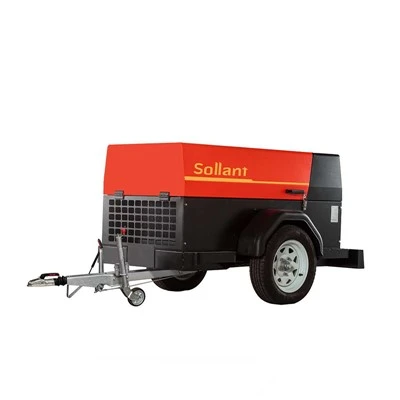
Hey there! As a supplier of diesel air compressors, I've seen my fair share of radiator issues. A clean radiator is crucial for the proper functioning of your diesel air compressor. It helps in maintaining the right temperature, ensuring that your compressor runs smoothly and efficiently. In this blog, I'll walk you through the steps on how to clean the radiator of a diesel air compressor.
Why Cleaning the Radiator is Important
First off, let's talk about why it's so important to keep your radiator clean. The radiator in a diesel air compressor plays a vital role in cooling the engine. Over time, dirt, dust, debris, and even bugs can build up on the radiator fins. This buildup acts as an insulator, preventing the radiator from effectively dissipating heat. When the radiator can't cool the engine properly, it can lead to overheating, which can cause serious damage to the compressor. It can also reduce the efficiency of the compressor, leading to higher fuel consumption and more wear and tear on the engine.
Tools and Materials You'll Need
Before you start cleaning the radiator, you'll need to gather a few tools and materials. Here's what you'll need:
- A soft-bristled brush: This will be used to gently remove loose dirt and debris from the radiator fins.
- Compressed air: A can of compressed air or an air compressor can be used to blow out any stubborn dirt and debris from the radiator.
- A radiator cleaner: You can find radiator cleaners at most auto parts stores. These cleaners are designed to break down and remove grease, oil, and other contaminants from the radiator.
- A garden hose: You'll need a garden hose to rinse the radiator after cleaning.
- Safety goggles and gloves: It's important to protect your eyes and hands when working with chemicals and cleaning agents.
Step-by-Step Guide to Cleaning the Radiator
Now that you have all the necessary tools and materials, let's get started with the cleaning process.
Step 1: Prepare the Compressor
Before you start cleaning the radiator, make sure the compressor is turned off and has cooled down completely. This will prevent any accidents or injuries. You should also disconnect the battery to avoid any electrical shocks.
Step 2: Inspect the Radiator
Take a close look at the radiator to assess the level of dirt and debris. Look for any signs of damage, such as bent or broken fins. If you notice any damage, you may need to replace the radiator or have it repaired by a professional.
Step 3: Remove Loose Dirt and Debris
Use a soft-bristled brush to gently remove any loose dirt and debris from the radiator fins. Be careful not to bend or damage the fins. Start from the top of the radiator and work your way down, brushing in the direction of the fins.
Step 4: Blow Out Stubborn Dirt
Once you've removed the loose dirt and debris, use compressed air to blow out any stubborn dirt and debris from the radiator. Hold the can of compressed air or the air compressor nozzle about 6 inches away from the radiator and blow in short bursts. Start from the top of the radiator and work your way down, making sure to cover the entire surface of the radiator.
Step 5: Apply Radiator Cleaner
If the radiator is still dirty after using the brush and compressed air, it's time to apply a radiator cleaner. Follow the instructions on the cleaner's label carefully. Usually, you'll need to spray the cleaner onto the radiator and let it sit for a few minutes to allow it to penetrate and break down the contaminants.
Step 6: Rinse the Radiator
After the cleaner has had time to work, use a garden hose to rinse the radiator thoroughly. Start from the top of the radiator and work your way down, using a gentle stream of water to avoid bending or damaging the fins. Make sure to rinse all the cleaner off the radiator.
Step 7: Dry the Radiator
Once you've rinsed the radiator, use a clean cloth or towel to dry it off. You can also let it air dry for a few hours before reconnecting the battery and starting the compressor.
Tips for Maintaining a Clean Radiator
Cleaning the radiator of your diesel air compressor is not a one-time task. To keep your radiator in good condition, you should follow these tips:
- Regularly inspect the radiator: Check the radiator for dirt, debris, and damage on a regular basis. This will allow you to catch any issues early and prevent them from becoming major problems.
- Keep the compressor in a clean environment: Try to keep the compressor in a clean, dust-free area. This will reduce the amount of dirt and debris that accumulates on the radiator.
- Use a radiator screen: A radiator screen can help to prevent bugs, leaves, and other debris from getting into the radiator. You can find radiator screens at most auto parts stores.
Our Diesel Air Compressor Range
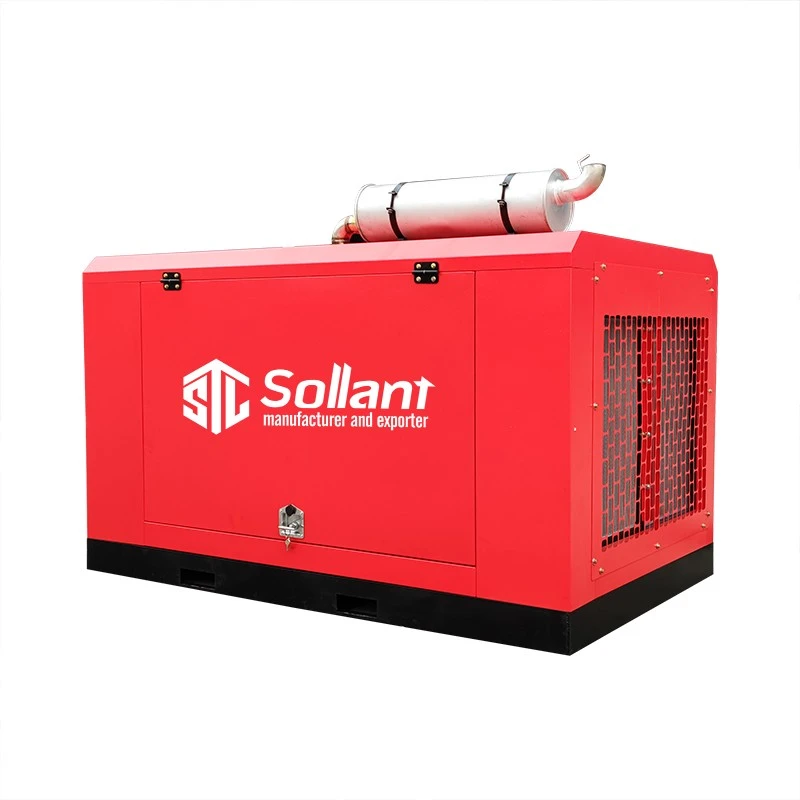
At our company, we offer a wide range of diesel air compressors to meet your needs. Whether you're looking for a Portable Electric Air Compressor for on-the-go use or a Stationary Diesel Air Compressor for a fixed location, we've got you covered. We also have Stationary Electric Air Compressor options available.
If you're in the market for a new diesel air compressor or need any assistance with your existing one, don't hesitate to get in touch. We're here to help you find the right compressor for your needs and ensure that it runs smoothly for years to come. Just reach out to us, and we'll start the conversation about how we can meet your requirements.

References
- "Diesel Air Compressor Maintenance Guide" - Industry-standard maintenance handbook
- "Radiator Cleaning Best Practices" - Technical article from a leading automotive magazine