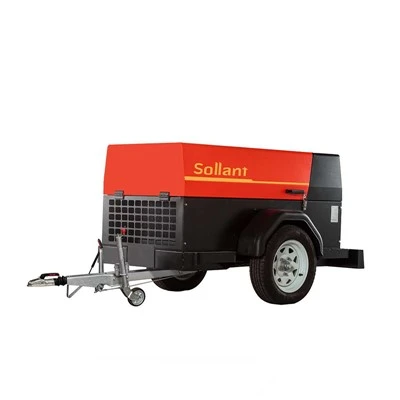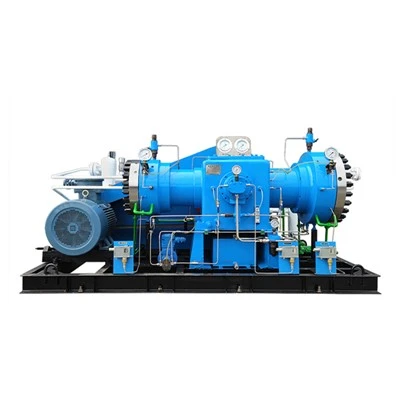
Selecting the right air receiver tank for a diesel air compressor is a critical decision that can significantly impact the performance, efficiency, and longevity of your compressed air system. As a reputable diesel air compressor supplier, we understand the importance of making an informed choice. In this blog post, we'll guide you through the key factors to consider when choosing an air receiver tank for your diesel air compressor.
Understanding the Role of an Air Receiver Tank
An air receiver tank serves as a buffer between the air compressor and the air-consuming equipment. It stores compressed air, allowing the compressor to operate more efficiently by reducing the frequency of starts and stops. This not only extends the lifespan of the compressor but also helps to maintain a consistent air pressure, which is essential for the proper functioning of pneumatic tools and equipment.
Capacity
One of the most important factors to consider when choosing an air receiver tank is its capacity. The capacity of the tank is measured in gallons or liters and determines how much compressed air can be stored. To determine the appropriate capacity for your needs, you need to consider the air demand of your equipment.


If you have high-demand equipment that requires a large volume of compressed air, you'll need a larger tank. On the other hand, if your equipment has a lower air demand, a smaller tank may be sufficient. As a general rule of thumb, you should aim for a tank capacity that is at least three to five times the output of your compressor.
Pressure Rating
Another crucial factor to consider is the pressure rating of the air receiver tank. The pressure rating indicates the maximum pressure that the tank can safely withstand. It's important to choose a tank with a pressure rating that is higher than the maximum pressure output of your compressor.
For example, if your diesel air compressor has a maximum pressure output of 150 psi, you should choose a tank with a pressure rating of at least 175 psi. This ensures that the tank can handle the pressure generated by the compressor without the risk of failure.
Material and Construction
The material and construction of the air receiver tank are also important considerations. Most air receiver tanks are made of steel, which is strong and durable. However, some tanks may be coated with a protective layer to prevent corrosion.
When choosing a tank, look for one that is made of high-quality steel and has a thick wall thickness. This will ensure that the tank can withstand the pressure and is less likely to develop leaks or other issues over time. Additionally, consider the design of the tank, including the shape and size of the inlet and outlet ports, as these can affect the flow of compressed air.
Location and Installation
The location and installation of the air receiver tank are also important factors to consider. The tank should be installed in a well-ventilated area that is away from heat sources and flammable materials. It should also be installed on a stable surface to prevent it from tipping over.
When installing the tank, make sure to follow the manufacturer's instructions carefully. This may include connecting the tank to the compressor using the appropriate fittings and hoses, as well as ensuring that the tank is properly grounded.
Maintenance and Safety
Proper maintenance and safety are essential for the long-term performance and reliability of your air receiver tank. Regular maintenance includes checking the tank for leaks, inspecting the pressure relief valve, and draining the condensate from the tank.
It's also important to follow all safety guidelines when using the air receiver tank. This includes wearing appropriate safety gear, such as safety glasses and gloves, and ensuring that the tank is not over-pressurized.
Types of Air Receiver Tanks
There are several types of air receiver tanks available, each with its own advantages and disadvantages. The most common types include vertical and horizontal tanks.
- Vertical Tanks: Vertical tanks are typically more compact and take up less floor space. They are also easier to install and maintain, as the condensate can be easily drained from the bottom of the tank.
- Horizontal Tanks: Horizontal tanks are larger and can store more compressed air. They are often used in industrial applications where a large volume of compressed air is required.
Choosing the Right Tank for Your Diesel Air Compressor
When choosing an air receiver tank for your diesel air compressor, it's important to consider your specific needs and requirements. Here are some tips to help you make the right choice:
- Determine Your Air Demand: Calculate the air demand of your equipment to determine the appropriate tank capacity.
- Consider the Pressure Rating: Choose a tank with a pressure rating that is higher than the maximum pressure output of your compressor.
- Evaluate the Material and Construction: Look for a tank that is made of high-quality steel and has a thick wall thickness.
- Think About the Location and Installation: Choose a location that is well-ventilated and away from heat sources and flammable materials.
- Consider the Type of Tank: Decide whether a vertical or horizontal tank is best for your needs.
Conclusion
Choosing the right air receiver tank for your diesel air compressor is a crucial decision that can have a significant impact on the performance and efficiency of your compressed air system. By considering the factors discussed in this blog post, you can make an informed choice and ensure that your system operates smoothly and reliably.
If you're in the market for a Diesel Air Compressor or a Stationary Electric Air Compressor or a Stationary Diesel Air Compressor, we're here to help. Our team of experts can provide you with the guidance and support you need to choose the right equipment for your needs. Contact us today to learn more about our products and services and to start the procurement process.
References
- Compressed Air and Gas Institute (CAGI). (n.d.). Air Receiver Tanks. Retrieved from [CAGI Website]
- ASME Boiler and Pressure Vessel Code. (n.d.). Section VIII - Rules for Construction of Pressure Vessels. Retrieved from [ASME Website]