Hey there! As a supplier of Portable Electric Air Compressors, I've seen firsthand how crucial it is to choose the right unit. Whether you're a DIY enthusiast, a professional contractor, or just need an air compressor for occasional use, making the right choice can save you time, money, and a whole lot of headaches. So, let's dive into how you can pick the perfect portable electric air compressor for your needs.
Understanding Your Needs
First things first, you gotta figure out what you'll be using the air compressor for. Are you planning to use it for small tasks around the house, like inflating tires or powering airbrushes? Or do you need it for more heavy-duty jobs, such as running pneumatic tools on a construction site?
If you're just looking to inflate bike tires, sports balls, or car tires every now and then, a small, lightweight compressor with a lower CFM (cubic feet per minute) rating will do the trick. These compressors are usually more affordable and easier to carry around. On the other hand, if you're a contractor who needs to power nail guns, impact wrenches, or spray guns, you'll need a compressor with a higher CFM rating and a larger tank capacity.
CFM and PSI: What Do They Mean?
CFM and PSI are two of the most important specs to consider when choosing an air compressor. PSI, or pounds per square inch, measures the pressure at which the air is delivered. Most pneumatic tools require a specific PSI to operate effectively. For example, a nail gun might require 70 - 120 PSI, while a spray gun could need 30 - 60 PSI.


CFM, on the other hand, measures the volume of air that the compressor can deliver at a given PSI. The higher the CFM rating, the more air the compressor can produce, which means it can power more demanding tools. When looking at the CFM rating, make sure to check the CFM at the PSI required by your tools. For instance, a compressor might be rated at 5 CFM at 40 PSI, but only 3 CFM at 90 PSI.
Tank Size Matters
The tank size of an air compressor determines how much compressed air it can store. A larger tank means the compressor can run tools for longer periods without having to constantly cycle on and off. This is especially important for tools that require a continuous supply of air, like spray guns.
However, a larger tank also means a heavier and bulkier compressor. If you need to move the compressor around a lot, you might want to consider a smaller tank size. Keep in mind that a smaller tank compressor will need to cycle on more frequently to maintain the required pressure, which can lead to more wear and tear on the motor.
Power Source
Since we're talking about portable electric air compressors, the power source is usually electricity. But there are different types of electrical connections to consider. Some compressors are designed to be plugged into a standard household outlet (120V), while others require a 240V outlet, which is typically found in a garage or workshop.
If you plan to use the compressor in different locations, a 120V compressor might be more convenient. However, 240V compressors generally have more power and can deliver a higher CFM, making them better suited for heavy-duty applications.
Noise Level
Let's face it, air compressors can be noisy. If you're going to be using the compressor in a residential area or a shared workspace, you'll want to choose a model with a lower noise level. Look for compressors that are advertised as "quiet" or have noise-reducing features, such as a sound-insulated enclosure.
Portability Features
As the name suggests, portability is a key factor when choosing a portable electric air compressor. Look for features like wheels and a handle to make it easier to move the compressor around. Some compressors also come with a compact design that makes them easy to store in a tight space.
Brand and Quality
When it comes to air compressors, you get what you pay for. It's worth investing in a reputable brand that offers high-quality products and good customer support. Read reviews from other users to get an idea of the reliability and performance of different models.
Comparing with Other Types of Compressors
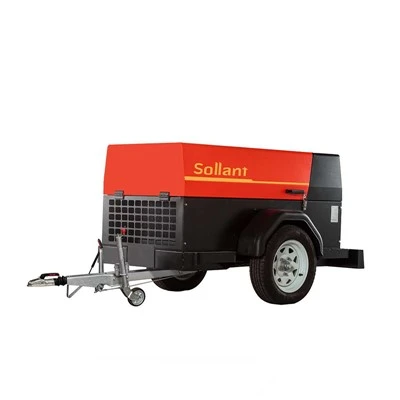
While we're focusing on portable electric air compressors, it's worth mentioning other types of compressors, such as Diesel Air Compressor and Stationary Diesel Air Compressor. Diesel compressors are often used in remote locations where electricity is not available. They are more powerful and can run for longer periods without refueling. However, they are also louder, more expensive to operate, and require more maintenance.
Making the Decision
Once you've considered all these factors, it's time to make a decision. Make a list of your requirements and compare different models based on their specs, features, and price. Don't be afraid to ask questions and get advice from the supplier.
At Portable Electric Air Compressor, we offer a wide range of portable electric air compressors to suit different needs and budgets. Our team of experts is always ready to help you find the perfect compressor for your application.
If you're interested in purchasing a portable electric air compressor, we'd love to hear from you. Contact us to discuss your requirements and get a quote. We're committed to providing high-quality products and excellent customer service.
References
- Compressor Handbook, various editions
- Online reviews and user forums for air compressors
- Manufacturer specifications and product literature