As a seasoned provider of Adsorption Air Dryers, I often encounter inquiries regarding the energy consumption of these essential pieces of equipment. In this blog, I'll delve into the factors that influence the energy usage of adsorption air dryers, providing you with a comprehensive understanding of how much energy they typically consume.
Understanding Adsorption Air Dryers
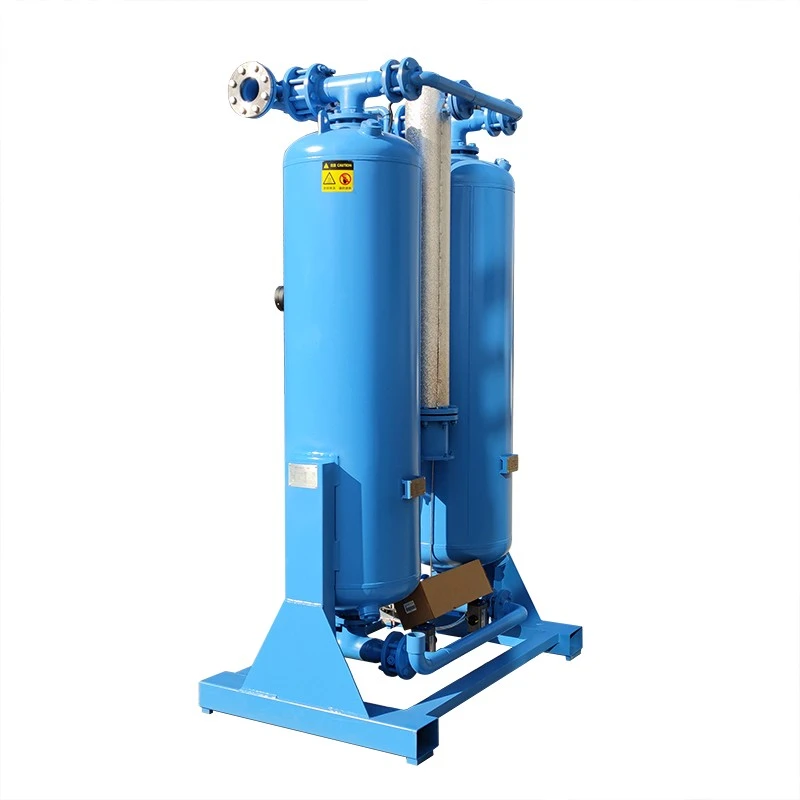
Before we discuss energy consumption, let's briefly review what an Adsorption Air Dryer is and how it works. Adsorption air dryers are designed to remove moisture from compressed air by passing it through a bed of desiccant material. The desiccant adsorbs the water vapor, leaving the compressed air dry and suitable for various industrial applications.
There are two main types of adsorption air dryers: heatless and heated. Heatless dryers use a portion of the dried air to regenerate the desiccant bed, while heated dryers use an external heat source to speed up the regeneration process. Each type has its own advantages and energy consumption characteristics.
Factors Affecting Energy Consumption
Several factors can influence the energy consumption of an adsorption air dryer. Understanding these factors can help you optimize the performance of your dryer and reduce energy costs.
1. Dryer Size and Capacity
The size and capacity of the adsorption air dryer play a significant role in its energy consumption. Larger dryers with higher flow rates generally require more energy to operate. When selecting a dryer, it's important to choose one that is appropriately sized for your specific application. Oversizing a dryer can lead to unnecessary energy consumption, while undersizing can result in poor drying performance.
2. Operating Pressure
The operating pressure of the compressed air system also affects the energy consumption of the adsorption air dryer. Higher operating pressures typically require more energy to compress the air and regenerate the desiccant bed. It's important to maintain the recommended operating pressure for your dryer to ensure efficient operation.
3. Regeneration Method
As mentioned earlier, there are two main types of adsorption air dryers: heatless and heated. Heatless dryers use a portion of the dried air to regenerate the desiccant bed, which can result in a significant loss of compressed air. Heated dryers, on the other hand, use an external heat source to speed up the regeneration process, which can reduce the amount of compressed air required for regeneration. However, heated dryers also consume more electrical energy to operate the heating element.
4. Ambient Conditions
The ambient temperature and humidity can also affect the energy consumption of the adsorption air dryer. Higher ambient temperatures and humidity levels can increase the moisture content of the incoming compressed air, which requires more energy to remove. In addition, high ambient temperatures can reduce the efficiency of the dryer's cooling system, which can also increase energy consumption.
Energy Consumption Comparison
To give you a better idea of the energy consumption of different types of adsorption air dryers, let's compare the energy usage of a heatless dryer and a heated dryer.
Heatless Adsorption Air Dryer
Heatless adsorption air dryers typically consume between 12% and 18% of the compressed air flow for regeneration. For example, if you have a compressed air system with a flow rate of 1000 cubic feet per minute (CFM), a heatless dryer would consume between 120 and 180 CFM of compressed air for regeneration. This can result in a significant loss of compressed air and increased energy costs.
Heated Adsorption Air Dryer
Heated adsorption air dryers typically consume less compressed air for regeneration than heatless dryers. However, they also consume electrical energy to operate the heating element. The energy consumption of a heated dryer depends on the size of the dryer, the operating temperature, and the duration of the regeneration cycle. On average, a heated dryer consumes between 3 and 5 kilowatts (kW) of electrical energy per hour.
Energy Saving Tips
Here are some tips to help you reduce the energy consumption of your adsorption air dryer:

1. Choose the Right Dryer
As mentioned earlier, it's important to choose an adsorption air dryer that is appropriately sized for your specific application. Oversizing a dryer can lead to unnecessary energy consumption, while undersizing can result in poor drying performance.
2. Optimize the Operating Pressure
Maintaining the recommended operating pressure for your dryer can help reduce energy consumption. Higher operating pressures typically require more energy to compress the air and regenerate the desiccant bed.
3. Use a Heat Recovery System
If you have a heated adsorption air dryer, consider using a heat recovery system to capture the waste heat from the regeneration process. This can help reduce the amount of electrical energy required to operate the heating element and lower your energy costs.
4. Install an Air Compressor Inline Filter
Installing an air compressor inline filter can help remove contaminants from the incoming compressed air, which can reduce the load on the adsorption air dryer and improve its efficiency.
5. Maintain the Dryer Regularly
Regular maintenance of your adsorption air dryer is essential to ensure its efficient operation. This includes changing the desiccant bed, cleaning the filters, and checking the dryer's performance regularly.
Conclusion
In conclusion, the energy consumption of an adsorption air dryer depends on several factors, including the dryer size and capacity, operating pressure, regeneration method, and ambient conditions. By understanding these factors and implementing the energy saving tips outlined in this blog, you can optimize the performance of your dryer and reduce energy costs.
If you're in the market for an adsorption air dryer or have any questions about energy consumption, please don't hesitate to contact us. Our team of experts is here to help you choose the right dryer for your specific application and provide you with the support you need to ensure its efficient operation.
References
- Compressed Air and Gas Institute (CAGI). "Adsorption Air Dryers: Principles and Applications."
- Air Movement and Control Association International (AMCA). "Standard 210-07: Laboratory Methods of Testing Fans for Certified Aerodynamic Performance Rating."
- ASHRAE Handbook: HVAC Systems and Equipment. American Society of Heating, Refrigerating and Air-Conditioning Engineers (ASHRAE).