Adiabatic efficiency is a crucial parameter that significantly impacts the performance of an oxygen compressor. As a supplier of oxygen compressors, understanding this relationship is essential for providing high - quality products and meeting the diverse needs of our customers.


Understanding Adiabatic Efficiency
Adiabatic efficiency is defined as the ratio of the work required for an ideal adiabatic compression process to the actual work input in a real compression process. In an ideal adiabatic process, there is no heat transfer between the gas being compressed and its surroundings. However, in reality, heat transfer occurs due to factors such as friction, heat conduction through compressor components, and non - ideal gas behavior.
The adiabatic efficiency of a compressor is typically expressed as a percentage. A higher adiabatic efficiency indicates that the compressor is closer to the ideal adiabatic compression process, meaning less energy is wasted in the form of heat and other losses. For oxygen compressors, achieving high adiabatic efficiency is of utmost importance for several reasons.
Impact on Energy Consumption
One of the most significant effects of adiabatic efficiency on the performance of an oxygen compressor is its impact on energy consumption. Oxygen compressors are often used in industrial processes where large amounts of oxygen need to be compressed to high pressures. These processes can be energy - intensive, and any improvement in adiabatic efficiency can lead to substantial energy savings.
When the adiabatic efficiency of a compressor is low, more energy is required to achieve the desired compression ratio. This is because a significant portion of the input energy is dissipated as heat rather than being used for the actual compression of the oxygen gas. For example, in a low - efficiency compressor, the motor may need to work harder to overcome the internal losses, resulting in higher electricity bills for the end - user.
On the other hand, a compressor with high adiabatic efficiency can compress the same amount of oxygen using less energy. This not only reduces operating costs but also makes the overall process more environmentally friendly by reducing the carbon footprint associated with energy consumption. As a supplier, we strive to offer oxygen compressors with high adiabatic efficiency to help our customers save on energy costs and meet their sustainability goals.
Influence on Compression Ratio and Discharge Temperature
Adiabatic efficiency also affects the compression ratio and discharge temperature of an oxygen compressor. The compression ratio is the ratio of the discharge pressure to the suction pressure of the compressor. In an ideal adiabatic compression process, the relationship between the compression ratio and the temperature change of the gas is well - defined.
However, in a real compressor with lower adiabatic efficiency, the actual temperature rise during compression is higher than that predicted by the ideal adiabatic model. This is because the additional energy losses in the form of heat increase the internal energy of the gas, leading to a higher discharge temperature. High discharge temperatures can be problematic for oxygen compressors for several reasons.
Firstly, oxygen is a highly reactive gas, and high temperatures can increase the risk of combustion or explosion. Therefore, it is essential to keep the discharge temperature within safe limits. A compressor with low adiabatic efficiency may require additional cooling systems to maintain the discharge temperature at a safe level, which adds to the complexity and cost of the overall system.
Secondly, high discharge temperatures can also reduce the lifespan of compressor components. The increased thermal stress on the compressor parts can lead to premature wear and tear, resulting in more frequent maintenance and replacement costs. By improving the adiabatic efficiency of the compressor, we can reduce the discharge temperature, thereby enhancing the safety and reliability of the oxygen compression process.
Impact on Compressor Capacity and Throughput
The adiabatic efficiency of an oxygen compressor also has an impact on its capacity and throughput. Compressor capacity refers to the volume of gas that the compressor can handle per unit of time, while throughput is the mass flow rate of the gas through the compressor.
A compressor with low adiabatic efficiency may experience a reduction in capacity and throughput. This is because the additional energy losses in the compression process can cause the compressor to operate less efficiently, resulting in a lower volume of gas being compressed per unit of time. In some cases, the compressor may not be able to meet the required demand for oxygen, leading to production bottlenecks in industrial processes.
In contrast, a compressor with high adiabatic efficiency can operate more effectively, allowing it to handle larger volumes of oxygen at a faster rate. This is particularly important in applications where a continuous supply of compressed oxygen is required, such as in the steelmaking industry or in medical oxygen generation plants. As a supplier, we understand the importance of providing oxygen compressors with high adiabatic efficiency to ensure that our customers can meet their production requirements.
Comparison with Other Types of Compressors
It is also interesting to compare the adiabatic efficiency of oxygen compressors with other types of compressors, such as Diaphragm Compressor, Natural Gas Compressor, and Nitrogen Compressor. Each type of compressor has its own characteristics and performance parameters, and the adiabatic efficiency can vary significantly depending on the design and operating conditions.
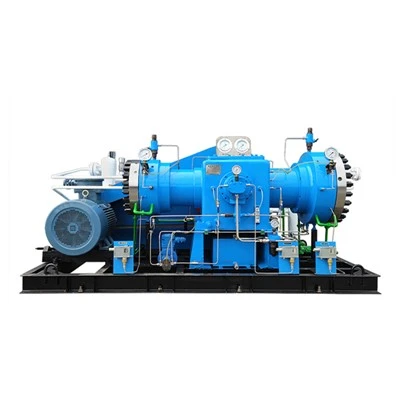
Diaphragm compressors are known for their high - pressure capabilities and excellent sealing properties. They typically have relatively high adiabatic efficiencies, especially in applications where a high degree of purity is required. Natural gas compressors, on the other hand, are designed to handle large volumes of natural gas and may have different efficiency characteristics depending on the type of compression technology used, such as reciprocating or centrifugal compression.
Nitrogen compressors are often used in applications where a non - reactive gas needs to be compressed. The adiabatic efficiency of nitrogen compressors can also vary, but in general, they share some similarities with oxygen compressors in terms of the factors that affect their performance.
Improving Adiabatic Efficiency
As a supplier of oxygen compressors, we are constantly working on improving the adiabatic efficiency of our products. There are several ways to achieve this, including optimizing the compressor design, using high - quality materials, and implementing advanced control systems.
Optimizing the compressor design involves carefully selecting the compression ratio, the number of compression stages, and the geometry of the compressor components. For example, using a multi - stage compression process can help to reduce the temperature rise during compression and improve the overall adiabatic efficiency. Additionally, the use of advanced materials with low friction coefficients can reduce the energy losses due to friction, further enhancing the efficiency of the compressor.
Advanced control systems can also play a crucial role in improving adiabatic efficiency. These systems can monitor the operating conditions of the compressor in real - time and adjust the compressor settings accordingly to ensure optimal performance. For example, the control system can adjust the speed of the compressor motor based on the demand for oxygen, thereby reducing energy consumption when the demand is low.
Conclusion
In conclusion, adiabatic efficiency is a critical factor that affects the performance of an oxygen compressor in many ways. It has a significant impact on energy consumption, compression ratio, discharge temperature, compressor capacity, and throughput. As a supplier of oxygen compressors, we are committed to providing high - quality products with high adiabatic efficiency to help our customers save on energy costs, improve the safety and reliability of their processes, and meet their production requirements.
If you are in the market for an oxygen compressor or have any questions about the adiabatic efficiency of our products, please do not hesitate to contact us for more information and to discuss your specific needs. We look forward to the opportunity to work with you and provide you with the best oxygen compression solutions.
References
- "Compressor Handbook" by Heinz P. Bloch and Fred K. Geitner
- "Thermodynamics: An Engineering Approach" by Yunus A. Cengel and Michael A. Boles
- Industry reports on oxygen compressor technology and performance