Hey there! As a supplier of Stationary Electric Air Compressors, I'm super excited to take you on a journey into how these nifty machines work. So, let's dive right in!
The Basics of a Stationary Electric Air Compressor
First off, what's an air compressor? Well, it's a device that takes in air at a certain pressure and squeezes it into a smaller space, increasing its pressure. A stationary electric air compressor, as the name suggests, is designed to stay in one place and is powered by electricity.
These compressors are used in a wide range of applications, from small workshops to large industrial settings. They're great for powering pneumatic tools like nail guns, impact wrenches, and spray guns. They're also used in processes like air conditioning, refrigeration, and even in some manufacturing processes where compressed air is needed.
The Main Components
To understand how a stationary electric air compressor works, we need to take a look at its main components.
Electric Motor
The heart of the compressor is the electric motor. This is what provides the power to run the compressor. When you turn on the compressor, the electric motor starts spinning. The size and power of the motor depend on the size and capacity of the compressor. A small compressor for home use might have a motor with a power rating of around 1 - 2 horsepower (HP), while a large industrial compressor could have a motor with a rating of 50 HP or more.
Compression Chamber
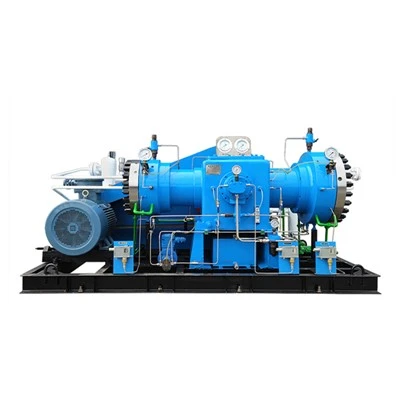
The compression chamber is where the magic happens. It's a sealed space where the air is compressed. There are different types of compression chambers, but the most common ones are reciprocating and rotary.
- Reciprocating Compression Chambers: These use a piston that moves up and down inside a cylinder. As the piston moves down, it creates a vacuum that sucks air into the cylinder through an intake valve. When the piston moves up, it compresses the air in the cylinder. The compressed air is then pushed out through an exhaust valve into a storage tank.
- Rotary Compression Chambers: Rotary compressors use two rotating elements, like screws or vanes, to compress the air. As the elements rotate, they trap air between them and gradually reduce the volume of the air, increasing its pressure. Rotary compressors are generally more efficient and quieter than reciprocating compressors, but they're also more expensive.
Storage Tank
The storage tank is where the compressed air is stored. It acts as a buffer, allowing the compressor to run intermittently. When the pressure in the tank drops below a certain level, the compressor kicks in to refill the tank. The size of the storage tank depends on the application. A small compressor for home use might have a tank with a capacity of 5 - 10 gallons, while a large industrial compressor could have a tank with a capacity of several hundred gallons.
Pressure Switch
The pressure switch is an important safety feature. It monitors the pressure in the storage tank and automatically turns the compressor on and off. When the pressure in the tank drops to a pre - set low level, the pressure switch sends a signal to the electric motor to start running. When the pressure in the tank reaches a pre - set high level, the pressure switch sends a signal to the electric motor to stop running.
Valves
There are several valves in a stationary electric air compressor. The intake valve allows air to enter the compression chamber, and the exhaust valve allows the compressed air to leave the compression chamber and enter the storage tank. There are also safety valves that open if the pressure in the tank gets too high, preventing the tank from exploding.
The Working Process
Now that we know the main components, let's take a look at the working process of a stationary electric air compressor.
Intake Stroke
When you turn on the compressor, the electric motor starts spinning. In a reciprocating compressor, the piston starts moving down inside the cylinder. As the piston moves down, it creates a vacuum in the cylinder. The intake valve opens, and air is sucked into the cylinder from the atmosphere.
Compression Stroke
Once the cylinder is filled with air, the piston starts moving up. As the piston moves up, it compresses the air in the cylinder. The pressure of the air increases as its volume decreases. When the pressure of the air in the cylinder reaches a certain level, the exhaust valve opens.


Discharge Stroke
The compressed air is then pushed out of the cylinder through the exhaust valve and into the storage tank. The process repeats itself over and over again, with the piston moving up and down in the cylinder, sucking in air, compressing it, and discharging it into the storage tank.
Pressure Regulation
As the compressed air is stored in the storage tank, the pressure in the tank gradually increases. When the pressure in the tank reaches the pre - set high level, the pressure switch sends a signal to the electric motor to stop running. The compressor then stops working until the pressure in the tank drops to the pre - set low level.
Comparing with Other Types of Air Compressors
It's worth comparing stationary electric air compressors with other types of air compressors, like Stationary Diesel Air Compressor and Portable Electric Air Compressor.
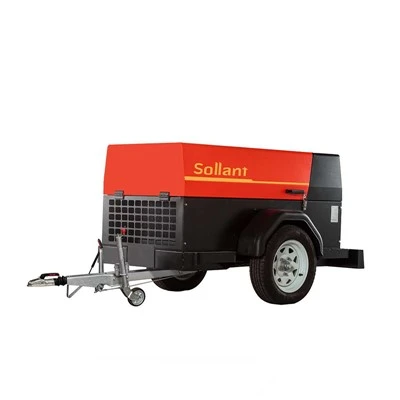
Stationary diesel air compressors are powered by diesel engines instead of electric motors. They're often used in remote locations where there's no access to electricity. Diesel compressors are generally more powerful and can run for longer periods of time without refueling. However, they're also louder, produce more emissions, and require more maintenance than electric compressors.
Portable electric air compressors, on the other hand, are designed to be easily moved from one place to another. They're great for small jobs and for use in different locations. However, they usually have a smaller storage tank and a lower capacity than stationary electric air compressors.
Why Choose Our Stationary Electric Air Compressors
As a supplier of Stationary Electric Air Compressor, we offer a wide range of high - quality compressors. Our compressors are designed to be efficient, reliable, and easy to maintain. We use the latest technology and high - quality materials to ensure that our compressors can meet the needs of our customers, whether they're for home use or industrial applications.
If you're in the market for a stationary electric air compressor, we'd love to hear from you. Whether you have questions about our products, need help choosing the right compressor for your needs, or are ready to place an order, we're here to assist you. Just reach out to us, and we'll start the conversation about how we can meet your air compression needs.
References
- "Air Compressors: Principles and Applications" by Peter Jackson
- "Industrial Air Compressor Handbook" by John Smith