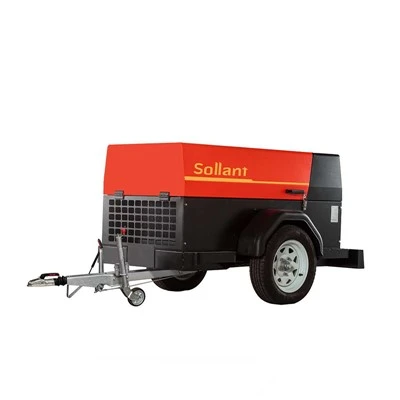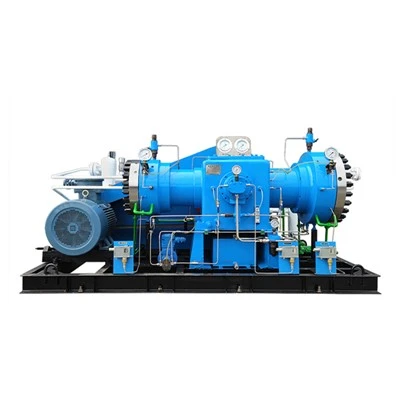
Optimizing the performance of an air compressor air tank is crucial for ensuring efficient and reliable operation in various industrial and commercial applications. As a supplier of Air Compressor Air Tank, I have gained extensive experience in understanding the factors that influence the performance of these tanks. In this blog post, I will share some key strategies and best practices to help you optimize the performance of your air compressor air tank.
Understanding the Basics of an Air Compressor Air Tank
Before delving into optimization strategies, it's important to understand the basic function of an air compressor air tank. The primary role of an air tank is to store compressed air, which can be used to meet fluctuating demand. It helps to smooth out pressure variations, reduce the workload on the compressor, and provide a reserve of compressed air for peak usage periods.
Selecting the Right Size of Air Tank
One of the first steps in optimizing the performance of an air compressor air tank is to select the right size. The size of the tank is determined by several factors, including the compressor's output capacity, the demand for compressed air, and the frequency of use. A tank that is too small may not be able to store enough compressed air to meet the demand, leading to frequent cycling of the compressor. On the other hand, a tank that is too large can be wasteful and increase the initial cost of the system.
To determine the appropriate size of the air tank, you need to consider the following:
- Compressor Output: The output capacity of the compressor is typically measured in cubic feet per minute (CFM). You should choose a tank that can hold enough compressed air to meet the peak demand without causing the compressor to run continuously.
- Demand Profile: Analyze the demand for compressed air in your application. Consider factors such as the number of tools or equipment that will be using the compressed air, the duration of use, and the frequency of peak demand.
- Duty Cycle: The duty cycle of the compressor refers to the percentage of time the compressor is running. A higher duty cycle means the compressor is running more frequently, which may require a larger air tank to store enough compressed air.
Proper Installation and Placement
The installation and placement of the air compressor air tank also play a significant role in its performance. Here are some key considerations:
- Level Surface: Ensure that the air tank is installed on a level surface to prevent it from tipping over. This will also help to maintain the stability of the tank and reduce the risk of damage.
- Ventilation: Adequate ventilation is essential to prevent the build-up of heat and moisture inside the tank. Make sure the tank is installed in a well-ventilated area to ensure proper air circulation.
- Accessibility: The air tank should be easily accessible for maintenance and inspection. This will allow you to perform regular checks and ensure that the tank is in good working condition.
- Distance from Compressor: The air tank should be located as close as possible to the compressor to minimize pressure drop. This will help to ensure that the compressed air is delivered to the point of use at the desired pressure.
Regular Maintenance and Inspection
Regular maintenance and inspection are essential for optimizing the performance of an air compressor air tank. Here are some key maintenance tasks:
- Drain the Tank: Moisture can accumulate inside the air tank over time, which can lead to corrosion and reduced performance. It is important to drain the tank regularly to remove any accumulated moisture.
- Check for Leaks: Inspect the air tank and its connections for any signs of leaks. Leaks can cause a loss of compressed air and reduce the efficiency of the system. If you detect a leak, it should be repaired immediately.
- Inspect the Pressure Relief Valve: The pressure relief valve is a safety device that prevents the air tank from over-pressurizing. It is important to inspect the pressure relief valve regularly to ensure that it is functioning properly.
- Clean the Tank: Over time, dirt and debris can accumulate inside the air tank, which can affect its performance. It is recommended to clean the tank periodically to remove any contaminants.
Use of Auxiliary Equipment
In addition to proper installation and maintenance, the use of auxiliary equipment can also help to optimize the performance of an air compressor air tank. Here are some examples:


- Refrigerated Air Dryer: A Refrigerated Air Dryer Manufacturer can help to remove moisture from the compressed air, which can prevent corrosion and improve the performance of the air tank.
- Air Compressor Inline Filter: An Air Compressor Inline Filter can help to remove contaminants such as dirt, oil, and dust from the compressed air, which can improve the quality of the air and protect the air tank from damage.
Monitoring and Control
Monitoring and control systems can also play a crucial role in optimizing the performance of an air compressor air tank. By monitoring the pressure, temperature, and other parameters of the air tank, you can detect any potential issues early and take appropriate action to prevent them from escalating.
Here are some key monitoring and control strategies:
- Pressure Monitoring: Install a pressure gauge on the air tank to monitor the pressure. This will allow you to ensure that the pressure is within the recommended range and take appropriate action if it deviates from the normal level.
- Temperature Monitoring: Monitor the temperature of the air tank to ensure that it does not exceed the recommended limit. High temperatures can cause the air tank to expand and may lead to damage.
- Automated Controls: Consider using automated controls to regulate the operation of the air compressor and the air tank. This can help to optimize the performance of the system and reduce energy consumption.
Conclusion
Optimizing the performance of an air compressor air tank is essential for ensuring efficient and reliable operation. By selecting the right size of the tank, proper installation and placement, regular maintenance and inspection, use of auxiliary equipment, and monitoring and control, you can improve the performance of your air compressor air tank and extend its lifespan.
If you are interested in learning more about optimizing the performance of your air compressor air tank or are looking to purchase a high-quality air tank, please feel free to contact us. We are a leading supplier of Air Compressor Air Tank and can provide you with the expertise and products you need to meet your specific requirements.
References
- Compressed Air and Gas Institute (CAGI). (2023). Compressed Air Handbook.
- ASME Boiler and Pressure Vessel Code. (2023). Section VIII, Division 1 - Rules for Construction of Pressure Vessels.
- OSHA. (2023). Compressed Air Safety.