Introduction
As a leading supplier of Air Compressor Inline Filters, we understand that proper installation is crucial for the optimal performance of your air compressor system. An inline filter plays a vital role in removing contaminants such as dust, oil, and moisture from the compressed air, ensuring the longevity of your equipment and the quality of your end - products. In this blog, we will guide you through the step - by - step process of installing an air compressor inline filter.
What is an Air Compressor Inline Filter?
An air compressor inline filter is a device that is installed directly in the air line of an air compressor system. It is designed to trap and remove various impurities from the compressed air. These impurities can cause damage to pneumatic tools, machinery, and can also contaminate the products being processed in industries such as food manufacturing, pharmaceuticals, and electronics.
There are different types of inline filters, including particulate filters, oil removal filters, and coalescing filters. Each type is designed to target specific contaminants. For example, particulate filters are used to remove solid particles like dust and dirt, while oil removal filters are effective in eliminating oil aerosols and vapors from the compressed air.
Why is Installation Important?
Proper installation of the inline filter is essential for several reasons. Firstly, it ensures that the filter can function at its maximum efficiency. If the filter is not installed correctly, it may not be able to capture all the contaminants, leading to poor air quality. Secondly, a correct installation helps to prevent air leaks. Air leaks can reduce the overall efficiency of the air compressor system, increase energy consumption, and cause unnecessary wear and tear on the equipment. Finally, a well - installed filter can extend the lifespan of both the filter itself and the other components of the air compressor system.
Tools and Materials Needed
Before you start the installation process, you need to gather the following tools and materials:
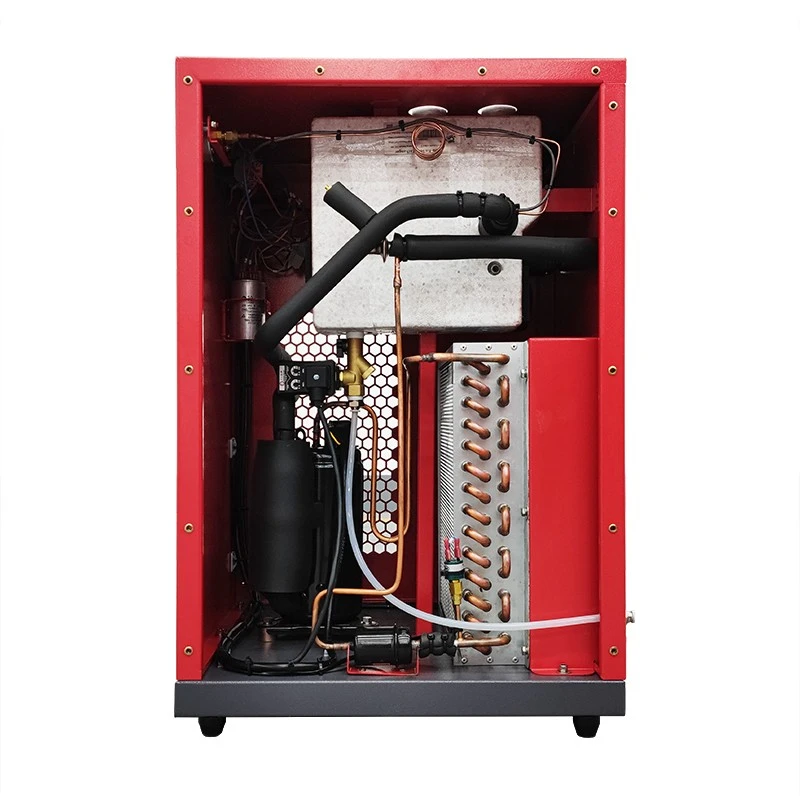
- Air Compressor Inline Filter: Make sure you have the right type and size of filter for your air compressor system. As a supplier, we offer a wide range of filters to meet different requirements. Adsorption Air Dryer can also be used in combination with the inline filter in some cases to further improve air quality.
- Pipe Wrenches: To tighten the connections between the filter and the air lines.
- Teflon Tape: This is used to create a seal between threaded connections and prevent air leaks.
- Safety Glasses and Gloves: To protect yourself during the installation process.
Step - by - Step Installation Guide
Step 1: Turn off the Air Compressor and Release the Pressure
Safety should always be your top priority. Before you start any work on the air compressor system, turn off the compressor and release all the pressure in the system. This can be done by opening the drain valves and any other pressure - relief valves in the system. Wait until all the air has been released and the pressure gauge reads zero.
Step 2: Locate the Installation Point
The inline filter should be installed as close as possible to the point of use. This is because the air will travel the shortest distance after passing through the filter, reducing the chance of re - contamination. Also, consider the available space and ease of access for future maintenance. If you are using multiple filters, they should be installed in the correct order, usually starting with the particulate filter, followed by the oil removal filter, and then the coalescing filter.
Step 3: Prepare the Air Lines
Measure and cut the air lines to the appropriate length if necessary. Use a pipe cutter for a clean and accurate cut. Remove any burrs or sharp edges from the cut ends of the pipes. You can use a file or sandpaper to smooth the edges.
Step 4: Apply Teflon Tape
Wrap Teflon tape around the male threads of the air lines and the filter connections. Make sure to wrap the tape in the direction of the thread. This will help to create a tight seal and prevent air leaks when the connections are tightened.
Step 5: Install the Filter
Connect the filter to the air lines. Use the pipe wrenches to tighten the connections. Be careful not to overtighten, as this can damage the filter or the air lines. If you are using multiple filters, connect them in series, making sure the air flows through them in the correct order.
Step 6: Check for Leaks
After the filter is installed, turn on the air compressor and let it build up pressure. Check all the connections for air leaks using a leak detector or by applying a soapy water solution to the connections. If you see bubbles forming, it indicates a leak. Tighten the connection slightly if needed, but be careful not to over - tighten.
Step 7: Final Checks
Once you have confirmed that there are no air leaks, check the overall operation of the air compressor system. Make sure that the air pressure is within the normal range and that the flow of air to the point of use is unobstructed. Also, check the filter for any signs of abnormal operation, such as excessive vibration or noise.

Maintenance Tips
Proper maintenance of the air compressor inline filter is essential to ensure its long - term performance. Here are some maintenance tips:
- Regular Inspection: Check the filter regularly for any signs of damage, clogging, or wear. Replace the filter element as recommended by the manufacturer.
- Cleaning: Some filters can be cleaned, while others need to be replaced. Follow the manufacturer's instructions for cleaning or replacement.
- Drainage: If the filter has a drain valve, make sure to drain the accumulated moisture regularly. This will prevent the growth of bacteria and corrosion inside the filter.
Conclusion
Installing an air compressor inline filter is a relatively straightforward process if you follow the correct steps. As a supplier of high - quality Air Compressor Inline Filters, we are committed to providing you with the best products and support. By installing and maintaining the filter correctly, you can ensure the efficient operation of your air compressor system, protect your equipment, and improve the quality of your products. If you have any questions or need further assistance with the installation or maintenance of your air compressor inline filter, please do not hesitate to contact us.