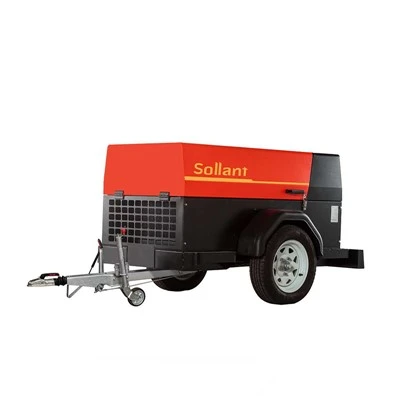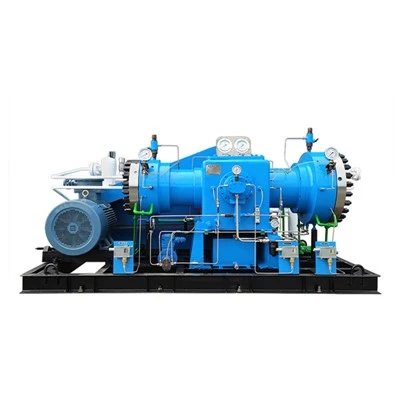
As a supplier of single-phase air compressors, one of the most common questions I receive is whether it's possible to use a single-phase air compressor outdoors. This is a valid concern, as the outdoor environment presents unique challenges and considerations that can affect the performance, safety, and longevity of the equipment. In this blog post, I'll delve into the factors you need to consider and provide guidance on making an informed decision.
Understanding Single-Phase Air Compressors
Before discussing outdoor use, let's briefly understand what single-phase air compressors are. These compressors are designed to operate on a single-phase power supply, which is commonly available in residential and small commercial settings. They are typically used for light to medium-duty applications, such as powering pneumatic tools, inflating tires, and operating small airbrushes.
Advantages of Using a Single-Phase Air Compressor Outdoors
There are several reasons why you might want to use a single-phase air compressor outdoors. One of the primary advantages is the flexibility it provides. You can take the compressor to different locations on your property or job site without having to worry about access to a three-phase power supply. This makes it ideal for tasks such as landscaping, construction work, and DIY projects.
Another advantage is the portability of single-phase air compressors. Many models are compact and lightweight, making them easy to transport and move around. This is particularly useful if you need to use the compressor in different areas of your yard or job site.


Factors to Consider Before Using a Single-Phase Air Compressor Outdoors
While there are benefits to using a single-phase air compressor outdoors, there are also several factors you need to consider to ensure safe and efficient operation.
Weather Conditions
The outdoor environment is subject to a wide range of weather conditions, including extreme temperatures, humidity, and precipitation. These conditions can have a significant impact on the performance and lifespan of your air compressor.
- Temperature: Extreme cold can cause the compressor's lubricating oil to thicken, making it difficult for the compressor to start and operate efficiently. On the other hand, high temperatures can cause the compressor to overheat, leading to premature wear and tear on the components. It's important to choose a compressor that is rated for the temperature range in your area.
- Humidity: High humidity levels can cause moisture to accumulate inside the compressor, leading to corrosion and rust. This can damage the internal components and reduce the compressor's lifespan. To prevent this, it's important to use a moisture trap or dryer to remove moisture from the compressed air.
- Precipitation: Exposure to rain, snow, or other forms of precipitation can damage the electrical components of the compressor and cause it to malfunction. It's important to protect the compressor from the elements by using a weatherproof enclosure or shelter.
Power Supply
When using a single-phase air compressor outdoors, you need to ensure that you have a reliable power supply. This may require the use of an extension cord, which can introduce additional risks if not used correctly.
- Extension Cord: If you need to use an extension cord, make sure it is rated for the amperage and voltage of your compressor. Using an undersized extension cord can cause the compressor to overheat and damage the motor. It's also important to keep the extension cord dry and free from damage.
- Grounding: Proper grounding is essential for the safe operation of your air compressor. Make sure the compressor is grounded to a suitable grounding point, such as a metal rod driven into the ground.
Noise and Vibration
Single-phase air compressors can be noisy and produce vibrations during operation. This can be a nuisance to you and your neighbors, especially if you are using the compressor in a residential area.
- Noise Level: When choosing an air compressor, look for a model that has a low noise level. Some compressors are designed with noise-reducing features, such as sound insulation and vibration dampening.
- Vibration: To reduce vibration, make sure the compressor is placed on a stable and level surface. You can also use vibration pads or mounts to further reduce the vibration.
Suitable Single-Phase Air Compressors for Outdoor Use
At our company, we offer a range of single-phase air compressors that are suitable for outdoor use. Here are some of our popular models:
- Sollant 3.7KW Single Phase Rotary Screw Air Compressor: This compressor is designed for light to medium-duty applications and is suitable for outdoor use. It features a high-efficiency rotary screw design and is built to last.
- 9KW Single Phase Rotary Screw Air Compressor: This powerful compressor is ideal for heavy-duty applications and can handle continuous operation. It is designed to be reliable and efficient, even in harsh outdoor environments.
- 7.5KW Single Phase Screw Air Compressor: This compressor is a great choice for medium to heavy-duty applications. It offers a high level of performance and is built to withstand the rigors of outdoor use.
Tips for Using a Single-Phase Air Compressor Outdoors
To ensure the safe and efficient operation of your single-phase air compressor outdoors, here are some tips to keep in mind:
- Read the Manual: Before using your air compressor, make sure you read the manufacturer's manual carefully. This will provide you with important information on how to operate, maintain, and troubleshoot the compressor.
- Perform Regular Maintenance: Regular maintenance is essential for the longevity and performance of your air compressor. This includes changing the oil, filters, and belts, as well as checking the pressure and temperature gauges.
- Use the Right Accessories: Using the right accessories can help improve the performance and efficiency of your air compressor. This includes using a moisture trap, regulator, and lubricator.
- Store the Compressor Properly: When not in use, make sure you store the compressor in a dry and protected area. This will help prevent damage from the elements and extend the lifespan of the compressor.
Conclusion
In conclusion, it is possible to use a single-phase air compressor outdoors, but it's important to consider the factors discussed in this blog post. By choosing the right compressor, taking the necessary precautions, and performing regular maintenance, you can ensure safe and efficient operation in the outdoor environment.
If you have any questions or need further assistance in choosing the right single-phase air compressor for your outdoor needs, please don't hesitate to contact us. We are here to help you make an informed decision and provide you with the best possible solution for your application.
References
- Compressed Air and Gas Institute (CAGI). (n.d.). Compressed Air System Best Practices. Retrieved from [CAGI website]
- National Fire Protection Association (NFPA). (n.d.). NFPA 99: Health Care Facilities Code. Retrieved from [NFPA website]
- Occupational Safety and Health Administration (OSHA). (n.d.). Compressed Air Systems. Retrieved from [OSHA website]