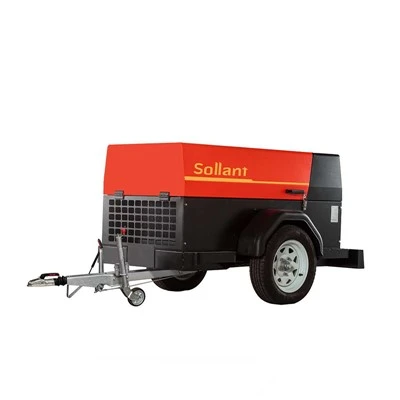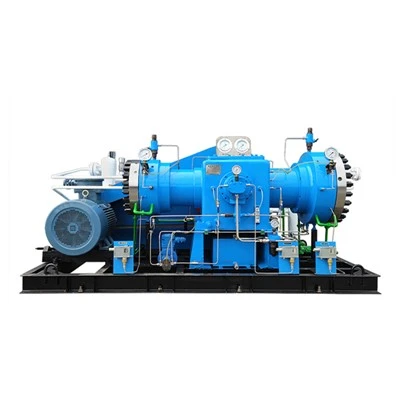
As a supplier of Stationary Electric Air Compressors, I often encounter customers with various questions regarding the maintenance and operation of these machines. One of the most frequently asked questions is, "Can I reuse a cleaned air filter for a stationary electric air compressor?" In this blog post, I'll delve into this topic, providing a comprehensive analysis based on scientific principles and practical experience.
Understanding the Role of Air Filters in Stationary Electric Air Compressors
Before we discuss whether it's possible to reuse a cleaned air filter, it's essential to understand the crucial role that air filters play in stationary electric air compressors. Air filters are designed to remove contaminants such as dust, dirt, and other particulate matter from the air entering the compressor. By doing so, they prevent these contaminants from entering the compressor's internal components, which can cause wear and tear, reduce efficiency, and even lead to mechanical failures.
The quality of the compressed air produced by the compressor is also directly related to the effectiveness of the air filter. Clean compressed air is essential for many applications, including pneumatic tools, painting, and food and beverage processing. A clogged or ineffective air filter can result in poor-quality compressed air, which can lead to issues such as tool malfunction, uneven paint finishes, and product contamination.
Factors to Consider When Deciding Whether to Reuse a Cleaned Air Filter
When considering whether to reuse a cleaned air filter for a stationary electric air compressor, several factors need to be taken into account.
1. Type of Air Filter
There are different types of air filters available for stationary electric air compressors, including paper filters, foam filters, and synthetic filters. Each type of filter has its own characteristics and recommended maintenance procedures.
Paper filters are the most common type of air filter used in stationary electric air compressors. They are relatively inexpensive and effective at removing a wide range of contaminants. However, paper filters are generally not designed to be reused after cleaning. Once they have been saturated with dirt and debris, the paper fibers can become damaged, reducing the filter's effectiveness and potentially allowing contaminants to pass through.
Foam filters are more durable than paper filters and can often be reused after cleaning. They are designed to trap larger particles and are often used in applications where the air contains a high level of dust and debris. Foam filters can be cleaned by washing them in a mild detergent solution and allowing them to dry thoroughly before reinstalling them in the compressor.
Synthetic filters are a newer type of air filter that offers excellent filtration efficiency and durability. They are often more expensive than paper and foam filters but can provide longer service life. Some synthetic filters are designed to be reusable and can be cleaned using a specific cleaning method recommended by the manufacturer.
2. Condition of the Filter
The condition of the air filter is another important factor to consider when deciding whether to reuse it. If the filter is severely damaged, torn, or has holes, it should not be reused, regardless of the type of filter. A damaged filter will not be able to effectively remove contaminants from the air, which can lead to problems with the compressor and the quality of the compressed air.
Even if the filter appears to be in good condition after cleaning, it's important to inspect it carefully for any signs of damage or wear. Look for areas where the filter material may be thinning or where there are signs of discoloration, which could indicate that the filter has been exposed to high temperatures or chemicals.
3. Operating Environment
The operating environment of the stationary electric air compressor can also have a significant impact on the decision to reuse a cleaned air filter. If the compressor is located in a dusty or dirty environment, the air filter will become clogged more quickly, and it may not be practical to reuse the filter after cleaning. In these situations, it may be more cost-effective to replace the filter with a new one regularly.
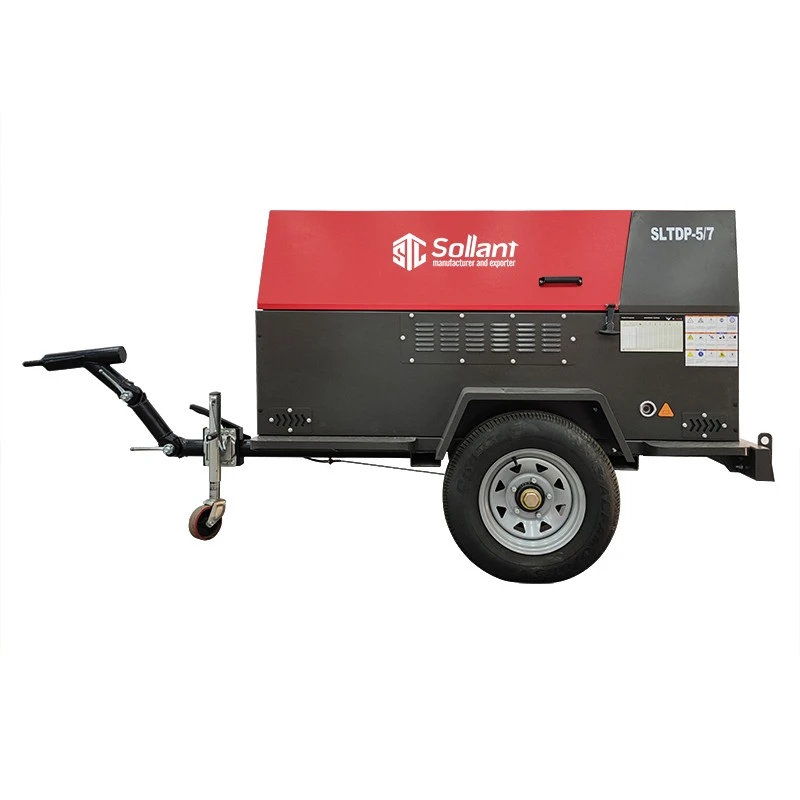

On the other hand, if the compressor is located in a relatively clean environment, the air filter may not become as dirty as quickly, and it may be possible to reuse the filter after cleaning. However, it's still important to monitor the condition of the filter regularly and replace it if it shows signs of wear or damage.
4. Manufacturer's Recommendations
The manufacturer's recommendations should always be followed when it comes to the maintenance and replacement of air filters in stationary electric air compressors. The manufacturer has conducted extensive testing and research to determine the optimal maintenance schedule and procedures for their products.
Some manufacturers may recommend that the air filter be replaced after a certain number of operating hours or at regular intervals, regardless of the condition of the filter. Others may provide specific instructions on how to clean and reuse the filter if it is designed to be reusable. It's important to refer to the manufacturer's manual or contact their customer support for guidance on the proper maintenance of the air filter.
Benefits and Drawbacks of Reusing a Cleaned Air Filter
There are both benefits and drawbacks to reusing a cleaned air filter for a stationary electric air compressor.
Benefits
- Cost Savings: Reusing a cleaned air filter can save money on replacement filter costs, especially if the filter is expensive or if the compressor is used frequently.
- Environmental Impact: By reusing a cleaned air filter, you can reduce the amount of waste generated by the compressor and contribute to a more sustainable environment.
Drawbacks
- Reduced Filtration Efficiency: Over time, even a cleaned air filter may not be as effective at removing contaminants from the air as a new filter. This can lead to a decrease in the quality of the compressed air and potentially cause problems with the compressor and the equipment that uses the compressed air.
- Risk of Damage: Cleaning a filter can sometimes cause damage to the filter material, especially if the cleaning method is not done correctly. A damaged filter may not be able to provide adequate filtration, which can lead to issues with the compressor and the quality of the compressed air.
How to Properly Clean an Air Filter for Reuse
If you decide to reuse a cleaned air filter for your stationary electric air compressor, it's important to follow the proper cleaning procedure to ensure that the filter is cleaned effectively and without causing damage.
For Foam Filters
- Remove the foam filter from the compressor and tap it gently to remove any loose dirt and debris.
- Fill a bucket with warm water and add a small amount of mild detergent.
- Immerse the foam filter in the soapy water and gently squeeze it to remove the dirt and debris. Avoid using excessive force, as this can damage the foam material.
- Rinse the foam filter thoroughly with clean water to remove all traces of the detergent.
- Allow the foam filter to dry completely before reinstalling it in the compressor. Do not use heat to dry the filter, as this can damage the foam material.
For Synthetic Filters
- Check the manufacturer's instructions for the recommended cleaning method for the specific synthetic filter you are using.
- In general, synthetic filters can be cleaned by using a compressed air gun to blow out the dirt and debris from the filter. Hold the filter in a well-ventilated area and use a low-pressure setting on the compressed air gun to avoid damaging the filter.
- If the filter is still dirty after blowing it out with compressed air, you may need to soak it in a cleaning solution recommended by the manufacturer. Follow the instructions carefully and rinse the filter thoroughly with clean water before allowing it to dry.
Conclusion
In conclusion, the decision to reuse a cleaned air filter for a stationary electric air compressor depends on several factors, including the type of filter, the condition of the filter, the operating environment, and the manufacturer's recommendations. While reusing a cleaned air filter can offer cost savings and environmental benefits, it's important to ensure that the filter is cleaned properly and that it is still in good condition before reinstalling it in the compressor.
If you have any further questions or need more information about air filters for stationary electric air compressors, please feel free to contact us. We are a leading supplier of Stationary Electric Air Compressors, Stationary Diesel Air Compressors, and Diesel Air Compressors, and we are committed to providing our customers with high-quality products and excellent customer service. Whether you are looking for a new air compressor or need advice on maintenance and replacement parts, we are here to help.
References
- Compressed Air and Gas Institute (CAGI). (Year). Air Filter Standards and Guidelines.
- Manufacturer's Manuals for Stationary Electric Air Compressors.