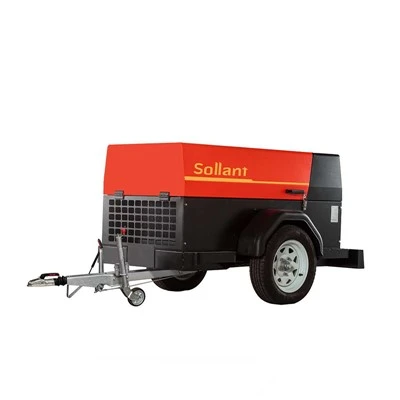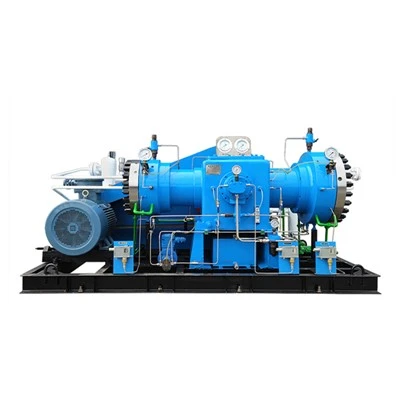
In the realm of food and beverage production, ensuring product safety and quality is of utmost importance. One crucial aspect that often goes unnoticed but plays a significant role is the type of air compressor used in the manufacturing process. As a supplier of Oil free Air Compressor, I am frequently asked whether an oil free air compressor can be used for food and beverage production. In this blog post, I will delve into this topic and provide a comprehensive answer.
The Importance of Air Quality in Food and Beverage Production
Air is an integral part of the food and beverage production process. It is used for various purposes, such as pneumatic conveying, packaging, mixing, and cooling. However, if the air used in these processes is contaminated, it can pose a serious threat to the safety and quality of the final products.
Contaminants in compressed air can include oil, water, dust, and microorganisms. Oil contamination, in particular, is a major concern in food and beverage production. Oil can leave residues on food and beverage products, affecting their taste, odor, and appearance. It can also provide a breeding ground for bacteria and other microorganisms, increasing the risk of foodborne illnesses.
How Oil Free Air Compressors Work
Oil free air compressors are designed to produce compressed air without the use of lubricating oil in the compression chamber. There are several types of oil free air compressors available on the market, including Oil Free Scroll Air Compressor and dry oil free screw air compressors.
Oil Free Scroll Air Compressors
Oil free scroll air compressors use two interleaving scrolls to compress the air. One scroll is stationary, while the other orbits around it. As the orbiting scroll moves, it traps and compresses the air between the two scrolls. Since there is no oil used in the compression chamber, the compressed air produced is oil free.
Dry Oil Free Screw Air Compressors
Dry oil free screw air compressors use two rotors with helical lobes to compress the air. The rotors rotate in opposite directions, trapping and compressing the air between them. These compressors are designed to operate without the need for lubricating oil in the compression chamber, ensuring that the compressed air is oil free.
Advantages of Using Oil Free Air Compressors in Food and Beverage Production
Improved Product Quality
By using an oil free air compressor, food and beverage manufacturers can ensure that their products are free from oil contamination. This helps to maintain the taste, odor, and appearance of the products, meeting the high-quality standards expected by consumers.
Enhanced Food Safety
Oil free air compressors reduce the risk of foodborne illnesses by eliminating the presence of oil, which can provide a breeding ground for bacteria and other microorganisms. This is particularly important in industries where strict food safety regulations must be adhered to.
Compliance with Regulations
Many countries and regions have strict regulations regarding the use of compressed air in food and beverage production. Oil free air compressors help manufacturers comply with these regulations by providing a clean and oil-free source of compressed air.
Reduced Maintenance Costs
Since oil free air compressors do not require lubricating oil in the compression chamber, they generally have lower maintenance requirements compared to oil-lubricated compressors. This can result in cost savings for food and beverage manufacturers in the long run.
Considerations When Choosing an Oil Free Air Compressor for Food and Beverage Production
Air Quality Requirements
Before selecting an oil free air compressor, it is important to determine the specific air quality requirements of your food and beverage production process. This may include factors such as the maximum allowable levels of oil, water, and particulate matter in the compressed air.
Capacity and Pressure Requirements
The capacity and pressure requirements of your production process will also influence your choice of oil free air compressor. It is important to select a compressor that can provide the required volume of compressed air at the appropriate pressure to meet the demands of your operations.
Energy Efficiency
Energy efficiency is an important consideration when choosing an oil free air compressor. Look for compressors that are designed to operate efficiently, as this can help to reduce energy costs and minimize the environmental impact of your production process.
Reliability and Durability
In a continuous production environment, reliability and durability are crucial. Choose an oil free air compressor from a reputable manufacturer that offers a reliable product with a proven track record. This will help to ensure that your production process runs smoothly without unexpected downtime.
Case Studies: Successful Use of Oil Free Air Compressors in Food and Beverage Production
Bakery
A bakery was experiencing issues with oil contamination in their bread products, which was affecting the taste and quality of the bread. After switching to an Oil free Air Compressor, the bakery was able to eliminate oil contamination from their production process. This resulted in improved product quality, increased customer satisfaction, and compliance with food safety regulations.


Beverage Bottling Plant
A beverage bottling plant was using an oil-lubricated air compressor, which was causing oil residues to accumulate on the bottles. This was not only affecting the appearance of the bottles but also increasing the risk of contamination. By installing a Dry Oil Free Air Compressor, the plant was able to solve the oil contamination problem. The new compressor provided a clean and oil-free source of compressed air, ensuring the quality and safety of the bottled beverages.
Conclusion
In conclusion, an oil free air compressor can indeed be used for food and beverage production. These compressors offer numerous advantages, including improved product quality, enhanced food safety, compliance with regulations, and reduced maintenance costs. When choosing an oil free air compressor for your food and beverage production process, it is important to consider factors such as air quality requirements, capacity and pressure requirements, energy efficiency, and reliability.
If you are a food or beverage manufacturer looking for a reliable and high-quality oil free air compressor, I encourage you to contact us for more information. Our team of experts can help you select the right compressor for your specific needs and provide you with the support and service you deserve. Let us work together to ensure the safety and quality of your products.
References
- Compressed Air and Gas Institute (CAGI). (n.d.). Standards for Compressed Air Quality. Retrieved from [CAGI Website]
- International Organization for Standardization (ISO). (2010). ISO 8573-1:2010 - Compressed air - Part 1: Contaminants and purity classes.
- Food and Drug Administration (FDA). (n.d.). Food Safety Modernization Act (FSMA). Retrieved from [FDA Website]