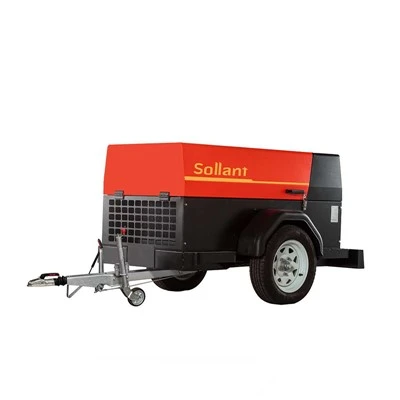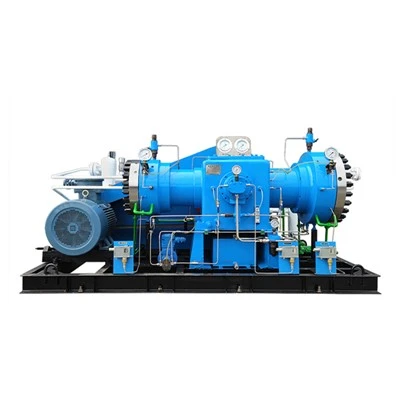
As a seasoned gas compressor supplier, I've witnessed firsthand the critical role these machines play in various industries. Gas compressors are the workhorses of many operations, from petrochemical plants to medical facilities. However, like any complex machinery, they are prone to malfunctions. Recognizing the signs of a malfunctioning gas compressor is crucial to prevent costly downtime, ensure safety, and maintain optimal performance. In this blog, I'll share some common indicators that your gas compressor may be in trouble.
Unusual Noise and Vibration
One of the first signs of a problem is often an increase in noise or vibration levels. Gas compressors are designed to operate smoothly and quietly. Any sudden change in the normal operating sound can indicate a mechanical issue. For example, a knocking or rattling noise may suggest loose parts, worn bearings, or a misaligned drive system. Excessive vibration can also be a sign of imbalance, which can lead to premature wear and tear on the compressor components.
If you notice any unusual noise or vibration, it's important to shut down the compressor immediately and inspect it for damage. Ignoring these signs can result in more severe problems down the line, such as complete compressor failure.
Overheating
Overheating is another common symptom of a malfunctioning gas compressor. Compressors generate a significant amount of heat during operation, and they are equipped with cooling systems to keep the temperature within a safe range. However, if the cooling system fails or becomes clogged, the compressor can overheat.


Signs of overheating include high discharge temperatures, hot compressor housing, and tripped thermal overload switches. Overheating can cause damage to the compressor's internal components, such as the pistons, valves, and bearings. It can also lead to a decrease in efficiency and an increase in energy consumption.
To prevent overheating, it's important to regularly maintain the compressor's cooling system. This includes cleaning or replacing the air filters, checking the coolant levels, and ensuring proper ventilation around the compressor.
Low Pressure or Flow
A decrease in pressure or flow rate can indicate a problem with the compressor's performance. This can be caused by a variety of factors, such as a clogged air intake, a worn piston ring, or a leak in the system. Low pressure or flow can result in reduced productivity and can also affect the quality of the compressed gas.
If you notice a decrease in pressure or flow, it's important to check the compressor's intake and exhaust valves, as well as the piping and fittings for leaks. You may also need to clean or replace the air filters to ensure proper airflow.
Oil Leaks
Oil leaks are a common problem in gas compressors. Compressors use oil to lubricate the moving parts and to seal the pistons and valves. However, if the oil seals or gaskets become worn or damaged, oil can leak out of the compressor.
Signs of an oil leak include oil stains on the compressor housing, oil dripping from the compressor, or a decrease in the oil level in the crankcase. Oil leaks can not only cause environmental problems but can also lead to a loss of lubrication, which can damage the compressor's internal components.
To prevent oil leaks, it's important to regularly inspect the compressor for signs of wear and tear. You should also replace the oil seals and gaskets as needed to ensure a proper seal.
Excessive Moisture in the Compressed Gas
Moisture in the compressed gas can cause a variety of problems, such as corrosion, rust, and damage to the downstream equipment. Compressors are equipped with moisture separators and dryers to remove moisture from the compressed gas. However, if these components fail or become clogged, moisture can accumulate in the system.
Signs of excessive moisture in the compressed gas include water droplets in the piping, rust or corrosion on the compressor components, and a decrease in the quality of the compressed gas. To prevent moisture problems, it's important to regularly maintain the compressor's moisture separation and drying systems. This includes replacing the filters and desiccant beds as needed.
Electrical Problems
Electrical problems can also cause a gas compressor to malfunction. This can include issues with the motor, the control panel, or the wiring. Signs of electrical problems include tripped circuit breakers, blown fuses, and malfunctioning control switches.
If you suspect an electrical problem, it's important to have a qualified electrician inspect the compressor. Electrical problems can be dangerous and should be handled by a professional.
Decreased Efficiency
A decrease in efficiency is a sign that the compressor may be malfunctioning. This can be caused by a variety of factors, such as worn components, improper maintenance, or a clogged air intake. A decrease in efficiency can result in higher energy consumption and lower productivity.
To improve the efficiency of the compressor, it's important to regularly maintain the compressor and replace any worn components. You should also ensure that the compressor is operating at the correct pressure and temperature settings.
In conclusion
Recognizing the signs of a malfunctioning gas compressor is crucial to prevent costly downtime, ensure safety, and maintain optimal performance. By regularly inspecting the compressor for signs of wear and tear, and by addressing any problems promptly, you can extend the life of the compressor and reduce the risk of breakdowns.
If you're experiencing any of the signs mentioned above, or if you have any questions about the performance of your gas compressor, please don't hesitate to contact us. As a leading gas compressor supplier, we offer a wide range of LPG Compressor, Ammonia Compressor, and Oxygen Compressor solutions to meet your specific needs. We also provide comprehensive maintenance and repair services to ensure that your compressor operates at peak performance.
Contact us today to learn more about our products and services and to discuss your gas compressor requirements.
References
- Compressed Air and Gas Handbook, 4th Edition, by Paul A. Dietz
- Gas Compression Handbook: Principles and Practices, by Samir A. Khan
- Maintenance and Troubleshooting of Compressed Air Systems, by the Compressed Air and Gas Institute