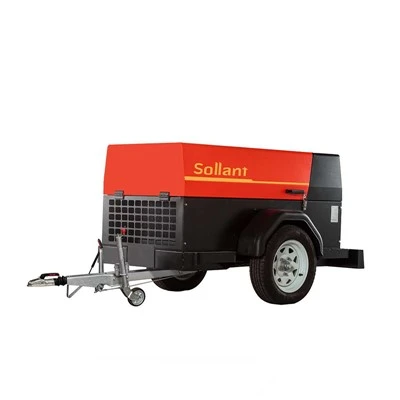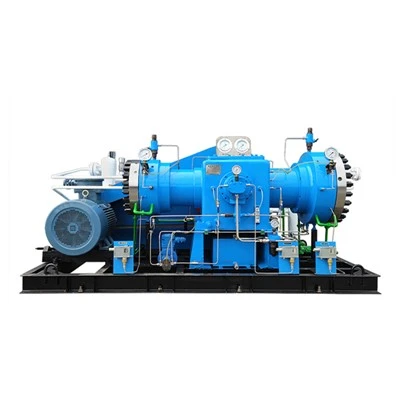
Hey there! I'm an expert from a biogas compressor supplier, and today I'm gonna share with you some tips on how to maintain a biogas compressor. As someone who's been in the industry for quite a while, I know how crucial it is to keep these machines in top - notch condition.
First off, let's talk about the basics. A biogas compressor is a key piece of equipment in the biogas utilization process. It takes the raw biogas and compresses it to a higher pressure, making it suitable for various applications like power generation, vehicle fuel, or injection into the natural gas grid.
Regular Inspections
One of the most important aspects of maintaining a biogas compressor is regular inspections. You should check the compressor at least once a week, or more frequently if it's in heavy - duty use. Start by looking at the exterior of the compressor. Check for any signs of physical damage, like dents, cracks, or loose parts. A damaged compressor can not only affect its performance but also pose a safety risk.
Next, examine the hoses and connections. Over time, hoses can wear out, and connections can become loose. Look for any signs of leaks, such as hissing sounds or the smell of gas. If you notice any leaks, it's important to fix them immediately. You can use a soapy water solution to check for leaks. Just apply the solution to the connections, and if there are bubbles, you've found a leak.
Don't forget to inspect the filters. The air intake filter and the oil filter play a vital role in keeping the compressor clean and running smoothly. A clogged filter can restrict airflow or cause the compressor to work harder, leading to increased wear and tear. Replace the filters according to the manufacturer's recommendations. Usually, it's recommended to replace the air intake filter every few months, depending on the operating environment.
Lubrication
Lubrication is another critical factor in compressor maintenance. The moving parts of a biogas compressor need proper lubrication to reduce friction and prevent overheating. Check the oil level regularly, and make sure it's within the recommended range. If the oil level is low, add the appropriate type of oil as specified in the compressor's manual.
However, it's not just about the quantity of oil; the quality also matters. Over time, the oil can break down and become contaminated with dirt, debris, and moisture. Change the oil at the recommended intervals to ensure optimal performance. You can also use an oil analysis kit to check the condition of the oil more accurately. This can help you detect any potential problems early on and take corrective action.
Cooling System
The cooling system of a biogas compressor is essential for preventing overheating. Most compressors use either air - cooled or water - cooled systems. If you have an air - cooled compressor, make sure the cooling fins are clean and free from debris. Blocked fins can reduce the cooling efficiency, causing the compressor to overheat. You can use a soft brush or compressed air to clean the fins.
For water - cooled compressors, check the water flow and temperature regularly. Make sure the water pump is working properly and that there are no blockages in the water lines. The water temperature should be within the recommended range. If the water is too hot, it won't be able to cool the compressor effectively.
Belt and Pulley Maintenance
If your biogas compressor has a belt - driven system, pay attention to the belts and pulleys. Check the belts for signs of wear, such as cracks, fraying, or stretching. A worn - out belt can slip, reducing the efficiency of the compressor. Replace the belts when they show significant signs of wear.
Also, make sure the pulleys are properly aligned. Misaligned pulleys can cause the belts to wear unevenly and can also put extra stress on the compressor's motor. You can use a pulley alignment tool to check and adjust the alignment if necessary.
Electrical Components
The electrical components of a biogas compressor are just as important as the mechanical parts. Check the wiring for any signs of damage, such as frayed wires or loose connections. Loose connections can cause electrical arcing, which can be a fire hazard. Make sure all the electrical connections are tight and secure.
Inspect the motor and the control panel regularly. Look for any error codes or warning lights on the control panel. If you notice any issues, refer to the compressor's manual for troubleshooting steps. You may need to call a professional electrician if you're not familiar with electrical systems.
Comparison with Other Compressors
It's interesting to note how biogas compressors compare with other types of compressors, like Gas Compressor, Oxygen Compressor, and LPG Compressor. While the basic principles of maintenance are similar, there are some differences.
Gas compressors, for example, are designed to handle a wide range of gases. They may require more specialized filters and lubricants depending on the type of gas being compressed. Oxygen compressors need to be extremely clean and free from any contaminants because oxygen is highly reactive. LPG compressors, on the other hand, need to be able to handle the unique properties of liquefied petroleum gas, such as its flammability.
When to Call a Professional
Even with regular maintenance, there may come a time when you need to call a professional. If you're experiencing persistent problems, such as abnormal noises, excessive vibration, or a significant drop in performance, it's best to seek expert help. A professional technician has the knowledge and tools to diagnose and fix complex issues.
They can also perform more in - depth maintenance tasks, like disassembling and inspecting the internal components of the compressor. This can help identify any hidden problems that may not be apparent during a regular inspection.
Conclusion
Maintaining a biogas compressor is not rocket science, but it does require regular attention and care. By following these maintenance tips, you can extend the lifespan of your compressor, improve its performance, and ensure safe operation.
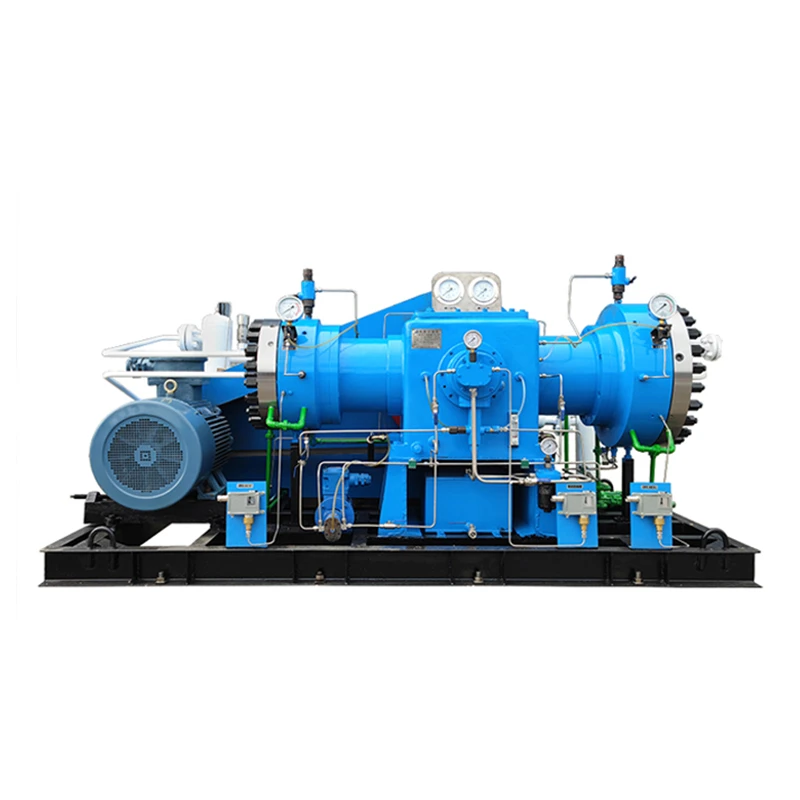

If you're in the market for a new biogas compressor or need more information on maintenance, don't hesitate to reach out. We're here to help you make the right choice and keep your compressor running smoothly. Whether you're a small - scale biogas producer or a large - scale industrial user, we've got the expertise and the products to meet your needs. So, let's start a conversation and see how we can work together to optimize your biogas utilization.
References
- Manufacturer's manuals for biogas compressors
- Industry best practices for compressor maintenance
- Technical articles on biogas utilization and compressor technology