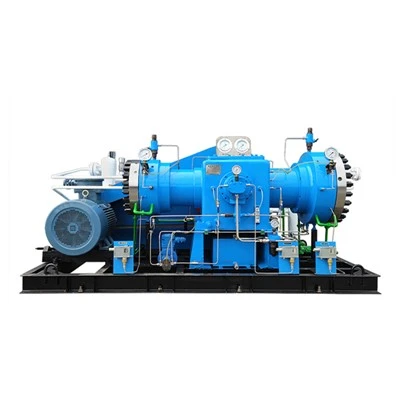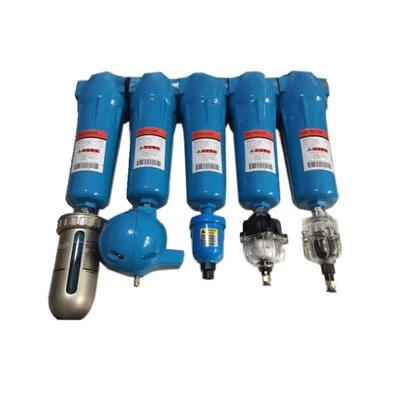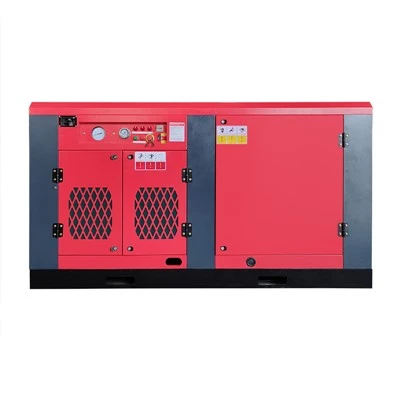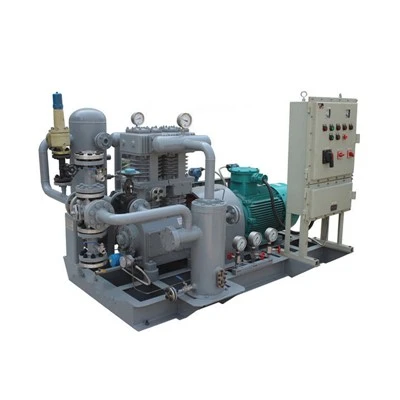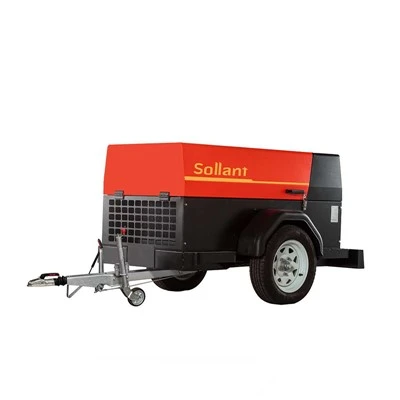
When it comes to air compressors, one of the fundamental decisions users face is choosing between an oil-free scroll air compressor and an oil-lubricated air compressor. As a supplier of Oil Free Scroll Air Compressor, I've witnessed firsthand the diverse needs of customers and the importance of making an informed choice. In this blog, I'll delve into the key differences between these two types of air compressors to help you understand which one is best suited for your specific requirements.
Working Principle
The working principle is the cornerstone that differentiates oil-free scroll air compressors from oil-lubricated ones.
An oil-free scroll air compressor operates on a unique scroll mechanism. It consists of two interleaving spiral scrolls, one fixed and the other orbiting. As the orbiting scroll moves around the fixed scroll, air is drawn into the outer chambers. The air is then gradually compressed as it moves towards the center of the scrolls, where it is finally discharged at a higher pressure. This process is entirely oil-free, meaning there is no need for oil lubrication within the compression chamber. This design ensures that the compressed air remains free from oil contamination, making it ideal for applications where oil-free air is crucial, such as in the food and beverage industry, pharmaceuticals, and electronics manufacturing.
On the other hand, an oil-lubricated air compressor relies on oil for lubrication, cooling, and sealing within the compression chamber. The most common types of oil-lubricated compressors are reciprocating and rotary screw compressors. In a reciprocating compressor, a piston moves up and down within a cylinder to compress the air. The oil is injected into the cylinder to lubricate the moving parts, reduce friction, and seal the gaps between the piston and the cylinder wall. In a rotary screw compressor, two intermeshing screws rotate to compress the air. Oil is injected into the compression chamber to lubricate the screws, cool the compressed air, and create a seal to prevent air leakage. While oil lubrication provides excellent performance and durability, it also means that the compressed air may contain trace amounts of oil, which may require additional filtration to meet the purity requirements of certain applications.
Air Quality
Air quality is a critical factor to consider when choosing an air compressor, especially for applications where clean and oil-free air is essential.
Oil-free scroll air compressors are designed to deliver high-quality, oil-free air. Since there is no oil used in the compression process, the compressed air is free from oil contamination, eliminating the risk of product spoilage, equipment damage, and health hazards associated with oil in the air. This makes oil-free scroll air compressors the preferred choice for industries such as food and beverage, pharmaceuticals, electronics, and painting, where even the slightest amount of oil in the air can have a significant impact on the quality of the final product.
In contrast, oil-lubricated air compressors produce compressed air that contains varying amounts of oil, depending on the type of compressor and the quality of the oil separation system. While modern oil-lubricated compressors are equipped with advanced oil separation technology to minimize oil carryover, it is still possible for trace amounts of oil to be present in the compressed air. This may require additional filtration and purification steps to remove the oil and meet the required air quality standards. In some cases, the presence of oil in the air can also lead to increased maintenance requirements and downtime, as the oil can accumulate in the air lines and equipment, causing blockages and reducing efficiency.
Maintenance Requirements
Maintenance is an important consideration when choosing an air compressor, as it can significantly impact the operating costs and reliability of the equipment.
Oil-free scroll air compressors generally have lower maintenance requirements compared to oil-lubricated air compressors. Since there is no oil used in the compression process, there is no need for oil changes, oil filters, or oil separators. This reduces the frequency and complexity of maintenance tasks, resulting in lower maintenance costs and less downtime. Additionally, oil-free scroll air compressors have fewer moving parts, which means there is less wear and tear on the components, further reducing the need for maintenance. However, it is still important to perform regular maintenance tasks such as cleaning the air filters, checking the belts and couplings, and inspecting the electrical connections to ensure the proper operation of the compressor.
Oil-lubricated air compressors require more frequent and complex maintenance compared to oil-free scroll air compressors. The oil needs to be changed regularly to maintain its lubricating and cooling properties, and the oil filters and separators need to be replaced to ensure efficient oil separation. Additionally, the compressor may require periodic inspections and adjustments to ensure the proper operation of the moving parts and the oil system. The presence of oil in the compressor also means that there is a risk of oil leaks, which can require additional maintenance and cleaning to prevent environmental contamination. Overall, the maintenance requirements of oil-lubricated air compressors can be more time-consuming and expensive compared to oil-free scroll air compressors.
Energy Efficiency
Energy efficiency is a key factor to consider when choosing an air compressor, as it can have a significant impact on the operating costs over the life of the equipment.
Oil-free scroll air compressors are generally more energy-efficient compared to oil-lubricated air compressors, especially for small to medium-sized applications. The scroll mechanism used in oil-free scroll air compressors is designed to provide smooth and continuous compression, resulting in lower energy consumption. Additionally, the absence of oil in the compression chamber reduces the friction and heat generation, further improving the energy efficiency of the compressor. Some oil-free scroll air compressors are also equipped with variable speed drives (VSD), which allow the compressor to adjust its speed based on the demand for compressed air, resulting in even greater energy savings.
Oil-lubricated air compressors can also be energy-efficient, especially when equipped with advanced features such as VSD and energy recovery systems. However, the presence of oil in the compression chamber can increase the friction and heat generation, resulting in higher energy consumption compared to oil-free scroll air compressors. Additionally, the oil separation system in oil-lubricated air compressors requires additional energy to operate, which can further reduce the overall energy efficiency of the compressor.
Noise Level
Noise level is an important consideration, especially for applications where a quiet working environment is required.


Oil-free scroll air compressors are generally quieter compared to oil-lubricated air compressors. The scroll mechanism used in oil-free scroll air compressors operates smoothly and quietly, with minimal vibration and noise. Additionally, the absence of oil in the compression chamber reduces the noise generated by the oil circulation system. Some oil-free scroll air compressors are also equipped with sound insulation materials to further reduce the noise level, making them suitable for applications where noise is a concern, such as in offices, laboratories, and hospitals.
Oil-lubricated air compressors can be relatively noisy, especially during operation. The reciprocating or rotary screw mechanism used in oil-lubricated air compressors generates significant vibration and noise, which can be a nuisance in a working environment. Additionally, the oil circulation system in oil-lubricated air compressors can also contribute to the noise level. To reduce the noise level, oil-lubricated air compressors may require additional sound insulation or mufflers, which can increase the cost and complexity of the equipment.
Initial Cost
The initial cost is an important factor to consider when choosing an air compressor, especially for budget-conscious customers.
Oil-free scroll air compressors generally have a higher initial cost compared to oil-lubricated air compressors. The advanced technology and design used in oil-free scroll air compressors, such as the scroll mechanism and the oil-free compression process, result in a more expensive product. Additionally, the higher air quality and energy efficiency of oil-free scroll air compressors also contribute to the higher initial cost. However, it is important to consider the long-term operating costs and benefits when evaluating the initial cost of an air compressor. While oil-free scroll air compressors may have a higher initial cost, they can result in lower maintenance costs, energy savings, and reduced downtime over the life of the equipment, which can offset the initial investment.
Oil-lubricated air compressors generally have a lower initial cost compared to oil-free scroll air compressors. The simpler design and technology used in oil-lubricated air compressors, such as the reciprocating or rotary screw mechanism and the oil lubrication system, result in a more affordable product. However, it is important to consider the long-term operating costs and maintenance requirements when evaluating the initial cost of an air compressor. While oil-lubricated air compressors may have a lower initial cost, they can result in higher maintenance costs, energy consumption, and downtime over the life of the equipment, which can increase the overall cost of ownership.
Applications
The choice between an oil-free scroll air compressor and an oil-lubricated air compressor also depends on the specific applications and requirements.
Oil-free scroll air compressors are ideal for applications where clean and oil-free air is essential, such as in the food and beverage industry, pharmaceuticals, electronics manufacturing, painting, and laboratory applications. In these industries, even the slightest amount of oil in the air can have a significant impact on the quality of the final product, making oil-free air compressors the preferred choice. Additionally, oil-free scroll air compressors are also suitable for applications where noise and vibration are a concern, such as in offices, hospitals, and laboratories.
Oil-lubricated air compressors are commonly used in applications where high-pressure air is required, such as in industrial manufacturing, construction, and automotive applications. The oil lubrication system in oil-lubricated air compressors provides excellent performance and durability, making them suitable for heavy-duty applications. Additionally, oil-lubricated air compressors can also be used in applications where the presence of oil in the air is not a concern, such as in pneumatic tools and general industrial applications.
Conclusion
In conclusion, the choice between an oil-free scroll air compressor and an oil-lubricated air compressor depends on a variety of factors, including air quality requirements, maintenance requirements, energy efficiency, noise level, initial cost, and specific applications. As a supplier of Oil Free Scroll Air Compressor, I recommend considering the long-term operating costs and benefits when making a decision. If you require clean and oil-free air, low maintenance, high energy efficiency, and quiet operation, an oil-free scroll air compressor may be the best choice for you. On the other hand, if you need high-pressure air, heavy-duty performance, and a lower initial cost, an oil-lubricated air compressor may be more suitable.
If you have any questions or need further assistance in choosing the right air compressor for your application, please feel free to contact us. We have a team of experts who can provide you with personalized advice and solutions based on your specific requirements. We also offer a wide range of Water Injected Air Compressor and Oil Free Screw Blower to meet your diverse needs. Let's work together to find the best air compressor solution for your business!
References
- Compressed Air and Gas Institute (CAGI). (n.d.). Air Compressor Handbook.
- ASME. (n.d.). Performance Standard for Rotary-Type Positive Displacement Compressors.
- ISO. (n.d.). International Standards for Air Compressors.