What is the connection method between a biogas compressor and a biogas storage tank?
As a seasoned supplier of biogas compressors, I've witnessed firsthand the critical role that proper connection between a biogas compressor and a biogas storage tank plays in an efficient biogas system. In this blog post, I'll elaborate on the connection methods, the importance of these connections, and some key considerations.
The Basics of Biogas Compression and Storage
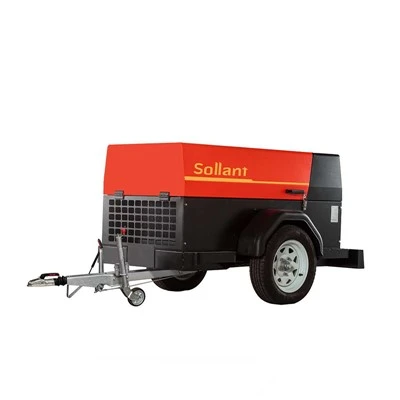
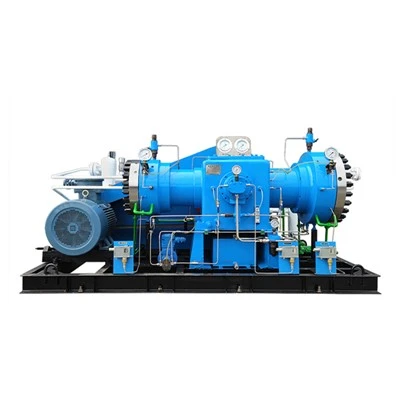
Before delving into the connection methods, it's essential to understand the functions of a biogas compressor and a biogas storage tank. Biogas, which is primarily composed of methane and carbon dioxide, is produced through the anaerobic digestion of organic materials. A biogas compressor is designed to increase the pressure of the biogas, making it suitable for various applications such as transportation, injection into the natural gas grid, or use in high - pressure engines.
On the other hand, a biogas storage tank serves as a reservoir for the biogas. It helps to balance the production and consumption of biogas, ensuring a stable supply. The storage tank can also provide a buffer during periods of low biogas production or high demand.
Connection Methods
Pipeline Connection
The most common method of connecting a biogas compressor to a biogas storage tank is through a pipeline system. This method offers several advantages. Firstly, it allows for a continuous flow of biogas between the two components. The pipeline can be made of various materials, such as high - density polyethylene (HDPE), stainless steel, or carbon steel.
HDPE pipes are popular due to their corrosion resistance, flexibility, and relatively low cost. They are suitable for both above - ground and underground installations. Stainless steel pipes, on the other hand, are more durable and can withstand higher pressures and temperatures. They are often used in more demanding applications where safety and reliability are of utmost importance.
When installing the pipeline, it's crucial to ensure proper sizing. The diameter of the pipeline should be selected based on the flow rate of the biogas. A pipe that is too small can cause excessive pressure drops, reducing the efficiency of the compressor and the overall system. Conversely, a pipe that is too large can be wasteful and increase the cost of the installation.
Valves and Fittings
In addition to the pipeline, valves and fittings are essential components of the connection between the biogas compressor and the storage tank. Valves are used to control the flow of biogas, isolate different parts of the system for maintenance or safety reasons, and regulate the pressure.
There are several types of valves commonly used in biogas systems, including ball valves, gate valves, and check valves. Ball valves are easy to operate and provide a tight seal when closed. Gate valves are suitable for applications where a full - flow opening is required. Check valves, as the name suggests, allow biogas to flow in only one direction, preventing backflow and protecting the compressor from damage.
Fittings, such as elbows, tees, and reducers, are used to connect different sections of the pipeline and change the direction or size of the flow. They must be properly installed and sealed to prevent leaks.
Instrumentation and Monitoring
To ensure the safe and efficient operation of the biogas compressor and storage tank system, instrumentation and monitoring devices are often installed. Pressure gauges are used to measure the pressure at different points in the system, allowing operators to monitor the performance of the compressor and ensure that the pressure in the storage tank remains within the safe range.
Flow meters can be installed to measure the flow rate of the biogas. This information is useful for optimizing the operation of the compressor and for billing purposes if the biogas is being sold. Temperature sensors can also be used to monitor the temperature of the biogas, as high temperatures can affect the performance and safety of the system.
Importance of Proper Connection
A proper connection between the biogas compressor and the storage tank is vital for several reasons. Firstly, it ensures the efficient transfer of biogas. A well - designed pipeline system with the correct sizing and properly installed valves and fittings minimizes pressure drops, allowing the compressor to operate at its optimal efficiency.
Secondly, a proper connection enhances safety. Leaks in the pipeline or improper valve operation can lead to the release of biogas, which is a flammable and potentially explosive gas. By using high - quality materials, proper installation techniques, and reliable instrumentation, the risk of accidents can be significantly reduced.
Finally, a proper connection helps to extend the lifespan of the equipment. By maintaining a stable and efficient flow of biogas, the compressor and storage tank are less likely to experience excessive wear and tear, reducing the need for frequent maintenance and replacement.

Key Considerations
When connecting a biogas compressor to a biogas storage tank, there are several key considerations. One of the most important is the compatibility of the materials. The pipeline, valves, and fittings must be compatible with the biogas, which may contain impurities such as hydrogen sulfide. These impurities can cause corrosion in some materials, so it's essential to select materials that are resistant to such corrosion.
Another consideration is the location of the compressor and the storage tank. They should be located in a well - ventilated area to prevent the accumulation of biogas in case of a leak. The distance between the two components should also be carefully considered, as a long pipeline can increase the pressure drop and the cost of the installation.
It's also important to follow all relevant safety standards and regulations. These standards cover aspects such as the design, installation, and operation of biogas systems, and compliance is essential to ensure the safety of the system and the people operating it.
Related Compressor Types
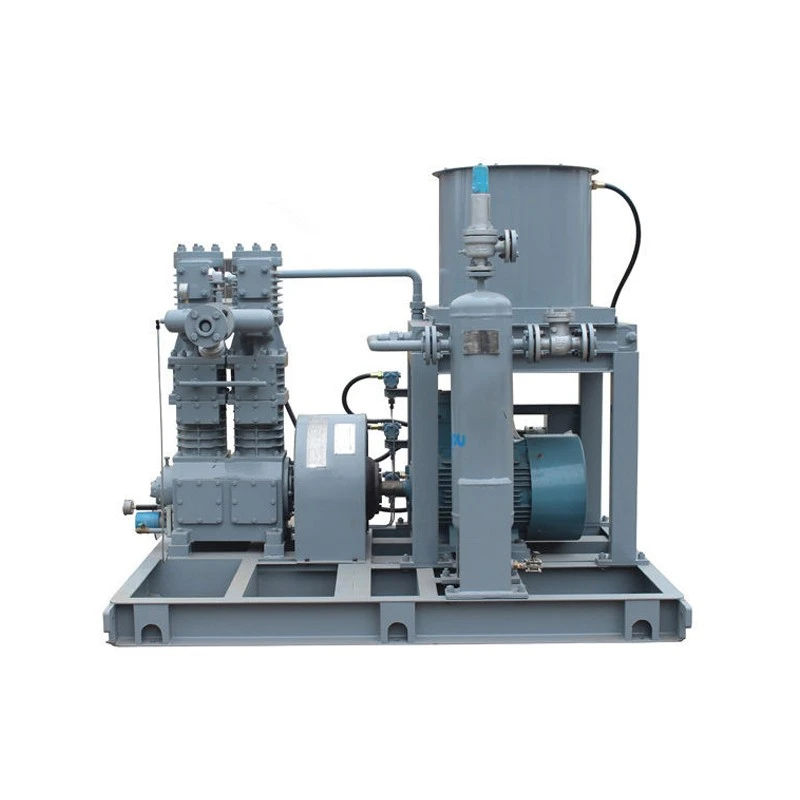
In addition to biogas compressors, there are other types of compressors that are used in different applications. For example, LPG Compressor is designed to compress liquefied petroleum gas (LPG), which is commonly used for heating, cooking, and as a fuel for vehicles. Nitrogen Compressor is used to compress nitrogen gas, which has various industrial applications such as in the food and beverage industry for packaging and in the electronics industry for purging. Ammonia Compressor is used to compress ammonia, which is widely used in refrigeration systems.
Conclusion
In conclusion, the connection between a biogas compressor and a biogas storage tank is a critical aspect of a biogas system. By using the right pipeline materials, valves, fittings, and instrumentation, and by following proper installation and safety procedures, an efficient and safe biogas system can be achieved.
If you are in the market for a biogas compressor or need advice on connecting it to your biogas storage tank, I encourage you to reach out. Our team of experts is ready to assist you in finding the best solution for your specific needs. Whether you are a small - scale biogas producer or a large - scale industrial user, we have the experience and products to meet your requirements. Contact us today to start a discussion about your biogas compression and storage needs.
References
- Renewable Energy World. (2023). Biogas Systems: Design and Operation.
- International Renewable Energy Agency (IRENA). (2022). Biogas Production and Utilization Guidelines.
- American Gas Association (AGA). (2021). Standards for Gas Compression and Storage Systems.