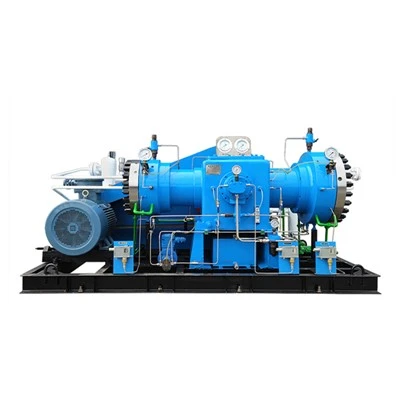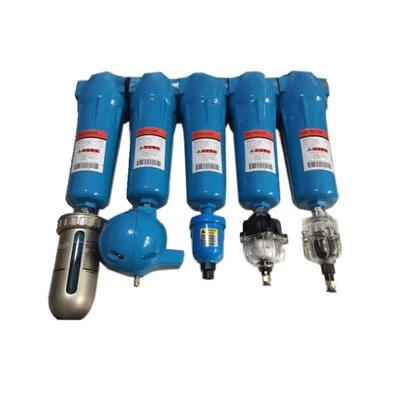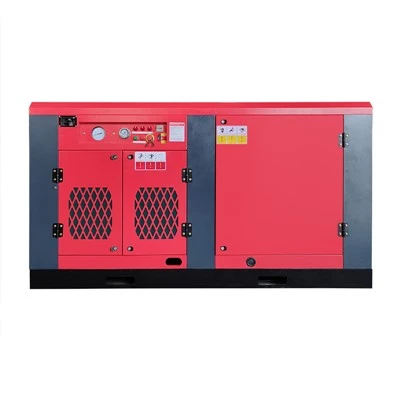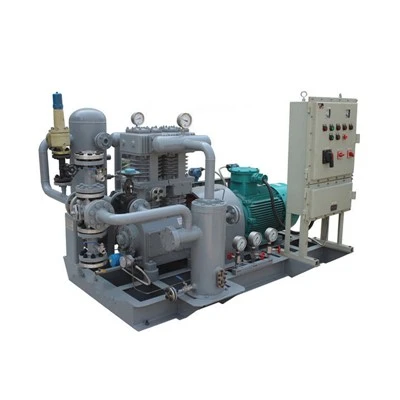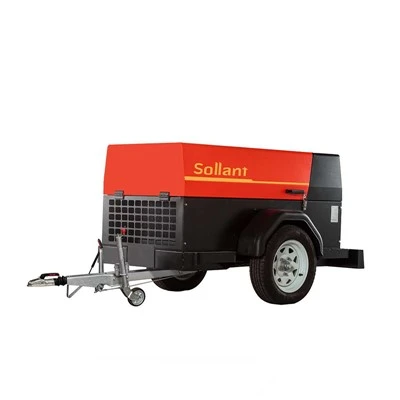
Hey there! As a supplier of high-pressure air compressors, I've spent a ton of time getting to know these machines inside out. In this blog, I'm gonna break down the main components of a high-pressure air compressor.
1. The Air Intake Filter
Let's start with the air intake filter. This little guy is super important. It's like the doorman of the compressor. Its job is to keep out all the dirt, dust, and other junk in the air. If you don't have a good filter, all that stuff can get into the compressor, causing damage and reducing its efficiency.
Think about it like this: if you're breathing in a bunch of polluted air, you're gonna get sick. The same goes for a compressor. A clogged or bad filter can make the compressor work harder, use more energy, and even break down faster. So, make sure to check and replace the air intake filter regularly.
2. The Compression Chamber
Next up is the compression chamber. This is where the magic happens. The air that comes in through the filter gets squeezed into a smaller space, which increases its pressure. There are different types of compression chambers, but the most common ones are piston and screw.
In a piston compression chamber, a piston moves up and down inside a cylinder. As it moves down, it sucks in air. Then, as it moves up, it compresses the air. It's like a pump. Screw compression chambers, on the other hand, use two interlocking screws to compress the air. They're a bit more complex but can be more efficient in some cases.
The compression chamber needs to be well-built and made of strong materials. It has to withstand the high pressure and heat generated during the compression process. If there are any leaks or weak spots in the chamber, the compressor won't work properly.
3. The Motor
The motor is the heart of the compressor. It provides the power needed to run the whole thing. There are different types of motors, such as electric and diesel. Electric motors are more common in smaller compressors and in places where electricity is easily available. They're quiet, clean, and easy to maintain.
Diesel motors, on the other hand, are often used in larger compressors or in areas where there's no access to electricity. They're more powerful but also louder and require more maintenance. The motor has to be the right size for the compressor. If it's too small, it won't be able to provide enough power. If it's too big, it'll waste energy.
4. The Cooling System
Compressing air generates a lot of heat. If the compressor gets too hot, it can damage the components and reduce its lifespan. That's where the cooling system comes in. There are two main types of cooling systems: air-cooled and water-cooled.
Air-cooled systems use fans to blow air over the compressor to cool it down. They're simple and easy to maintain, but they're not as efficient as water-cooled systems. Water-cooled systems use water to absorb the heat from the compressor. They're more complex and require a water source, but they can keep the compressor at a more stable temperature.
5. The Lubrication System
Most high-pressure air compressors need lubrication to keep the moving parts running smoothly. The lubrication system provides oil to the pistons, bearings, and other parts. It reduces friction, which helps to prevent wear and tear and also helps to cool the parts.
There are different types of lubrication systems. Some compressors use a full-lubrication system, where oil is circulated throughout the whole compressor. Others use a micro-lubrication system, which uses less oil. And there are even oil-free compressors, which don't use any oil at all.
If you're interested in different types of compressor systems, you can check out our Micro-oil Medium And High Pressure Compound Compressor System, Micro-lubricated Medium And High Pressure Compressor System, and Oil-free Medium And High Pressure Compressor System.
6. The Pressure Relief Valve
Safety is always a top priority when it comes to high-pressure air compressors. The pressure relief valve is an important safety feature. It's designed to open and release the pressure if it gets too high. This prevents the compressor from exploding or getting damaged.
The pressure relief valve needs to be set at the right pressure. If it's set too high, it won't open when it should, which can be dangerous. If it's set too low, it'll open too often, which can waste air and reduce the efficiency of the compressor.
7. The Air Receiver Tank
The air receiver tank is like a storage tank for the compressed air. It helps to smooth out the flow of air and reduces the load on the compressor. When the compressor is running, it fills the tank with compressed air. Then, when the air is needed, it can be taken from the tank.
The size of the air receiver tank depends on the size of the compressor and the amount of air that's needed. A larger tank can store more air, which means the compressor doesn't have to run as often. This can save energy and reduce wear and tear on the compressor.
8. The Control Panel
The control panel is where you can operate and monitor the compressor. It has buttons, switches, and gauges that let you start and stop the compressor, adjust the pressure, and check the status of the different components.
Modern control panels are often digital and can provide a lot of information about the compressor. They can show things like the pressure, temperature, and running time. Some control panels even have built-in diagnostic systems that can detect problems and alert you.


Why Choose Our High-Pressure Air Compressors
We're a supplier of high-pressure air compressors, and we take pride in our products. Our compressors are made with high-quality materials and the latest technology. We offer a wide range of compressors to meet different needs and budgets.
Whether you need a small compressor for a home workshop or a large one for an industrial application, we've got you covered. Our team of experts can help you choose the right compressor for your specific requirements. We also provide excellent after-sales service, including maintenance and repair.
If you're interested in purchasing a high-pressure air compressor, or if you have any questions, don't hesitate to get in touch with us. We're here to help you make the best decision for your business.
References
- Compressed Air and Gas Handbook, 4th Edition
- Industrial Compressor Handbook: Principles and Practice
So, that's a breakdown of the main components of a high-pressure air compressor. I hope this blog has been helpful. If you have any comments or questions, feel free to leave them below.