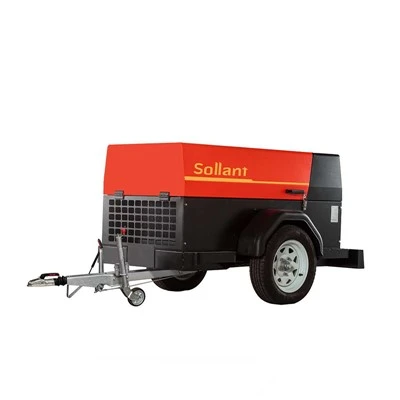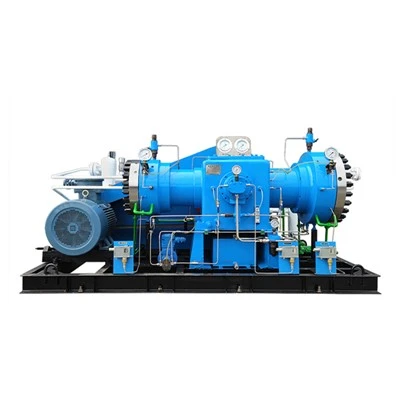
Hey there! I'm a supplier of Stationary Diesel Air Compressors, and today I'm gonna break down the key components of these bad boys. These compressors are super useful in a bunch of industries, from construction to manufacturing. So, let's dive right in and see what makes them tick.
Diesel Engine
The heart of a stationary diesel air compressor is, of course, the diesel engine. It's what provides the power needed to run the compressor. Diesel engines are known for their durability and fuel efficiency. They can handle heavy loads for long periods without breaking a sweat.
One of the great things about diesel engines is their torque. Torque is what allows the engine to start the compressor and keep it running smoothly, even when there's a high demand for compressed air. They also have a longer lifespan compared to gasoline engines, which means less downtime and more productivity for your business.
If you're interested in learning more about diesel-powered compressors, check out this Diesel Air Compressor page.
Compressor Pump
The compressor pump is where the magic happens. It's responsible for taking in air and compressing it to a higher pressure. There are different types of compressor pumps, but the most common ones used in stationary diesel air compressors are reciprocating and rotary screw pumps.
Reciprocating pumps use pistons to compress the air. They're simple in design and can be very effective for smaller applications. Rotary screw pumps, on the other hand, use two interlocking screws to compress the air. They're more efficient and can handle higher volumes of air, making them a great choice for larger industrial applications.
The choice between a reciprocating and a rotary screw pump depends on your specific needs. If you need a compressor for occasional use or a small workshop, a reciprocating pump might be the way to go. But if you have a large factory or a continuous demand for compressed air, a rotary screw pump is probably a better option.
Air Receiver Tank
The air receiver tank is like a storage unit for the compressed air. It helps to smooth out the flow of air and reduces the load on the compressor pump. When the compressor pump is running, it fills the tank with compressed air. When the air is needed, it can be drawn from the tank, which helps to maintain a consistent pressure.
The size of the air receiver tank is important. A larger tank can store more compressed air, which means the compressor doesn't have to run as often. This can save energy and reduce wear and tear on the compressor. However, a larger tank also takes up more space, so you need to consider your available space when choosing a tank size.
Cooling System
Diesel engines and compressor pumps generate a lot of heat when they're running. That's why a cooling system is essential. The cooling system helps to keep the engine and the pump at a safe operating temperature.
There are two main types of cooling systems: air-cooled and water-cooled. Air-cooled systems use fans to blow air over the engine and the pump to dissipate the heat. They're simple and relatively inexpensive, but they're not as efficient as water-cooled systems.
Water-cooled systems use a radiator and a water pump to circulate coolant around the engine and the pump. The coolant absorbs the heat and then releases it through the radiator. Water-cooled systems are more efficient and can handle higher heat loads, but they're also more complex and expensive.

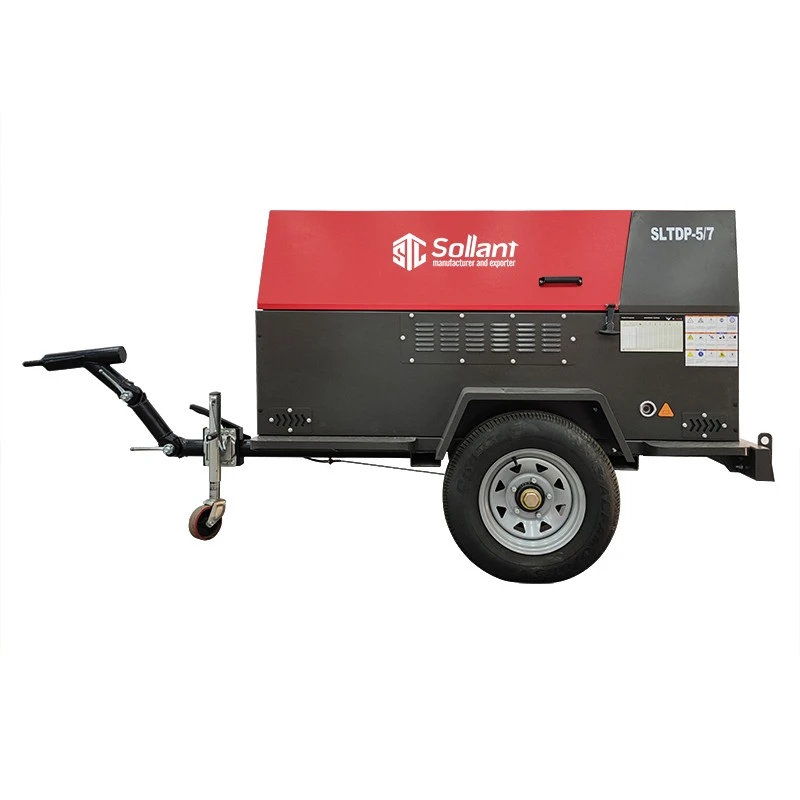
Control Panel
The control panel is the brain of the stationary diesel air compressor. It allows you to monitor and control the operation of the compressor. You can set the pressure levels, start and stop the compressor, and check the status of various components.
Modern control panels are often equipped with digital displays and sensors that provide real-time information about the compressor's performance. Some control panels even have remote monitoring capabilities, which means you can keep an eye on the compressor from anywhere using your smartphone or computer.
Filters
Filters are an important part of any air compressor system. They help to remove contaminants from the air before it enters the compressor pump. This helps to protect the pump and other components from damage and ensures that the compressed air is clean and free of impurities.
There are different types of filters used in stationary diesel air compressors, including air filters, oil filters, and fuel filters. Air filters remove dust, dirt, and other particles from the intake air. Oil filters remove contaminants from the lubricating oil, which helps to keep the engine and the pump running smoothly. Fuel filters remove impurities from the diesel fuel, which helps to prevent engine problems.
Lubrication System
A lubrication system is essential for the proper operation of the compressor pump and the diesel engine. It helps to reduce friction between moving parts, which extends the lifespan of the components and improves efficiency.
The lubrication system typically consists of an oil pump, an oil filter, and an oil reservoir. The oil pump circulates the lubricating oil through the engine and the pump, and the oil filter removes contaminants from the oil. The oil reservoir stores the oil and provides a constant supply of lubrication.
Exhaust System
The exhaust system is responsible for removing the exhaust gases produced by the diesel engine. It helps to reduce noise and emissions and ensures that the compressor operates safely and efficiently.
The exhaust system typically consists of an exhaust manifold, a muffler, and an exhaust pipe. The exhaust manifold collects the exhaust gases from the engine cylinders and directs them to the muffler. The muffler reduces the noise produced by the exhaust gases, and the exhaust pipe discharges the gases into the atmosphere.
Maintenance and Service
Like any piece of equipment, stationary diesel air compressors require regular maintenance and service to keep them running smoothly. This includes changing the oil and filters, checking the belts and hoses, and inspecting the various components for wear and tear.
Regular maintenance not only helps to prevent breakdowns but also extends the lifespan of the compressor. It's important to follow the manufacturer's recommended maintenance schedule and use high-quality parts and lubricants.
If you're in the market for a Stationary Diesel Air Compressor, or if you're just looking for more information, feel free to reach out. We're here to help you find the right compressor for your needs and provide you with the support and service you deserve.
We also offer Stationary Electric Air Compressors if diesel isn't the right fit for you. These compressors are a great option for indoor use or applications where electricity is readily available.
So, if you're interested in learning more or discussing your specific requirements, don't hesitate to get in touch. We're always happy to have a chat and help you make the best decision for your business.
References
- Compressed Air and Gas Institute (CAGI). (2023). Compressed Air Handbook.
- Diesel Technology Forum. (2023). Diesel Engines: The Workhorses of Industry.
- Quincy Compressor. (2023). Air Compressor Maintenance Guide.