Hey there! As a supplier of oxygen compressors, I've been in the thick of the gas compressor industry for quite some time. While oxygen compressors are super useful in many applications, they're not without their drawbacks. In this blog, I'll spill the beans on the disadvantages of using an oxygen compressor.
1. Safety Risks
One of the biggest headaches with oxygen compressors is safety. Oxygen is an extremely reactive gas. When it comes into contact with combustible materials under high pressure, it can lead to some seriously dangerous situations, like fires or even explosions.
The compression process in an oxygen compressor raises the temperature and pressure of the gas. If there are any contaminants, such as oil or grease, in the compressor system, they can react violently with the oxygen. Even a tiny spark can set off a chain - reaction. This means that the maintenance and operation of oxygen compressors need to be done with extreme care. Special cleaning procedures are required to ensure that no flammable substances are present in the compressor.
For example, in industrial settings where oxygen compressors are used for metal cutting or welding, any negligence in safety protocols can have catastrophic consequences. Workers need to be trained thoroughly on how to handle these compressors safely. And let's not forget about the strict regulations that govern the use of oxygen compressors. These regulations add an extra layer of complexity to the operation and can increase the cost of compliance.
2. High Maintenance Requirements
Oxygen compressors demand a lot of TLC. The parts of an oxygen compressor are constantly exposed to high - pressure oxygen, which can cause corrosion and wear over time. The seals, valves, and pistons are particularly vulnerable.
Corrosion can lead to leaks, which not only waste oxygen but also pose a safety risk. Regular inspections are necessary to catch any signs of corrosion or wear early on. Replacement parts need to be of high quality and specifically designed for use with oxygen. This can be quite expensive, especially if you're running a large - scale operation.
Moreover, the lubrication system in an oxygen compressor is a tricky thing. You can't use regular lubricants because they can react with oxygen. Special oxygen - compatible lubricants are required, and these are often more expensive than standard lubricants. The frequency of lubricant changes and system flushing also adds to the maintenance workload.
3. Costly Initial Investment
Buying an oxygen compressor is not cheap. The technology required to compress oxygen safely and efficiently is complex, and this drives up the cost. You're not just paying for the compressor itself; you also need to factor in the cost of installation, which may involve specialized equipment and expertise.
In addition, you might need to invest in safety features such as explosion - proof enclosures, monitoring systems, and emergency shutdown devices. These additional safety measures can significantly increase the overall cost of setting up an oxygen compressor system.
If you're a small business or a startup, this high initial investment can be a major barrier. You might have to take out a loan or look for alternative financing options, which can add financial stress in the long run.
4. Limited Compression Ratio
Oxygen compressors usually have a limited compression ratio compared to some other types of Gas Compressor. The compression ratio is the ratio of the discharge pressure to the suction pressure. A lower compression ratio means that you may need multiple stages of compression to achieve the desired high - pressure output.
This multi - stage compression adds complexity to the system. More stages mean more components, which in turn means more potential points of failure. It also increases the energy consumption of the compressor, as each stage requires power to operate.
For applications that require very high - pressure oxygen, the limitations of the compression ratio can be a real pain. You may need to invest in additional compressors or a more complex compression system to meet your requirements.
5. Energy Consumption
Oxygen compressors are energy hogs. The process of compressing oxygen requires a significant amount of power. As I mentioned earlier, multi - stage compression further increases the energy consumption.
High energy consumption not only means higher electricity bills but also has an environmental impact. In today's world, where there's a growing emphasis on sustainability, the high energy usage of oxygen compressors can be a drawback for companies looking to reduce their carbon footprint.
Some companies may try to offset the energy costs by using more energy - efficient compressors or implementing energy - saving measures. However, these solutions often come with their own costs, such as the initial investment in new equipment or the cost of retrofitting existing systems.
6. Noise Pollution
Oxygen compressors can be really noisy. The mechanical operation of the compressor, including the movement of pistons, valves, and motors, generates a lot of noise. In an industrial setting, this noise can be a nuisance for workers and may even lead to hearing problems if proper hearing protection is not provided.
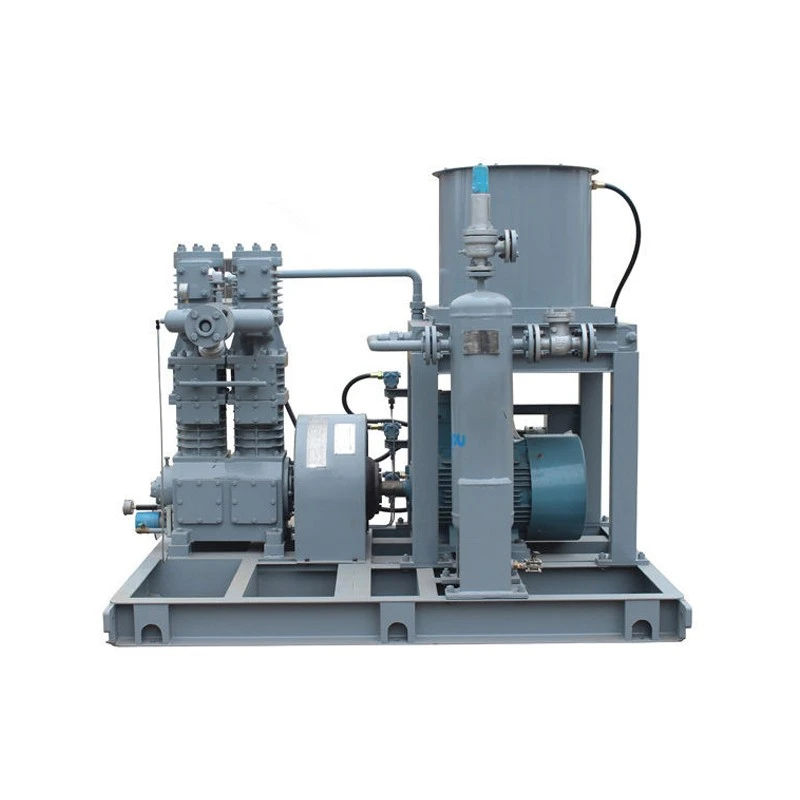

Noise pollution can also be an issue in areas where the compressor is located near residential areas or other noise - sensitive locations. You may need to invest in sound - proofing measures to reduce the noise level, which adds to the overall cost of operating the compressor.
7. Compatibility Issues
Oxygen compressors need to be compatible with the rest of the system in which they're used. This includes the piping, valves, and other equipment. Any compatibility issues can lead to leaks, reduced efficiency, or even safety hazards.
For example, if the piping material is not compatible with oxygen under high pressure, it can corrode or develop cracks. This can result in oxygen leaks, which are not only wasteful but also dangerous. Ensuring compatibility requires careful selection of materials and components, and this can be a challenge, especially when dealing with complex systems.
8. Limited Availability of Spare Parts
Finding spare parts for oxygen compressors can be a hassle. Since these compressors are specialized equipment, the number of suppliers for spare parts may be limited. This can lead to longer lead times for getting replacement parts, which can be a big problem if your compressor breaks down.
In some cases, you may have to order parts from overseas, which adds to the cost and the waiting time. This can disrupt your operations and cause delays in production, especially if you rely heavily on the oxygen compressor for your business.
Despite all these disadvantages, oxygen compressors are still essential in many industries. They play a crucial role in medical applications, metalworking, and chemical processes. If you're in the market for an oxygen compressor, it's important to weigh the pros and cons carefully.
If you're considering other types of compressors, you might want to check out Nitrogen Compressor or Ammonia Compressor. These compressors have their own unique features and applications.
If you have any questions about oxygen compressors or are interested in purchasing one, don't hesitate to reach out. We're here to help you find the right solution for your needs and can provide you with more detailed information about our products.
References
- Gas Compression Handbook: Principles and Practices, by Roland K. Miller
- Industrial Gas Compression: Theory and Practice, by Thomas E. Schultz