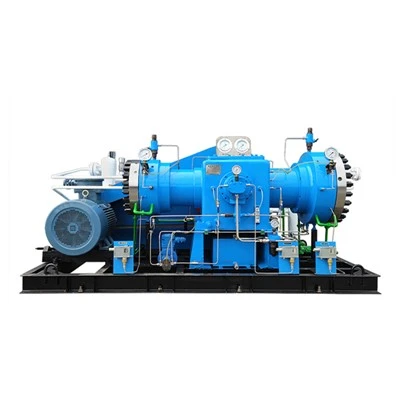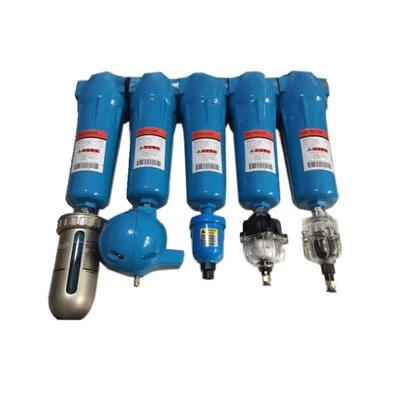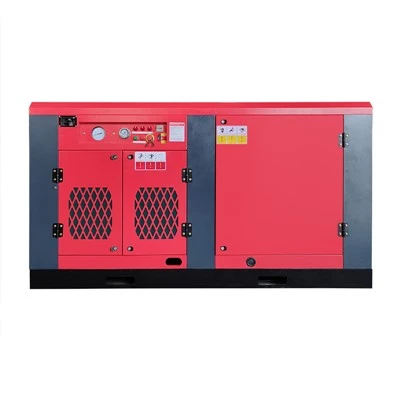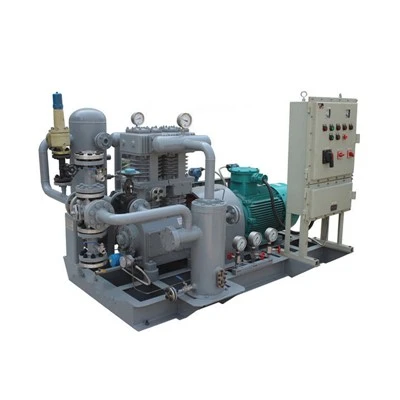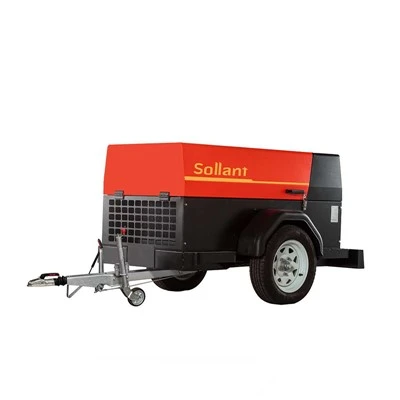
Hey there! As a supplier of Oil Free Scroll Air Compressors, I've seen my fair share of issues, and one of the most common problems is a leaking compressor. In this blog, I'll walk you through how to repair a leaking oil-free scroll air compressor.
Understanding the Basics of an Oil Free Scroll Air Compressor
First off, let's quickly go over what an oil-free scroll air compressor is. It's a type of compressor that uses two interleaving scrolls to compress air. One scroll is fixed, and the other orbits around it, trapping and compressing the air. Since it's oil-free, it's a great choice for applications where oil contamination is a concern, like in the food and beverage industry or in medical settings.
Identifying the Source of the Leak
The first step in fixing a leak is to figure out where it's coming from. There are a few common places where leaks can occur:
- Seals and Gaskets: Over time, the seals and gaskets in the compressor can wear out or become damaged. This can cause air or coolant to leak out.
- Hoses and Tubing: The hoses and tubing that connect different parts of the compressor can also develop leaks. Look for cracks, holes, or loose connections.
- Compressor Housing: Sometimes, the compressor housing itself can crack or develop a leak. This is less common but can be a more serious issue.
To find the source of the leak, you can use a few different methods:
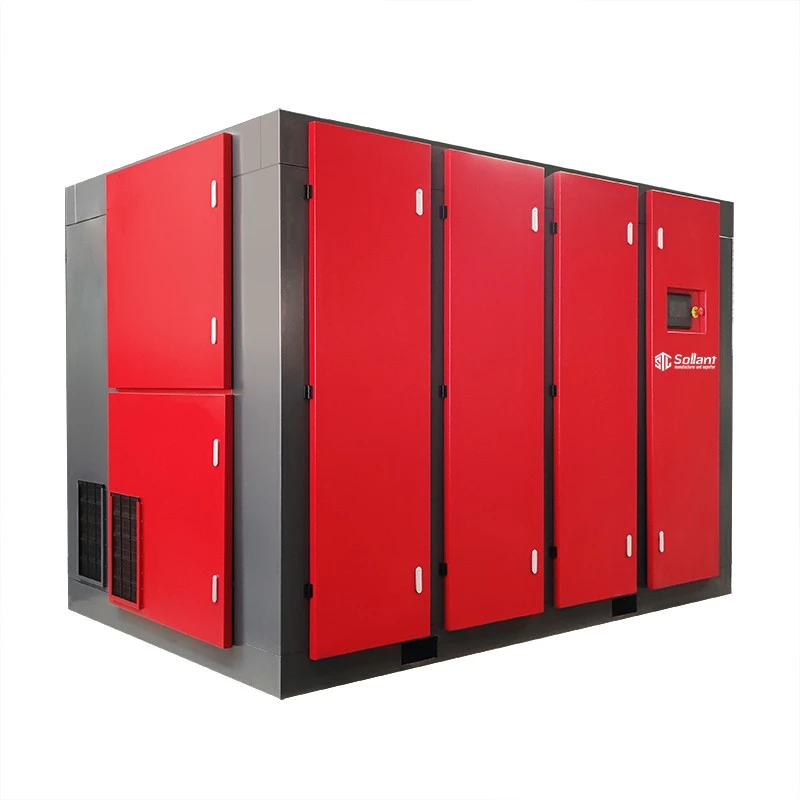
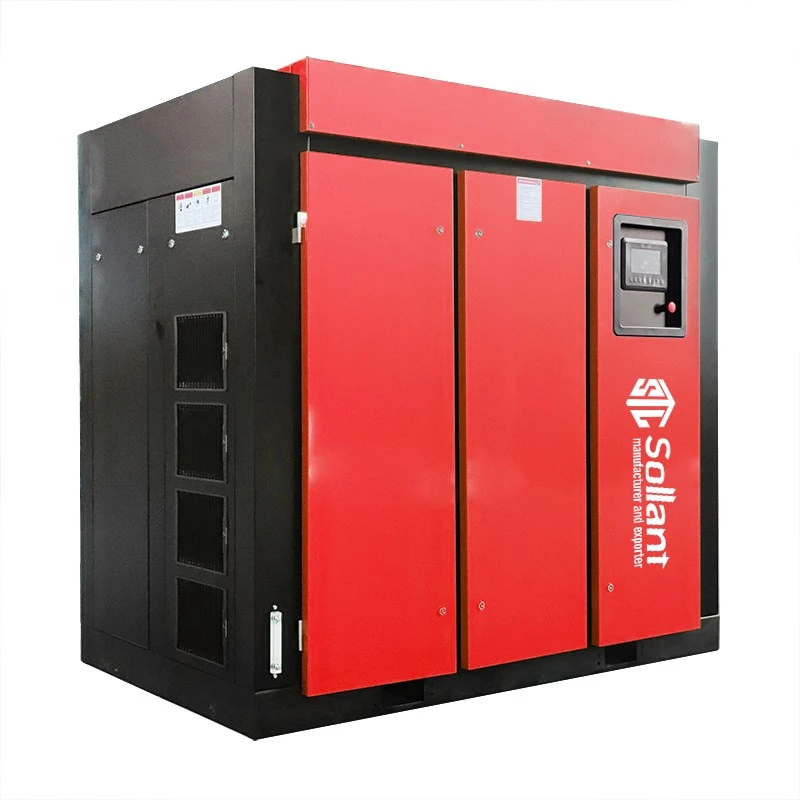
- Visual Inspection: Start by looking for any obvious signs of a leak, like wet spots, oil stains, or hissing sounds. Check all the seals, gaskets, hoses, and tubing for damage.
- Soap and Water Test: Mix some soap and water in a spray bottle and spray it on the areas where you suspect a leak. If there's a leak, you'll see bubbles forming.
- Pressure Test: You can also use a pressure test kit to check for leaks. This involves pressurizing the compressor and looking for any drops in pressure.
Repairing the Leak
Once you've identified the source of the leak, it's time to start repairing it. Here's a step-by-step guide on how to repair some of the most common types of leaks:
Seals and Gaskets
- Remove the Old Seal or Gasket: Use a flathead screwdriver or a seal removal tool to carefully remove the old seal or gasket. Be careful not to damage the surrounding parts.
- Clean the Surface: Use a clean cloth and some solvent to clean the surface where the seal or gasket was. Make sure there's no dirt, oil, or debris left behind.
- Install the New Seal or Gasket: Apply a thin layer of sealant to the new seal or gasket and carefully install it in place. Make sure it's seated properly and there are no gaps.
- Tighten the Bolts or Clamps: If the seal or gasket is held in place by bolts or clamps, make sure they're tightened to the correct torque specification.
Hoses and Tubing
- Cut Out the Damaged Section: Use a pair of scissors or a hose cutter to cut out the damaged section of the hose or tubing. Make sure you cut it straight and clean.
- Install a New Section of Hose or Tubing: Measure the length of the section you cut out and cut a new section of hose or tubing to the same length. Slide the new section onto the fittings and secure it with hose clamps.
- Check the Connection: Make sure the new section of hose or tubing is properly connected and there are no leaks. You can use the soap and water test to check for leaks.
Compressor Housing
- Assess the Damage: If the compressor housing is cracked or damaged, you'll need to assess the extent of the damage. If it's a small crack, you may be able to repair it using a sealant or epoxy. If the damage is more severe, you may need to replace the compressor housing.
- Repair the Crack: If you're going to repair the crack, clean the area around the crack and apply the sealant or epoxy according to the manufacturer's instructions. Let it dry completely before using the compressor.
- Replace the Compressor Housing: If the damage is too severe to repair, you'll need to replace the compressor housing. This is a more complex repair and may require some technical knowledge and tools. It's best to consult a professional if you're not comfortable doing this yourself.
Preventing Future Leaks
Once you've repaired the leak, it's important to take steps to prevent future leaks from occurring. Here are some tips:
- Regular Maintenance: Follow the manufacturer's recommended maintenance schedule for your compressor. This includes changing the oil, filters, and coolant, as well as inspecting the seals, gaskets, hoses, and tubing for damage.
- Proper Installation: Make sure the compressor is installed correctly and all the connections are tight. Follow the installation instructions carefully.
- Use High-Quality Parts: When replacing parts in the compressor, use high-quality parts that are designed for your specific compressor model. This will help ensure that the parts fit properly and last longer.
- Monitor the Compressor: Keep an eye on the compressor's performance and look for any signs of a problem, like unusual noises, vibrations, or drops in pressure. If you notice anything abnormal, stop using the compressor and have it inspected by a professional.
Conclusion
Repairing a leaking oil-free scroll air compressor can be a challenging but rewarding task. By following the steps outlined in this blog, you should be able to identify the source of the leak and repair it yourself. Remember to take steps to prevent future leaks from occurring by following the manufacturer's recommended maintenance schedule and using high-quality parts.
If you're in the market for a new Dry Oil Free Air Compressor, Oil Free Screw Blower, or Oil free Air Compressor, we're here to help. We offer a wide range of high-quality oil-free air compressors and related products. If you have any questions or would like to discuss your specific needs, feel free to reach out to us for a procurement consultation.
References
- Compressor Handbook, various editions
- Manufacturer's manuals for oil-free scroll air compressors