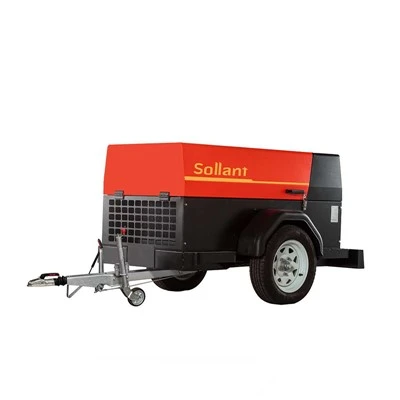
Hey there! As a supplier of oxygen compressors, I've seen firsthand how crucial it is to keep these machines in top - notch condition. Oxygen compressors are used in a wide range of industries, from medical facilities to industrial manufacturing. So, let's dive into how you can maintain an oxygen compressor effectively.
Regular Inspections
First off, regular inspections are a must. You should check your oxygen compressor at least once a month, or more frequently if it's used in a high - demand environment. Start by looking at the exterior of the compressor. Check for any signs of damage, like dents, scratches, or leaks. Even a small leak can be a big problem when dealing with oxygen, as it's highly reactive.
Next, take a look at the hoses and connections. Make sure they're all tight and there are no signs of wear or cracking. Loose connections can lead to pressure drops and inefficiencies. You can use a simple soap - and - water solution to check for leaks. Just apply it to the connections and look for bubbles. If you see bubbles, you've got a leak that needs to be fixed right away.
Filter Maintenance
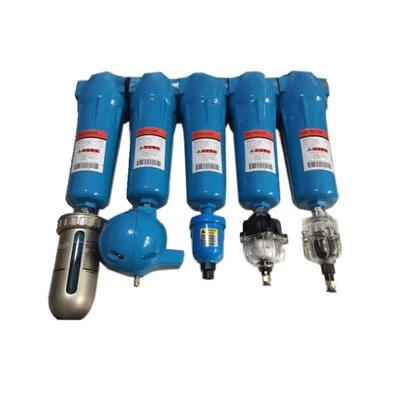
Filters play a huge role in the performance of an oxygen compressor. They keep dirt, dust, and other contaminants out of the system, preventing damage to the compressor components. You should replace the air intake filters regularly. How often? Well, it depends on the operating environment. If the compressor is in a dusty area, you might need to replace the filters every 3 - 6 months. In a cleaner environment, once a year could be sufficient.
When replacing the filters, make sure you use the right type. Using the wrong filter can reduce the efficiency of the compressor and even cause damage. You can usually find the recommended filter type in the compressor's user manual.
Lubrication
If your oxygen compressor has moving parts that require lubrication, it's important to use the right lubricant. Oxygen is highly reactive, so you can't just use any old oil. You need a lubricant that's specifically designed for oxygen service. This type of lubricant is non - flammable and won't react with oxygen.
Check the lubricant level regularly. If it's low, add more according to the manufacturer's instructions. Over - lubricating can be just as bad as under - lubricating, so make sure you get the amount right.
Cooling System
Oxygen compressors generate a lot of heat during operation. That's why a proper cooling system is essential. If your compressor has a water - cooled system, check the water level and the flow rate regularly. Make sure there are no blockages in the cooling lines. A blocked cooling line can cause the compressor to overheat, which can lead to serious damage.
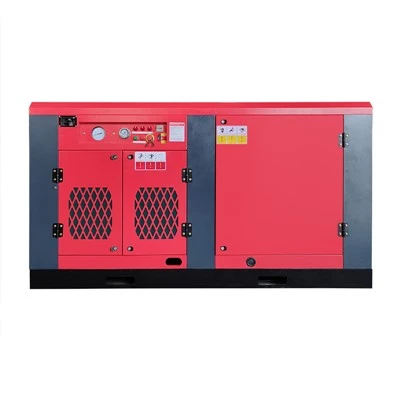
For air - cooled compressors, clean the cooling fins regularly. Dust and debris can accumulate on the fins, reducing their ability to dissipate heat. You can use a soft brush or compressed air to clean the fins.
Valve Maintenance
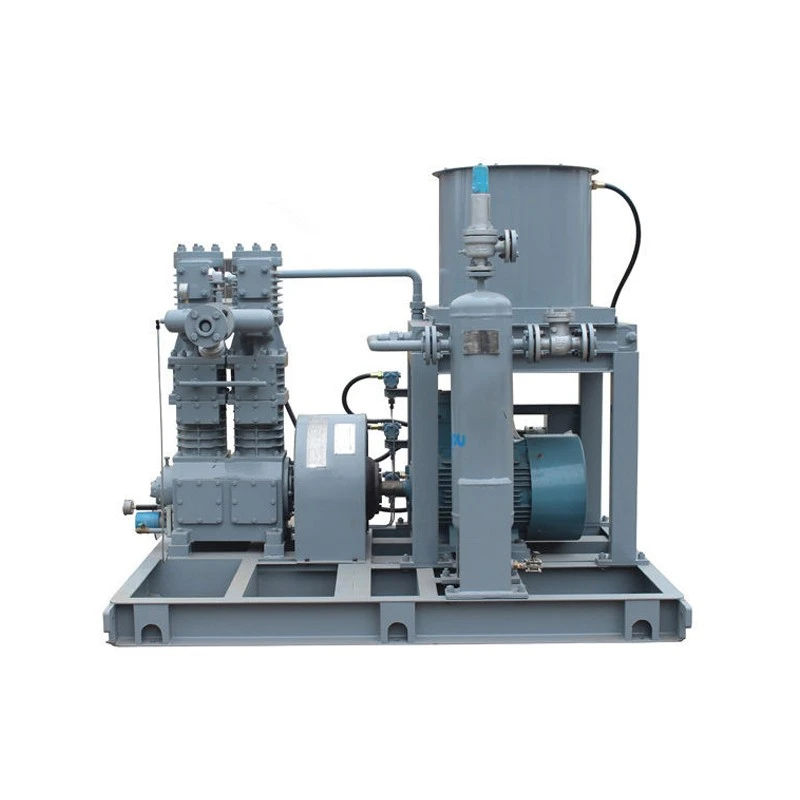
The valves in an oxygen compressor are critical for its operation. They control the flow of oxygen in and out of the compressor. Over time, valves can wear out or get clogged. You should inspect the valves periodically for signs of wear, like pitting or scoring. If you notice any issues, replace the valves as soon as possible.

Electrical Components
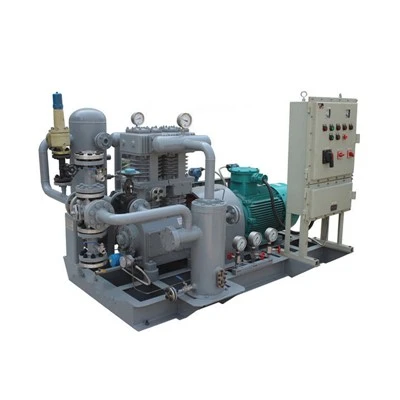
If your oxygen compressor is electrically powered, the electrical components need attention too. Check the wiring for any signs of damage, like fraying or loose connections. Make sure the electrical panel is clean and free of dust. Over time, dust can accumulate in the panel and cause electrical problems.
Training and Documentation
It's also important to train your staff on how to operate and maintain the oxygen compressor properly. Make sure they understand the safety procedures and the importance of regular maintenance. Keep detailed records of all maintenance activities, including inspections, filter replacements, and repairs. This documentation can be useful for troubleshooting and for ensuring that the compressor is being maintained according to the manufacturer's recommendations.
Comparing with Other Compressors
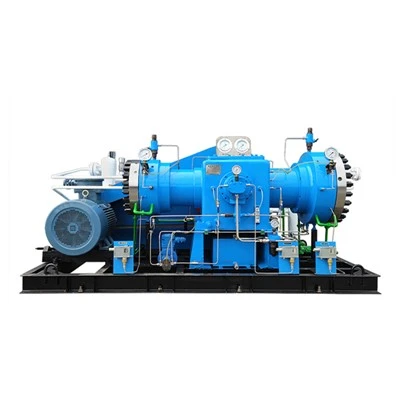
Now, let's talk a bit about how oxygen compressors compare to other types of compressors. For example, Diaphragm Compressor is another type of compressor that's often used in various industries. Diaphragm compressors are known for their high - pressure capabilities and their ability to handle sensitive gases. They work differently from oxygen compressors, but they also require regular maintenance, like checking the diaphragms for leaks and replacing them when necessary.
Nitrogen Compressor is used to compress nitrogen gas. Nitrogen is an inert gas, so the safety requirements for nitrogen compressors are different from those for oxygen compressors. However, many of the maintenance principles, like filter replacement and lubrication, are similar.
Ammonia Compressor is used in refrigeration and other industrial applications. Ammonia is a toxic gas, so the safety and maintenance requirements for ammonia compressors are very strict. They need to be inspected more frequently to prevent leaks and ensure proper operation.
Conclusion
Maintaining an oxygen compressor is a complex but necessary task. By following these maintenance tips, you can ensure that your compressor operates efficiently, safely, and has a long service life. If you're in the market for a new oxygen compressor or need help with maintenance, don't hesitate to reach out. We're here to provide you with the best products and support. Whether you're a small medical clinic or a large industrial facility, we've got the expertise to meet your needs. Contact us today to start a conversation about your oxygen compressor requirements and let's work together to keep your operations running smoothly.
References
- Manufacturer's user manuals for oxygen compressors
- Industry standards for oxygen compressor maintenance
- Technical papers on gas compressor maintenance