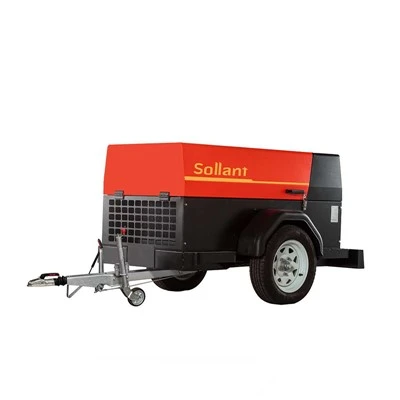
Hey there! As a supplier of Portable Electric Air Compressors, I know firsthand how annoying the noise from these machines can be. Whether you're using it in a small workshop, at a construction site, or even at home for DIY projects, that constant humming and rattling can really get on your nerves. But don't worry, I've got some tips and tricks to help you reduce that noise and make your work environment a whole lot more bearable.
Understanding the Sources of Noise
Before we dive into the solutions, let's take a quick look at what causes the noise in the first place. Portable electric air compressors generate noise from several sources:
- Motor: The electric motor is one of the main culprits. As it spins, it creates vibrations and mechanical noise. The speed and power of the motor can also affect the level of noise it produces.
- Compression Process: When the air is compressed inside the compressor, it creates pressure waves that result in noise. The type of compression mechanism, such as reciprocating or rotary, can influence the noise level.
- Cooling Fans: Most compressors have cooling fans to prevent overheating. These fans can generate a significant amount of noise as they spin at high speeds.
- Air Intake and Exhaust: The intake and exhaust of air can also create noise, especially if the airflow is restricted or turbulent.
Tips to Reduce Noise
Now that we know what's causing the noise, let's explore some ways to reduce it:
1. Choose a Quiet Compressor
The first step is to select a compressor that is designed to be quiet. When shopping for a Portable Electric Air Compressor, look for models that are specifically labeled as "quiet" or "low-noise." These compressors often have features such as sound-dampening materials, insulated enclosures, and advanced motor designs to reduce noise.
2. Place the Compressor on a Stable Surface
Vibrations can amplify the noise produced by the compressor. To minimize vibrations, place the compressor on a stable, level surface. You can also use rubber pads or anti-vibration mounts to further reduce the transfer of vibrations to the floor or surrounding objects.
3. Use a Sound Enclosure
A sound enclosure is a great way to reduce the noise emitted by the compressor. You can purchase a pre-made enclosure or build one yourself using soundproofing materials such as acoustic panels, fiberglass insulation, or mass-loaded vinyl. Make sure the enclosure has proper ventilation to prevent overheating.
4. Install a Muffler
A muffler can help reduce the noise from the air intake and exhaust. You can purchase a muffler specifically designed for air compressors or make one yourself using PVC pipes and sound-absorbing materials.

5. Keep the Compressor Clean and Well-Maintained
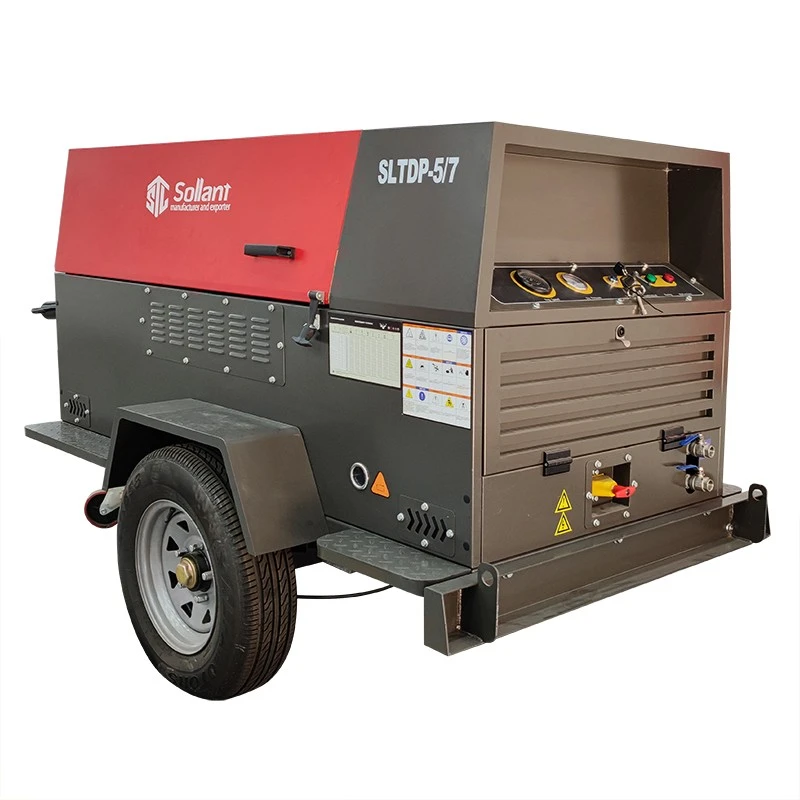
A dirty or poorly maintained compressor can produce more noise than a clean and well-maintained one. Regularly clean the air filter, check the oil level, and tighten any loose bolts or connections. This will not only reduce noise but also extend the lifespan of the compressor.
6. Use Flexible Hoses
Rigid hoses can transmit vibrations and noise from the compressor to the tools or equipment you're using. Using flexible hoses can help reduce this transmission and make the overall operation quieter.
7. Isolate the Compressor from the Work Area
If possible, place the compressor in a separate room or area away from where you're working. This will help reduce the amount of noise that reaches your ears. You can also use partitions or curtains to further isolate the compressor.
8. Schedule Your Work for Quieter Times
If the noise from the compressor is a problem for others, try to schedule your work for times when it won't be as disruptive. For example, you can work during the day when most people are out or in the evening when the ambient noise level is lower.
Comparing with Other Types of Compressors
It's worth noting that different types of compressors have different noise levels. For example, Diesel Air Compressors are generally louder than electric compressors due to the combustion engine. On the other hand, Stationary Electric Air Compressors are often quieter than portable ones because they are usually larger and have more advanced noise-reducing features.
Conclusion
Reducing the noise of a portable electric air compressor is not only important for your comfort but also for the well-being of those around you. By following the tips and tricks outlined in this blog, you can significantly reduce the noise level and make your work environment a more pleasant place to be.
If you're in the market for a portable electric air compressor or have any questions about noise reduction, feel free to reach out to us. We're here to help you find the right compressor for your needs and provide you with the support and advice you need to keep it running smoothly. Contact us today to start the conversation!
References
- Compressor Manufacturer's Manuals
- Online Resources on Air Compressor Noise Reduction