Can an air compressor inline filter be used in high - temperature applications?
Hey there! I'm a supplier of Air Compressor Inline Filter, and I often get asked if our inline filters can be used in high - temperature applications. So, let's dive right into it and explore this topic.
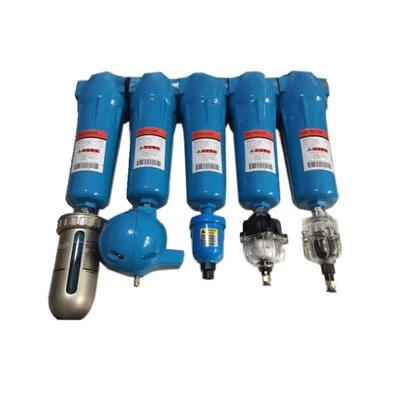
First off, let's understand what an air compressor inline filter does. An inline filter is a crucial component in an air compressor system. Its main job is to remove contaminants such as dust, dirt, oil, and water from the compressed air. This clean air is essential for many industrial processes, as contaminated air can cause damage to equipment, affect product quality, and even pose safety risks.
Now, when it comes to high - temperature applications, things get a bit tricky. High temperatures can have a significant impact on the performance and lifespan of an air compressor inline filter. Most standard inline filters are designed to work within a certain temperature range, usually around 0 - 60 degrees Celsius (32 - 140 degrees Fahrenheit). When the temperature goes beyond this range, several problems can occur.
One of the main issues is the degradation of the filter media. The filter media is the part of the filter that actually traps the contaminants. In high - temperature environments, the filter media can start to break down. This can lead to a decrease in filtration efficiency, meaning that the filter won't be able to remove as many contaminants from the compressed air as it should. As a result, the quality of the compressed air will deteriorate, which can cause problems for the equipment and processes that rely on it.
Another problem is the expansion and contraction of the filter housing. The filter housing is the outer casing that holds the filter media. When exposed to high temperatures, the housing can expand. If the temperature then drops suddenly, the housing will contract. This repeated expansion and contraction can cause stress on the housing, leading to cracks or leaks. A damaged housing can allow unfiltered air to bypass the filter, again reducing the effectiveness of the filtration system.
So, does this mean that an air compressor inline filter can't be used in high - temperature applications? Not necessarily. At our company, we've developed specialized inline filters that are designed to withstand high temperatures. These filters use advanced filter media that can handle temperatures well above the standard range. For example, some of our high - temperature filters can operate at temperatures up to 120 degrees Celsius (248 degrees Fahrenheit) without significant degradation.
In addition to the filter media, we also pay close attention to the design of the filter housing. Our high - temperature filters have housings made from materials that have a high coefficient of thermal expansion, which means they can expand and contract without cracking or leaking. This ensures that the filter remains intact and continues to function properly even in extreme temperature conditions.
But it's not just about the filter itself. When using an air compressor inline filter in high - temperature applications, it's also important to consider the overall system design. For instance, you might need to install a Refrigerated Air Dryer Manufacturer upstream of the filter. A refrigerated air dryer can cool down the compressed air before it reaches the filter, reducing the temperature and extending the life of the filter.
Another option is to use an Adsorption Air Dryer. Adsorption air dryers work by using a desiccant material to remove moisture from the compressed air. They can also help to reduce the temperature of the air to some extent, which can be beneficial for the inline filter.
When it comes to maintenance, high - temperature applications require a bit more attention. You'll need to monitor the filter more closely to ensure that it's still working effectively. This might involve checking the pressure drop across the filter regularly. A significant increase in the pressure drop can indicate that the filter is clogged or that the filter media is starting to degrade.
You'll also need to replace the filter more frequently than you would in a normal - temperature application. The high temperatures can cause the filter to accumulate contaminants more quickly, and the degradation of the filter media means that it won't last as long.
In conclusion, while standard air compressor inline filters may not be suitable for high - temperature applications, there are specialized filters available that can handle these conditions. At our company, we're committed to providing high - quality inline filters that can meet the needs of even the most demanding industrial environments. Whether you're dealing with high temperatures, high humidity, or other challenging conditions, we have a solution for you.
If you're interested in learning more about our air compressor inline filters or have any questions about using them in high - temperature applications, don't hesitate to get in touch. We're here to help you find the right filter for your specific needs and ensure that your air compressor system runs smoothly and efficiently. Let's start a conversation and see how we can work together to solve your filtration challenges.

References
- Compressed Air Handbook, various editions
- Industrial Filtration Standards and Guidelines, relevant industry publications